Residents of four blocks in Chisinau will pay up to 30% less for heating thanks to EU support for Moldova's energy transition
- 1546 reads


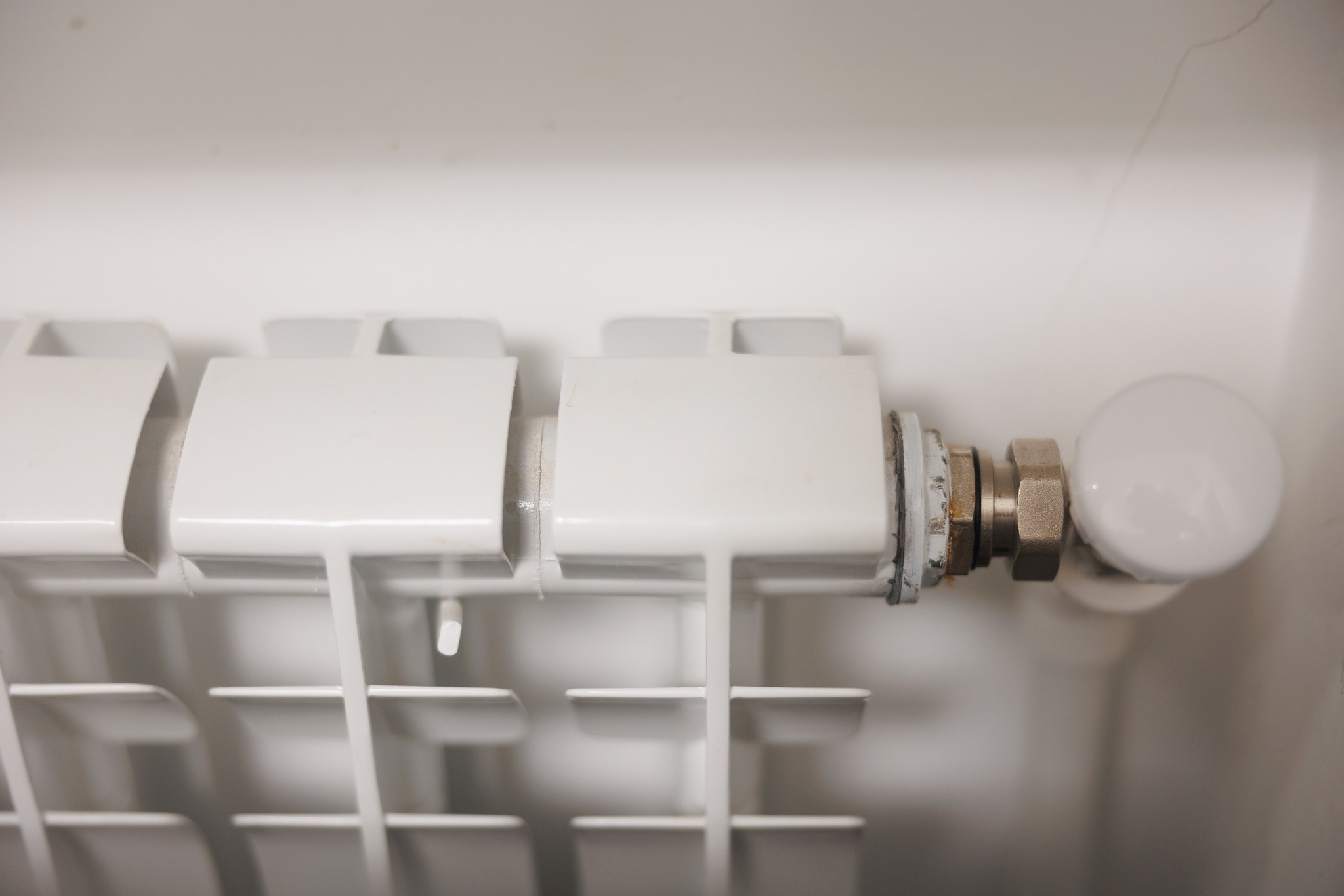
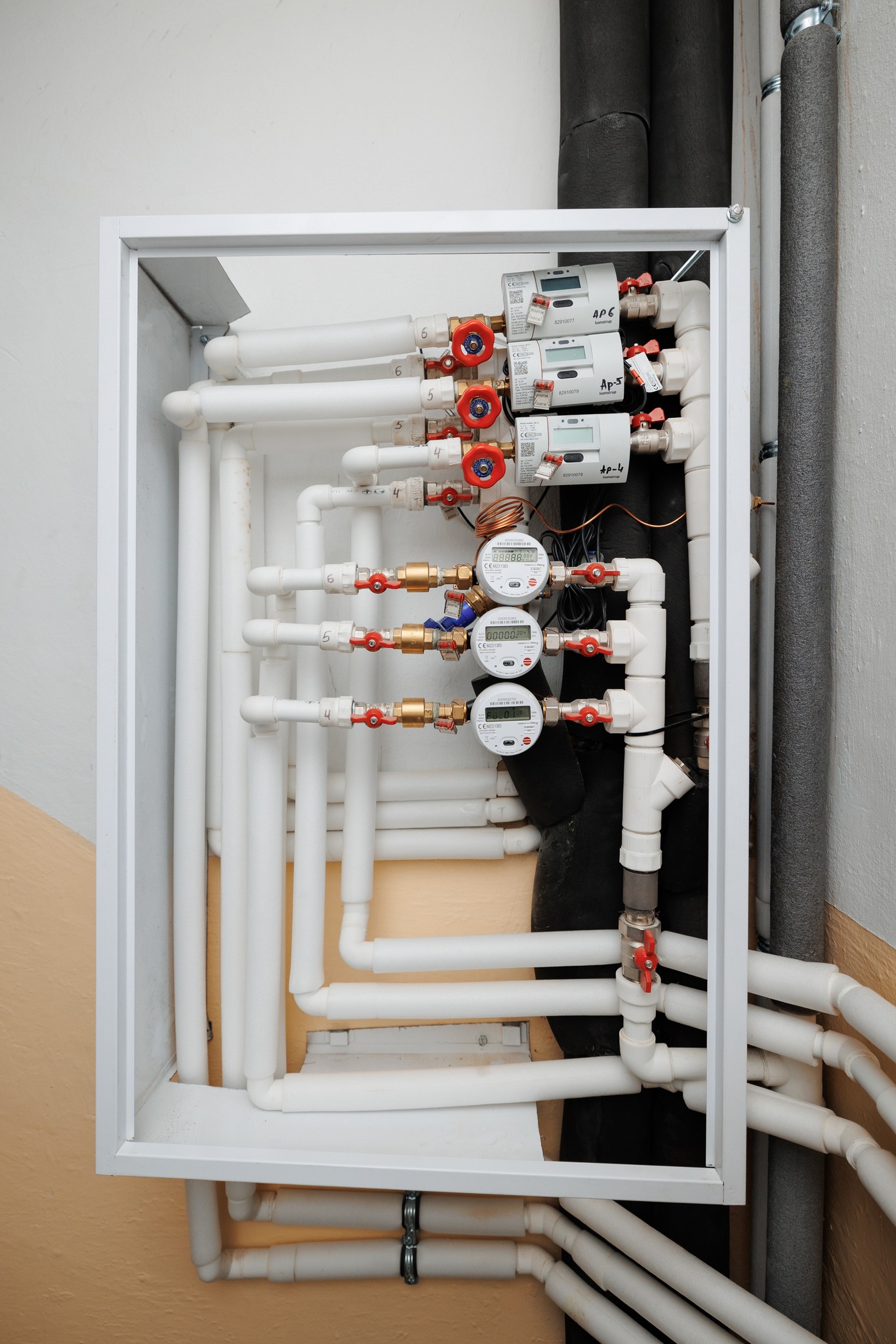
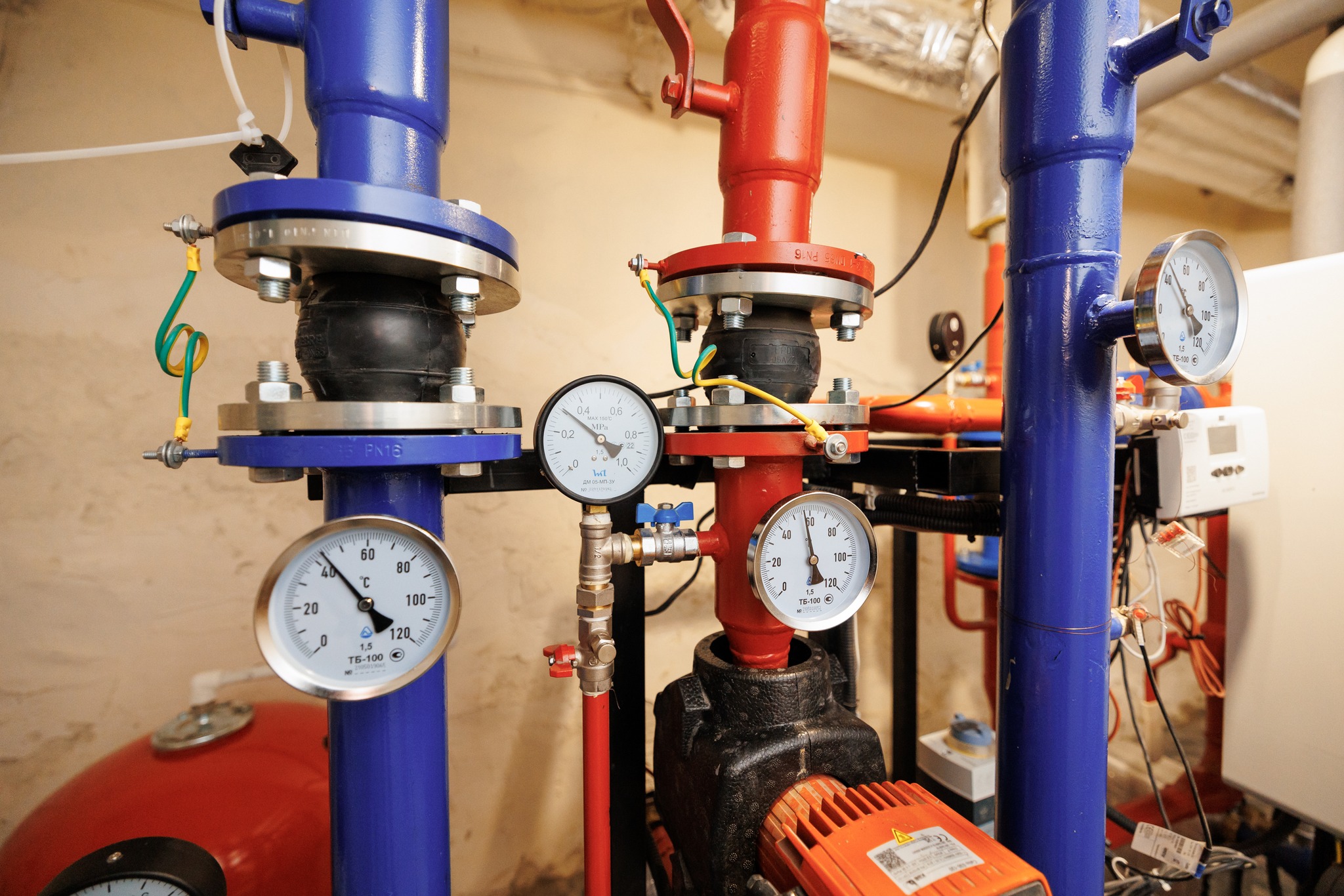
445 families in four blocks of flats in Chisinau, Republic of Moldova will pay up to 30% less for their heating after switching to a more energy-efficient distribution system. The newly installed Individual Thermal Points (ITPs) allow the transfer of thermal energy from the city's centralized system to the building's internal system with minimal heat loss. Thanks to these modifications, the thermal agent will be centrally heated and evenly distributed to all apartments for heating, allowing individual heat regulation and metering in each apartment. In addition, PTI will provide domestic hot water preparation. The switch to the horizontal distribution system will bring benefits such as energy savings, lower bills and reduced greenhouse gas emissions.
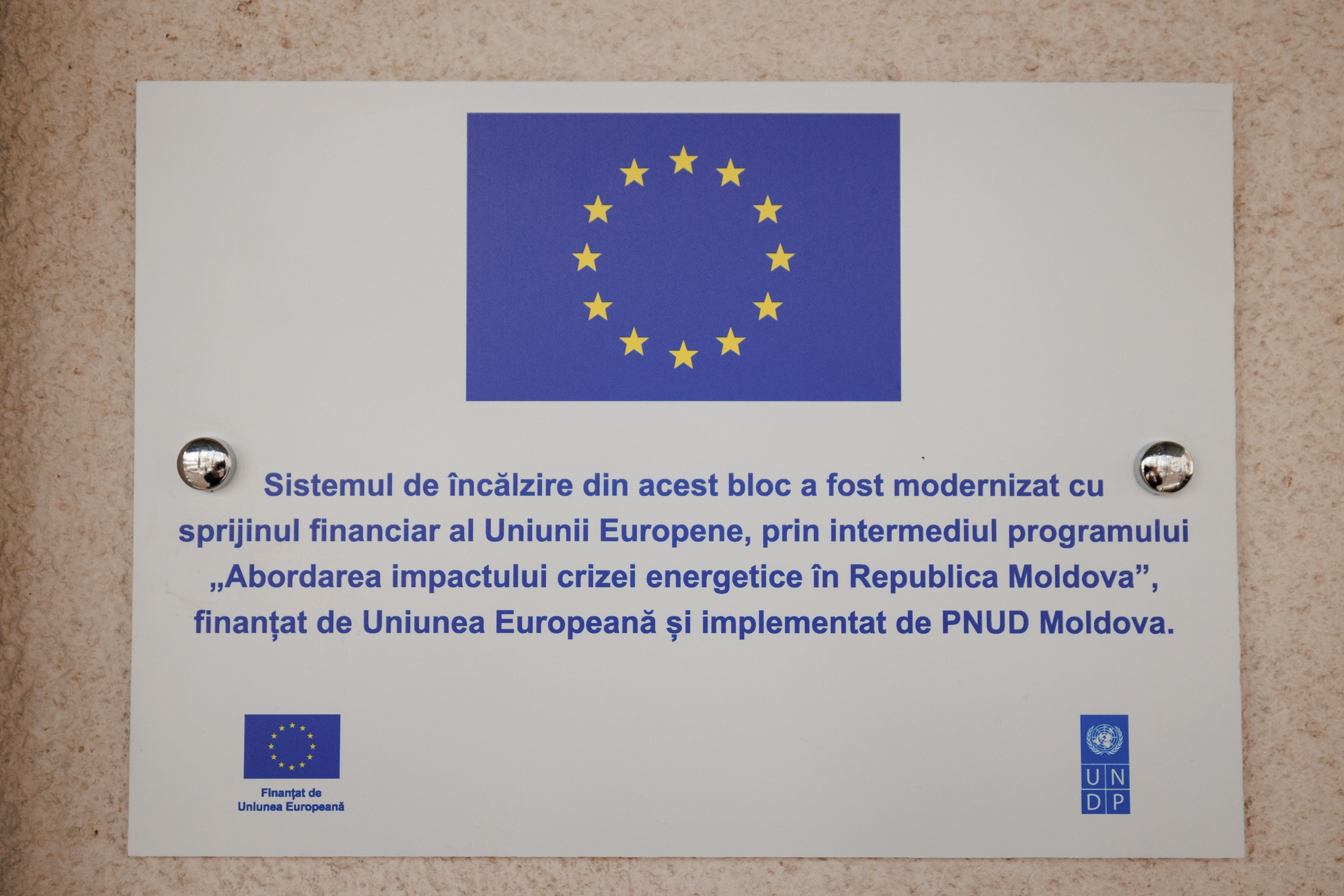
The works, worth more than €1 million, were funded by the European Union (EU) through a larger program, "Addressing the Impact of the Energy Crisis", implemented by UNDP Moldova. The blocks were selected through an open competition and the tenants contributed 20% of the investment.
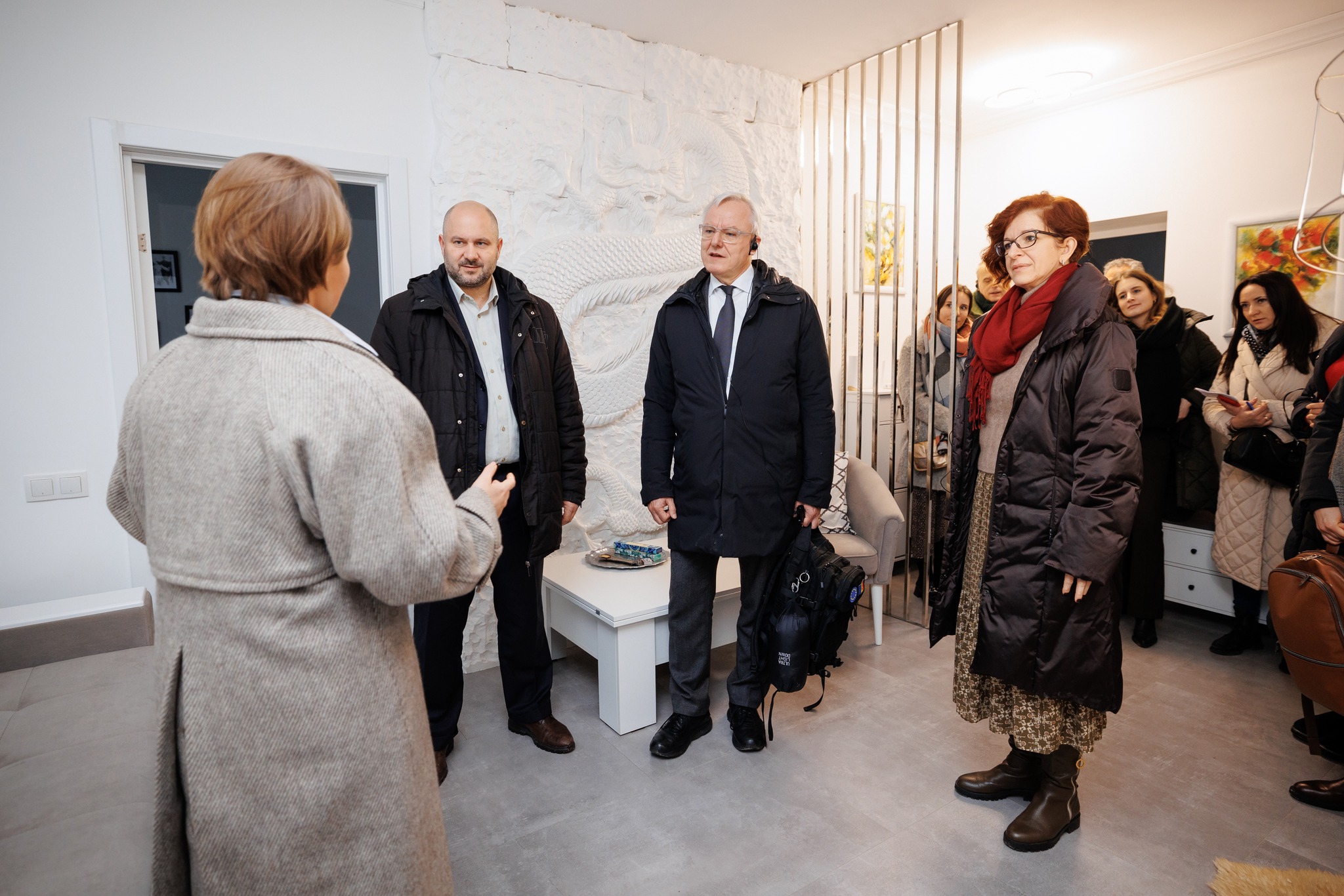
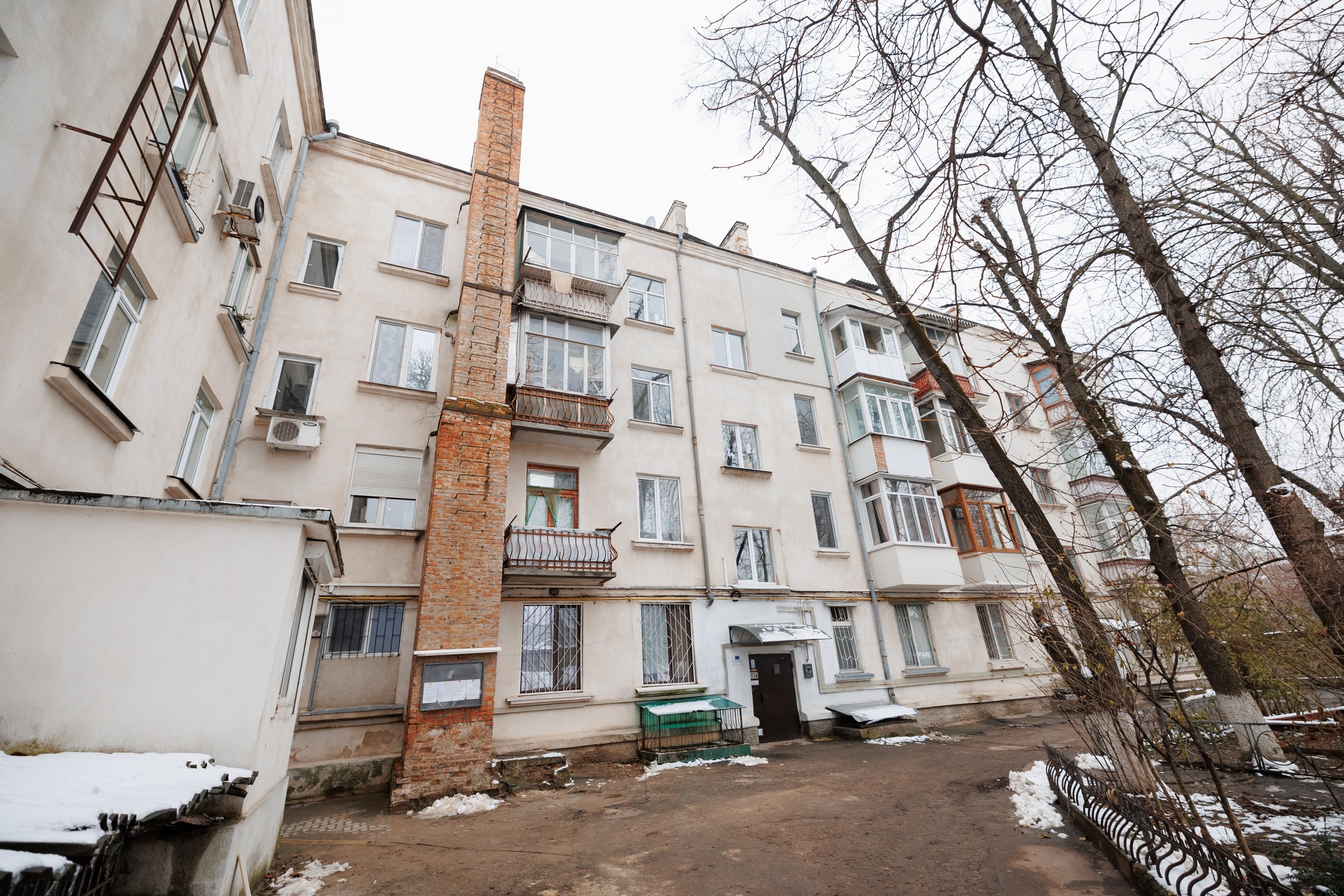
One of the beneficiary blocks is located on Bulgară Street in Chisinau. Since its construction in 1956, the residents of the 56 apartments heated their homes with firewood until 1975, when the building was connected to the vertical centralized heating system. After almost 50 years of operation, the centralized distribution system was no longer efficient, and with the energy crisis in recent years, bills doubled.
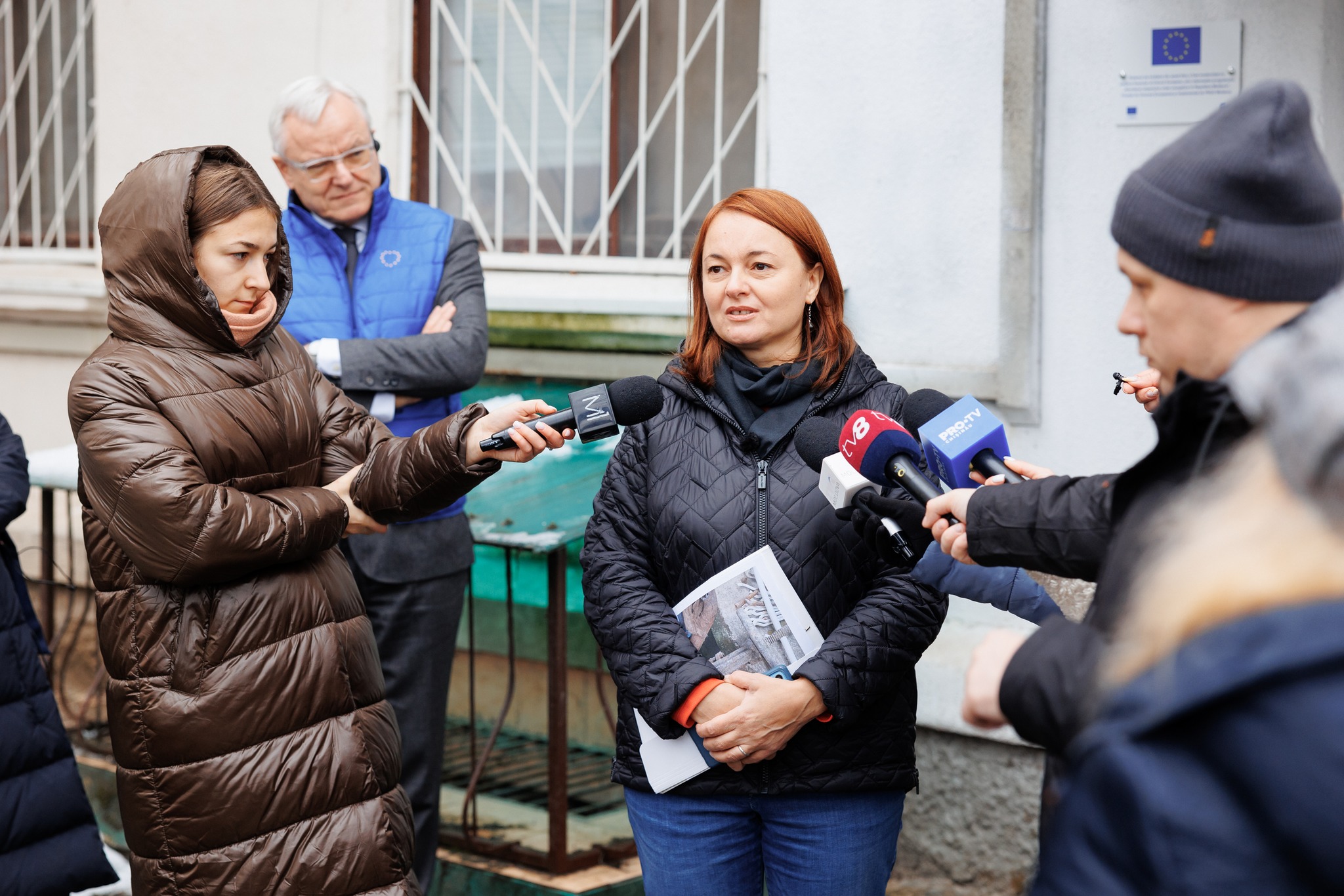
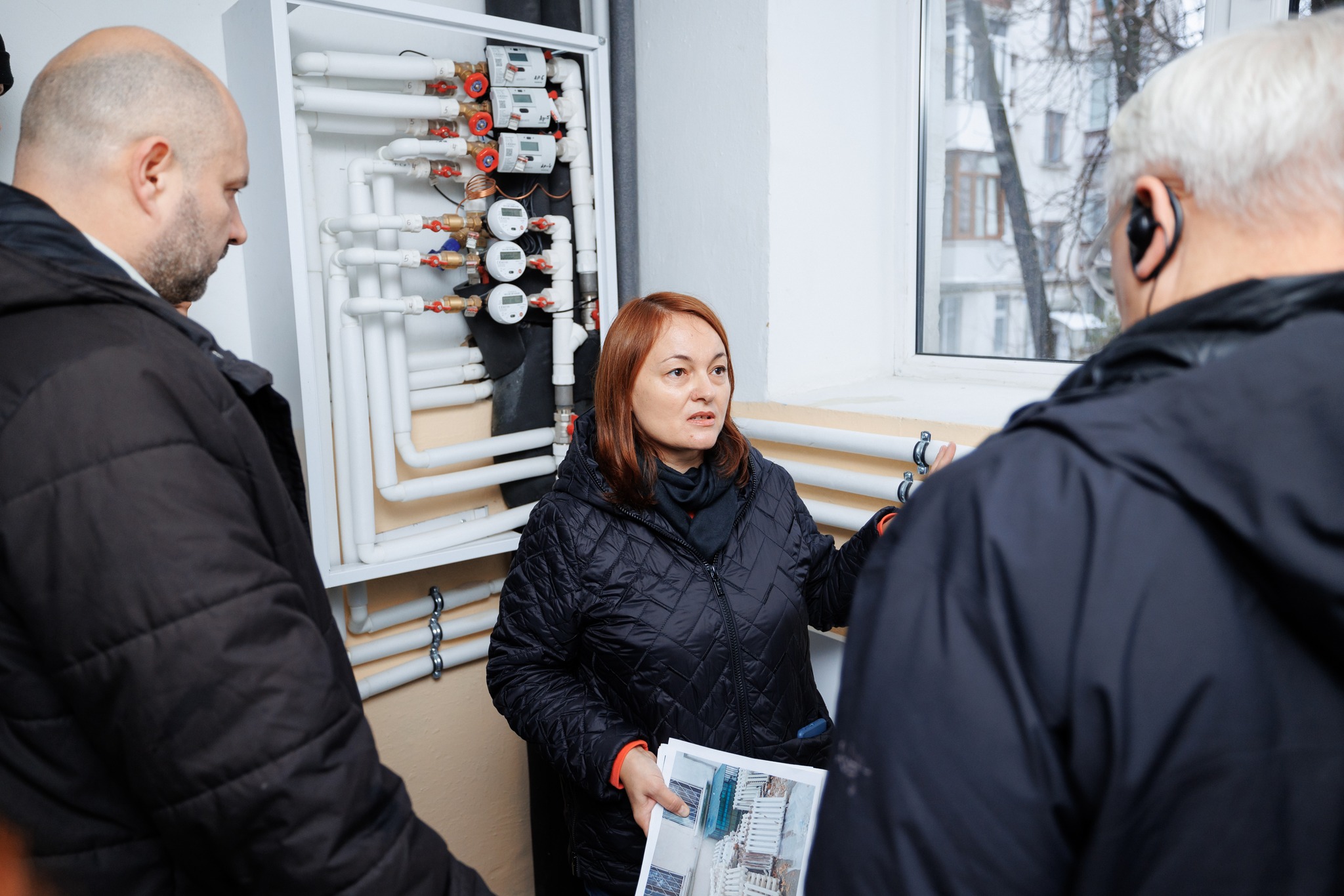
"Three years ago, when I took over the management of the block, I never dreamed that there could be EU funding for such works. The process was much easier than we thought and included work inside the flats, installing pipes and radiators. Even some of the tenants who had been heating with stand-alone gas-fired central heating have switched back to centralized heating. Now all residents have domestic hot water on tap, which has been missing for 30 years," says the block's administrator, Ludmila Rotaru.
The building is on the list of 25 competitively selected blocks where the Energy Efficiency Agency will carry out energy audits to identify the energy efficiency measures to be implemented. These audits are also funded by the EU through the program "Tackling the impact of the energy crisis".
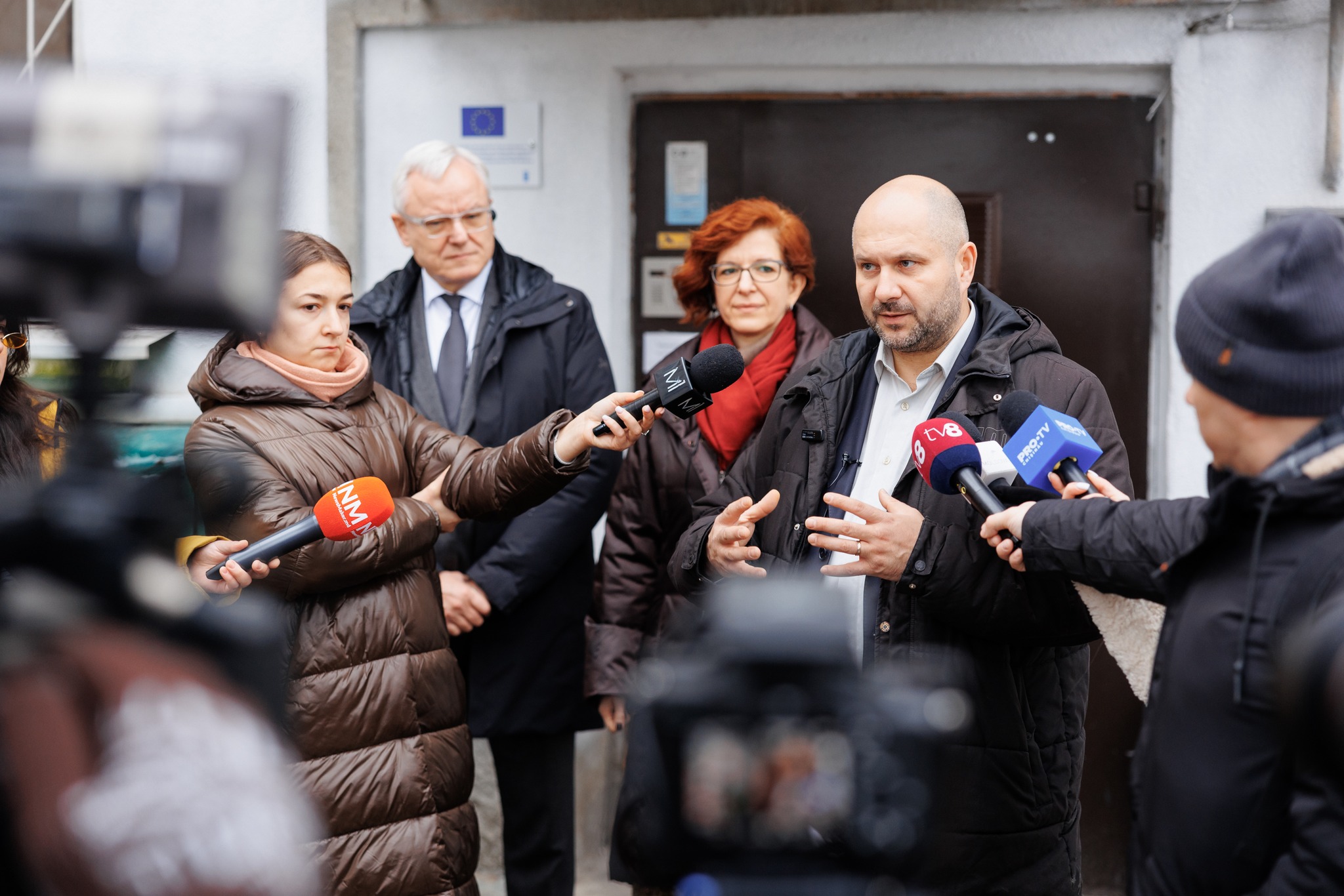
"Most buildings in the Republic of Moldova, both residential and public, were built before 1991, when energy efficiency standards were not a priority, and have very high heat losses. In fact, buildings are responsible for more than half of the country's energy consumption, and the Ministry of Energy is preparing a massive investment program in the thermal rehabilitation of buildings, which will reduce losses and energy bills for the population," said Victor Parlicov, Minister of Energy.
The horizontal distribution system can be applied in more than 80% of the country's multi-storey buildings connected to the centralized heating system. Over 70% of Chisinau's multi-storey blocks have poor energy performance and energy losses account for up to 50% of total heat consumption. The Agency for Energy Efficiency is to be transformed into the National Center for Sustainable Energy, which will manage the Fund for Energy Efficiency in Moldova's residential sector. It will finance a large program to change heating systems and rehabilitate residential blocks.
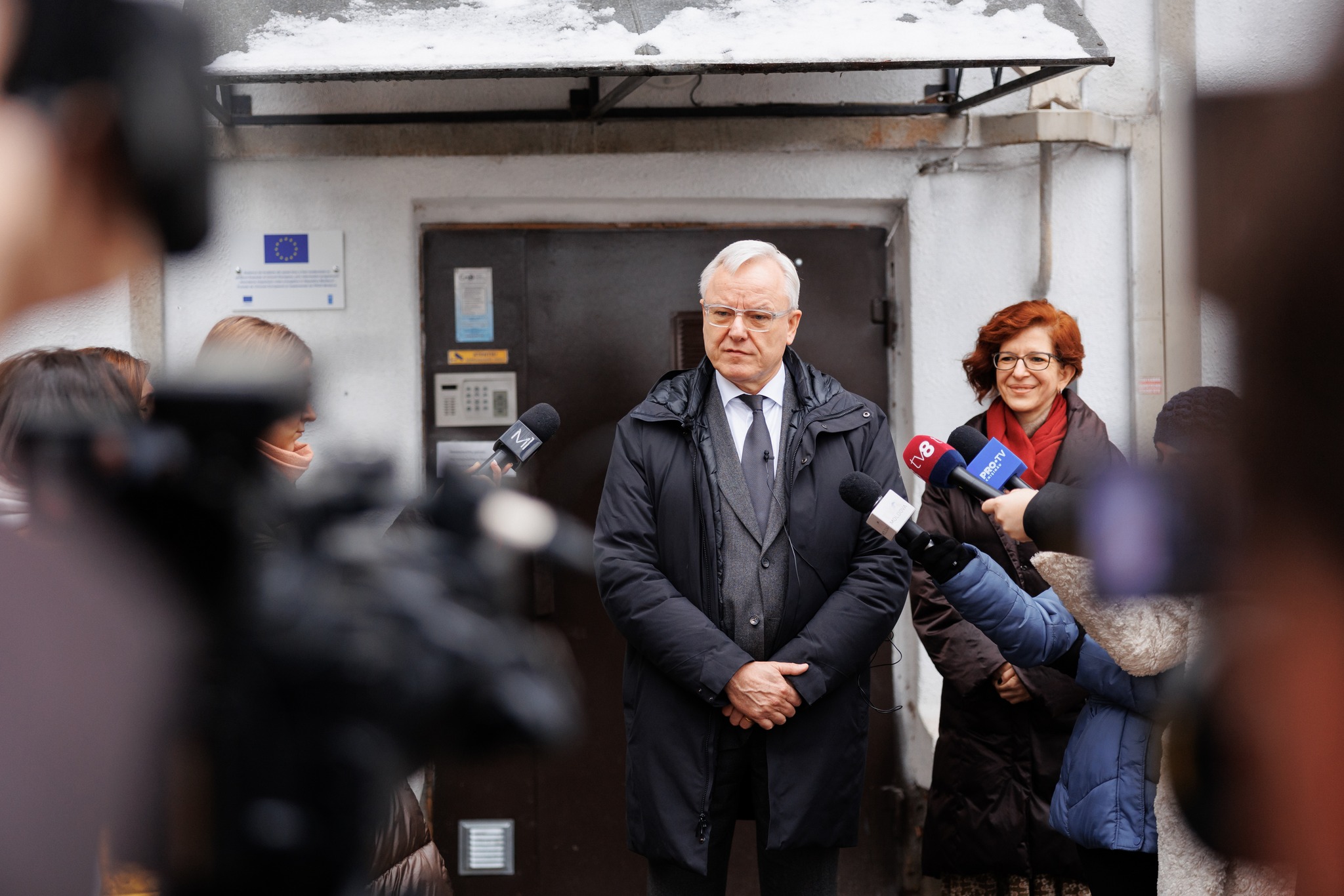
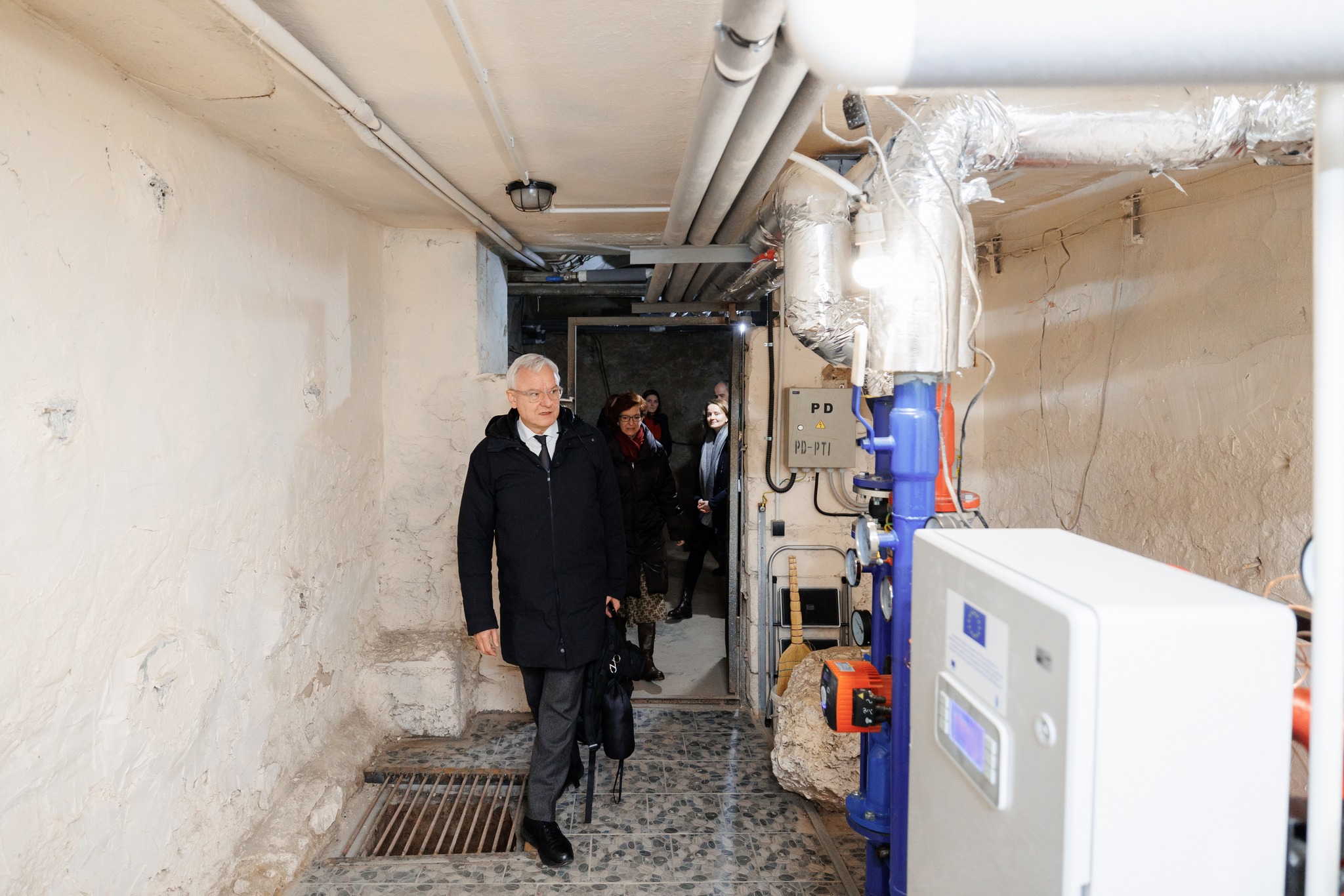
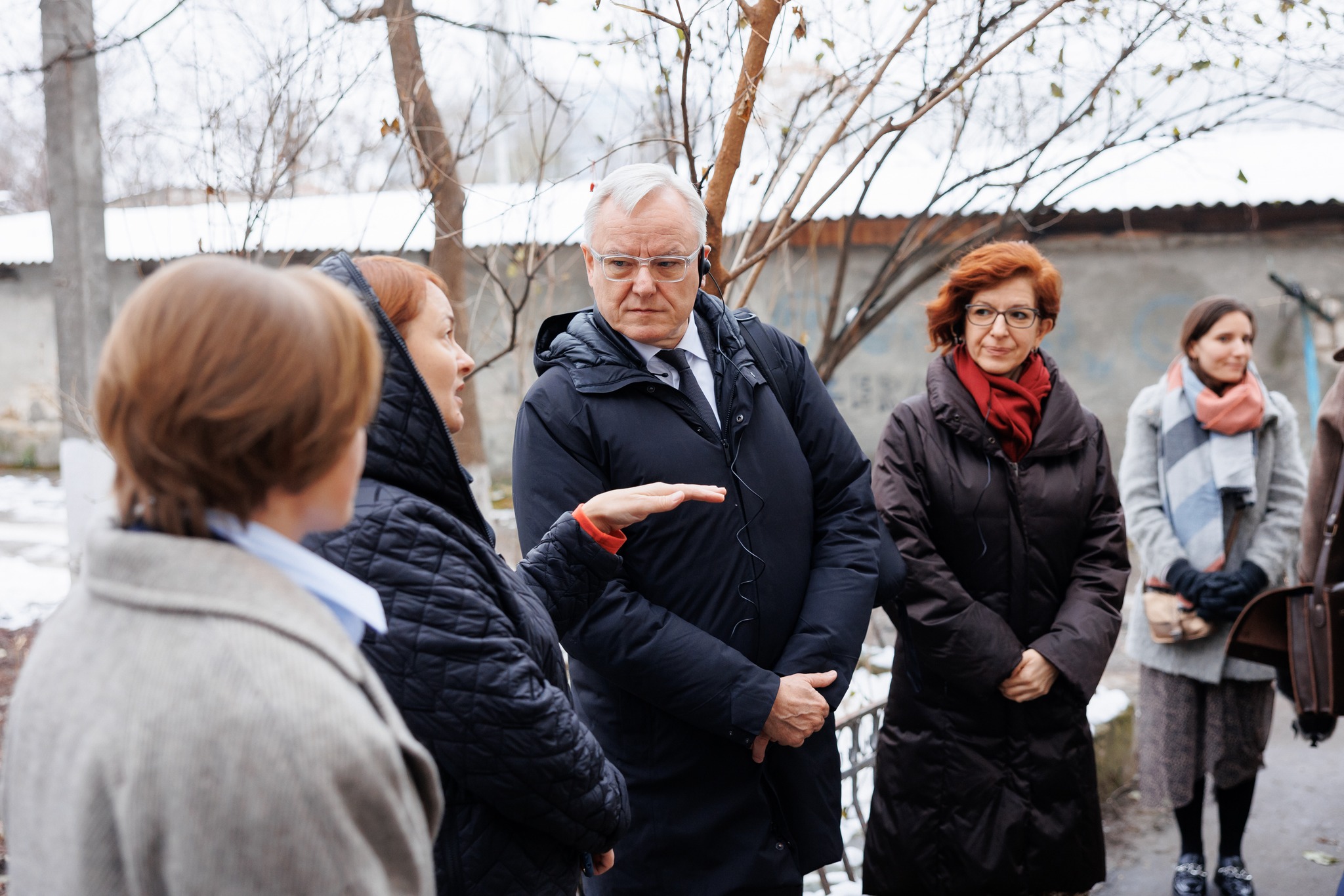
"It is gratifying to see how Moldova has coped with Russian gas volume cuts and price increases in 2021 and 2022 by accelerating the energy transition and supporting vulnerable consumers, as with this pilot initiative to increase energy efficiency in buildings. I am proud that the EU, through its Service for External Policy Instruments, has participated in this effort. This and other initiatives we are supporting help reduce dependence on Russian gas supplies and are the first steps towards a more carbon neutral future," said Peter M. Wagner, Director of the Service for External Policy Instruments, European Commission, during his visit to the Bulgarian Street block.
UNDP has previously installed horizontal heating systems in six blocks of flats in Chisinau and Balti to demonstrate the efficiency of these systems. Last year, the residents of those blocks of flats registered average savings on their bills of up to 22% in Chisinau and over 40% in Balti.
Thanks to a generous financial contribution from the EU, we have joined forces with the Government of the Republic of Moldova to help energy vulnerable households reduce their energy bills, especially in the cold season of the year. We have gone further, and in parallel explored possibilities to increase energy efficiency, which is key to lowering energy costs and having a positive impact on the climate. Rehabilitating the heating system is a practical and concrete measure that can be replicated on a large scale and contributes to accelerating the transition to green energy in a fair and equitable manner," said Daniela Gasparikova, UNDP Resident Representative in Moldova.
The centralized heating system is considered the most efficient, especially if it works on the basis of cogeneration, i.e. it generates both heat and electricity. There are currently over 200 thousand apartments in more than 3800 blocks of flats in Chisinau connected to the centralized heating system.
Through the program "Addressing the impact of the energy crisis in the Republic of Moldova", with a budget of €13 million, implemented by UNDP, the European Union has supported the creation of the platform compensatii.gov.md and launched a campaign to replace old household appliances with new energy efficient ones. The program finances the installation of photovoltaic panels in family-type children's homes and several hospitals.
In addition, the program provides support for the transposition of the EU's third energy package into both primary and secondary legislation, as well as the transposition of a number of directives and regulations of the "Clean Energy for All Europeans" package, which address the energy performance of buildings, renewable energy sources, energy efficiency, good governance and electricity market design.
Images