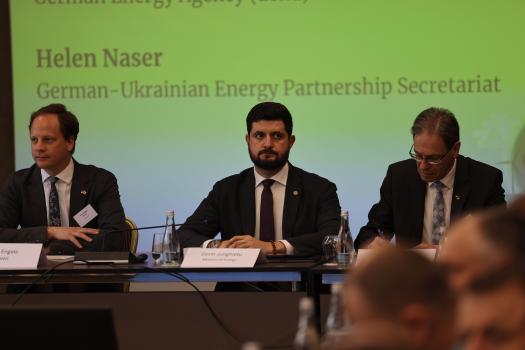
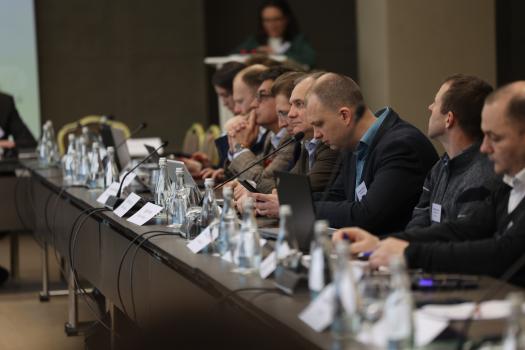
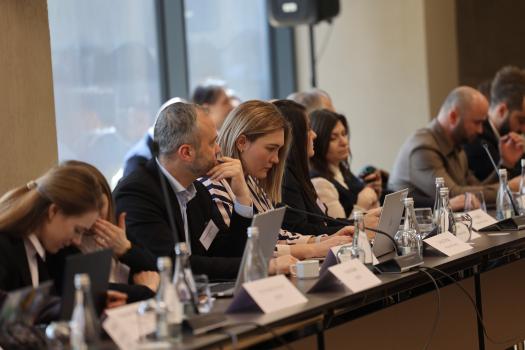
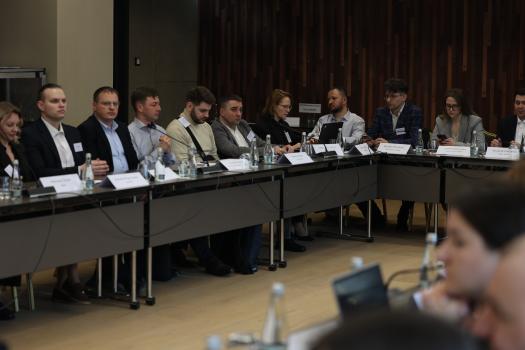
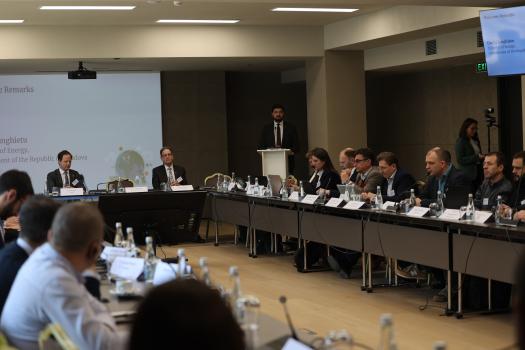
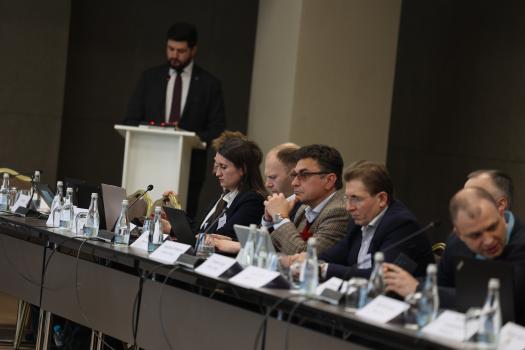
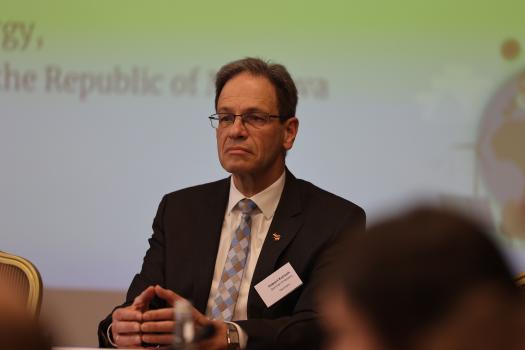
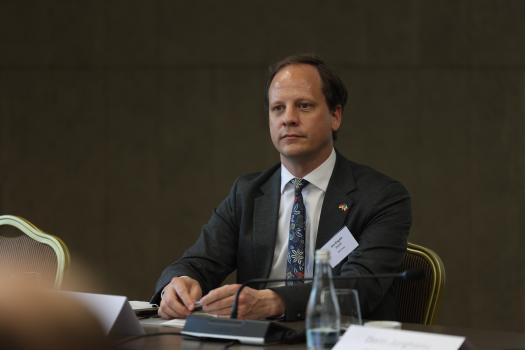
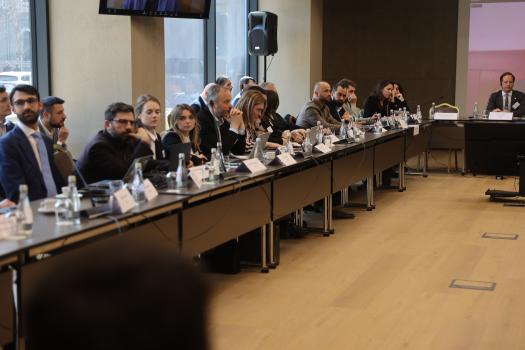
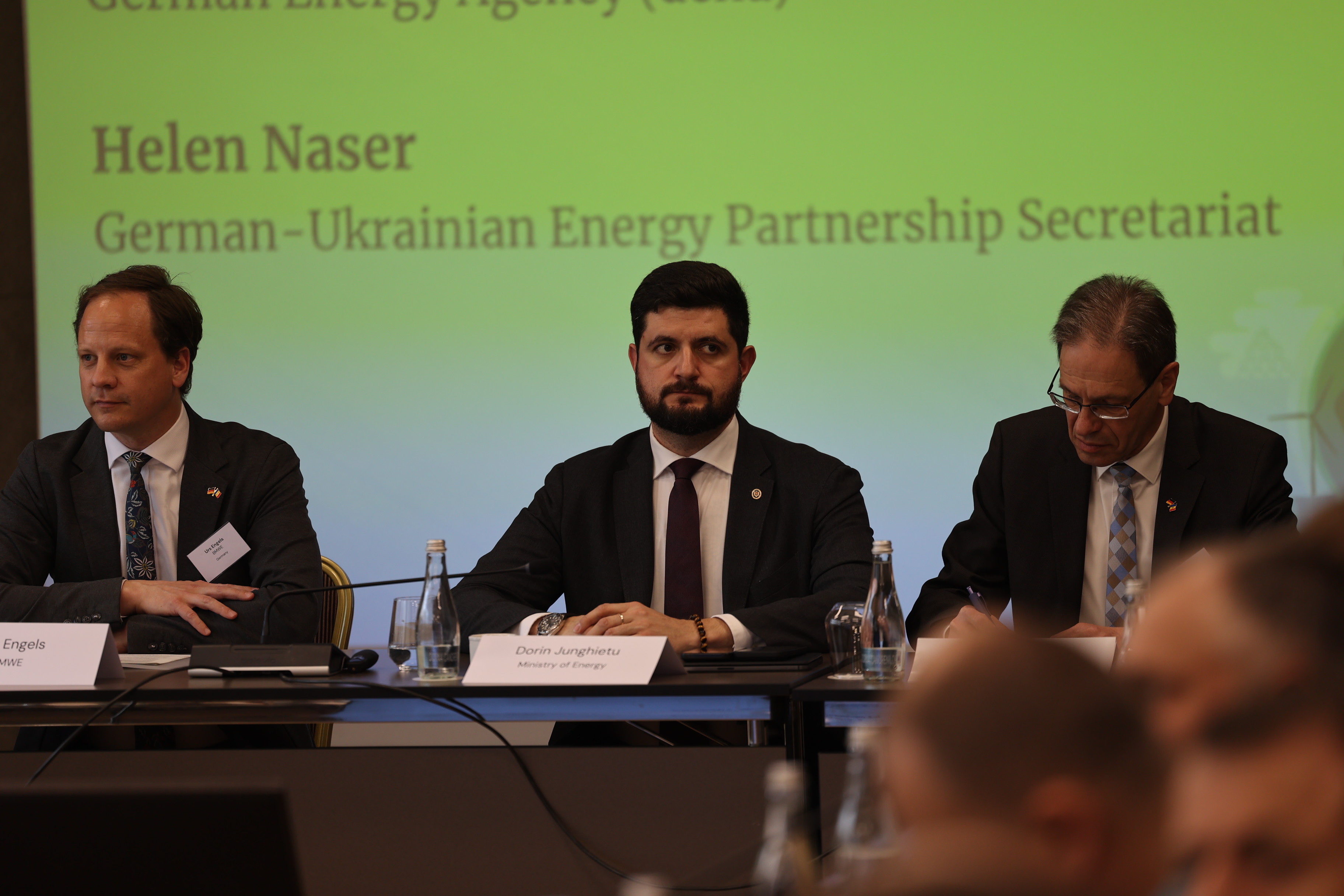
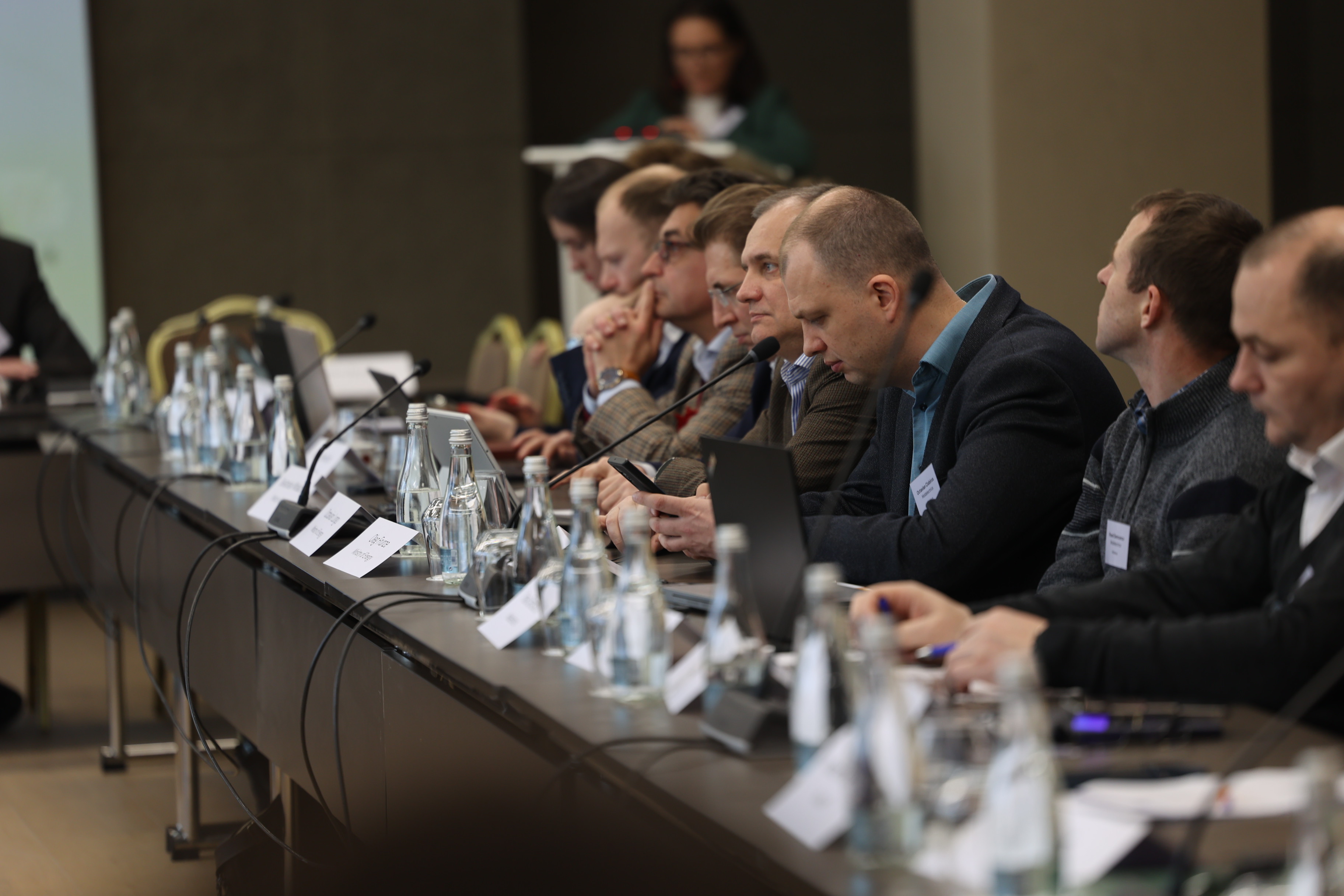
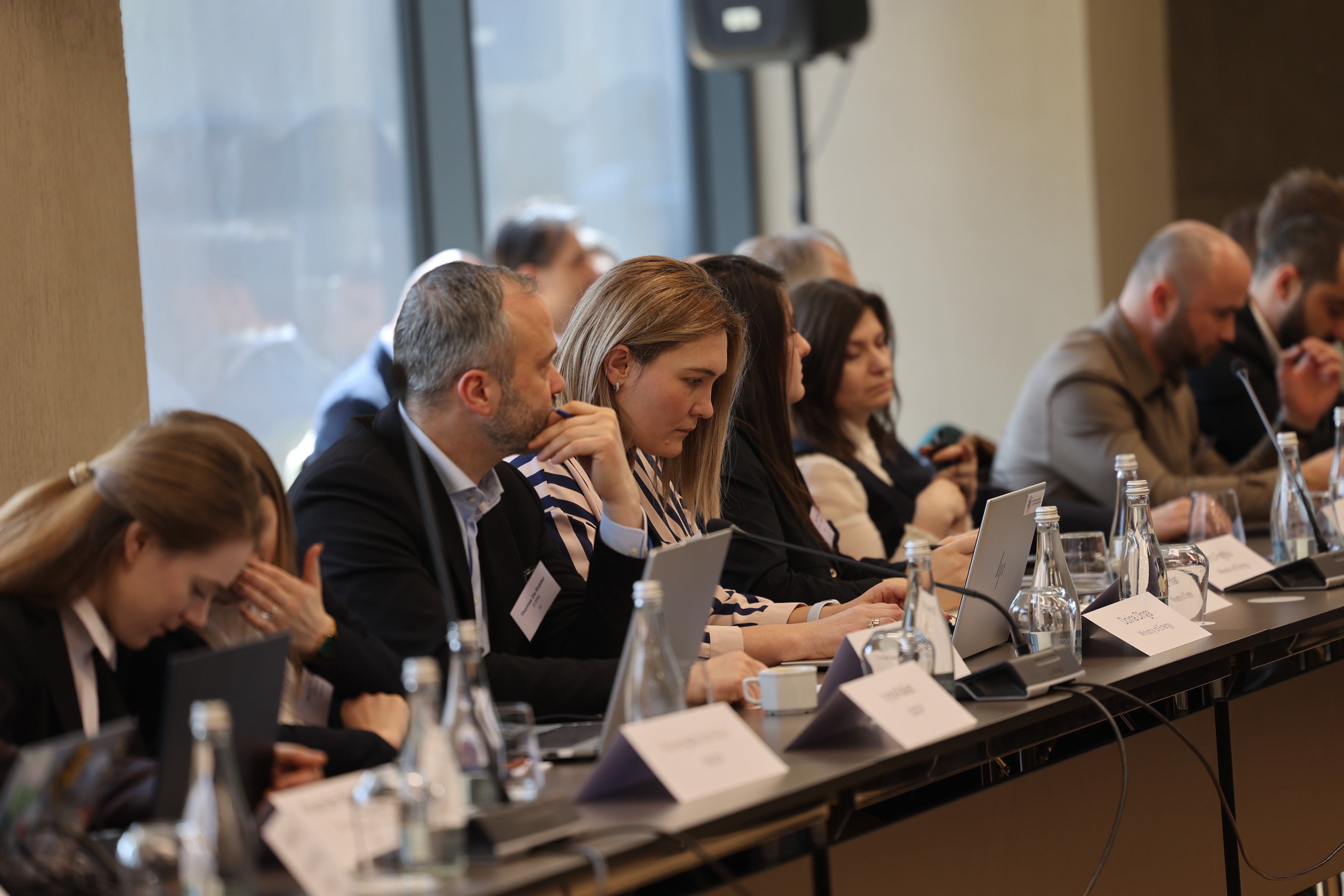
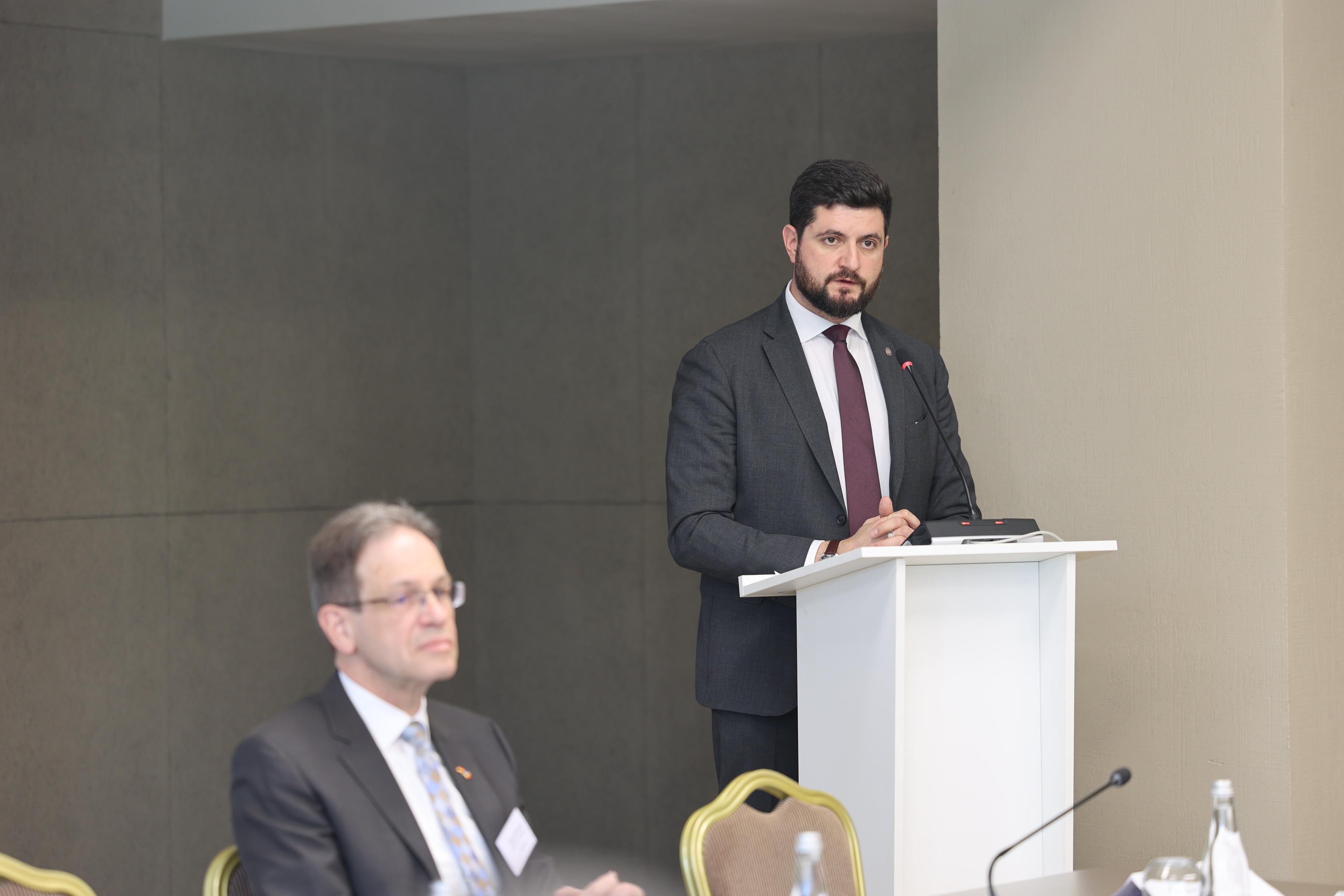
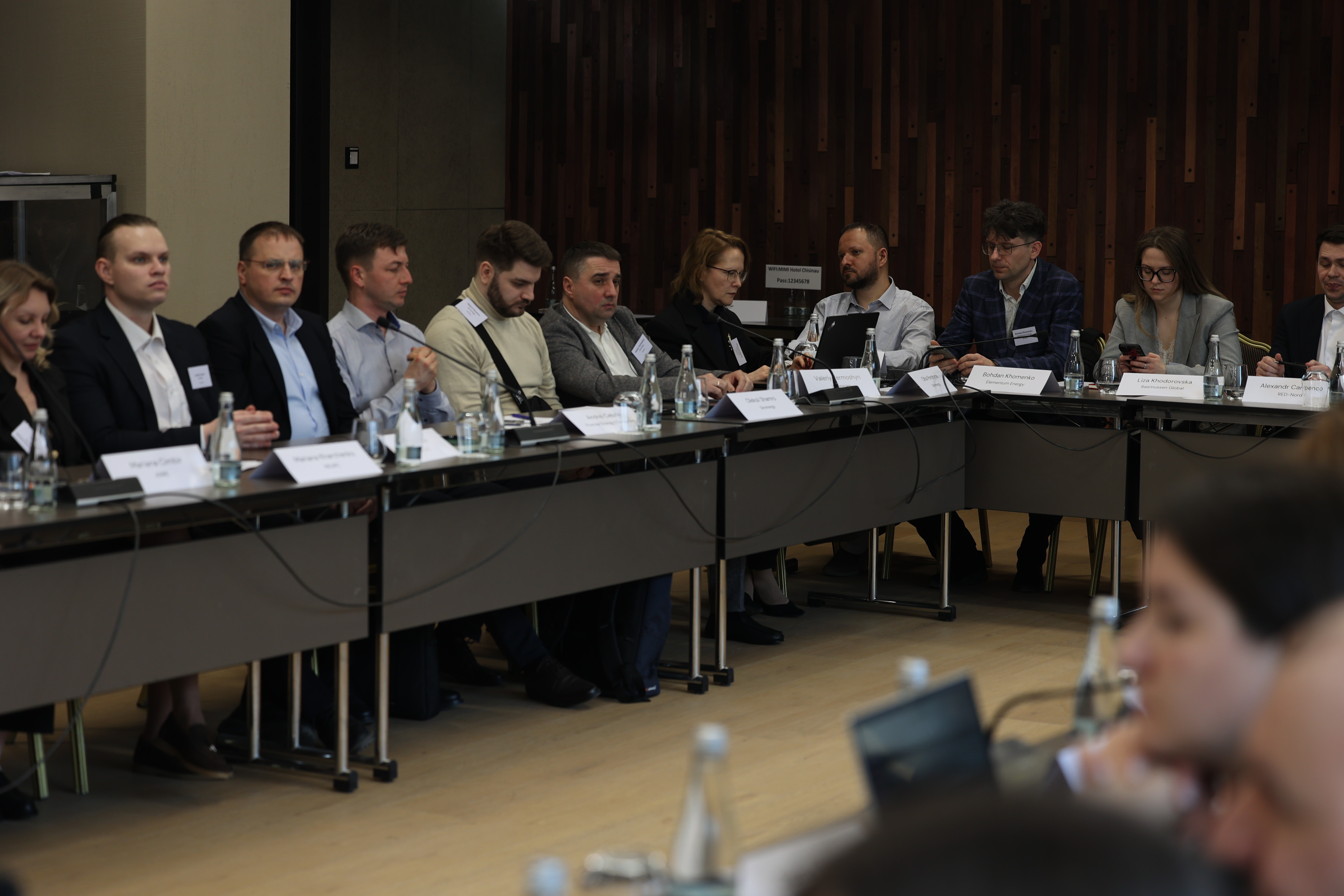
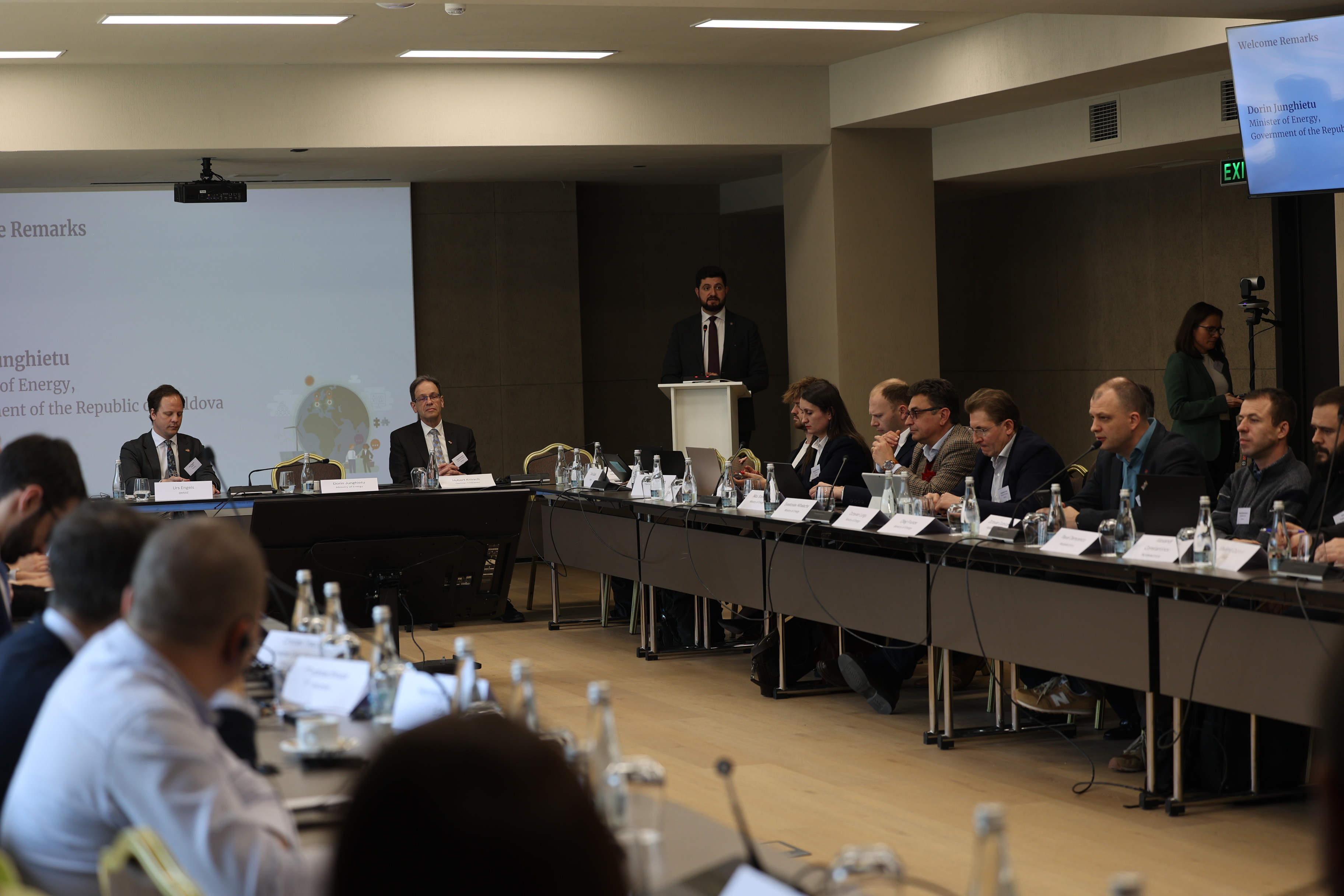
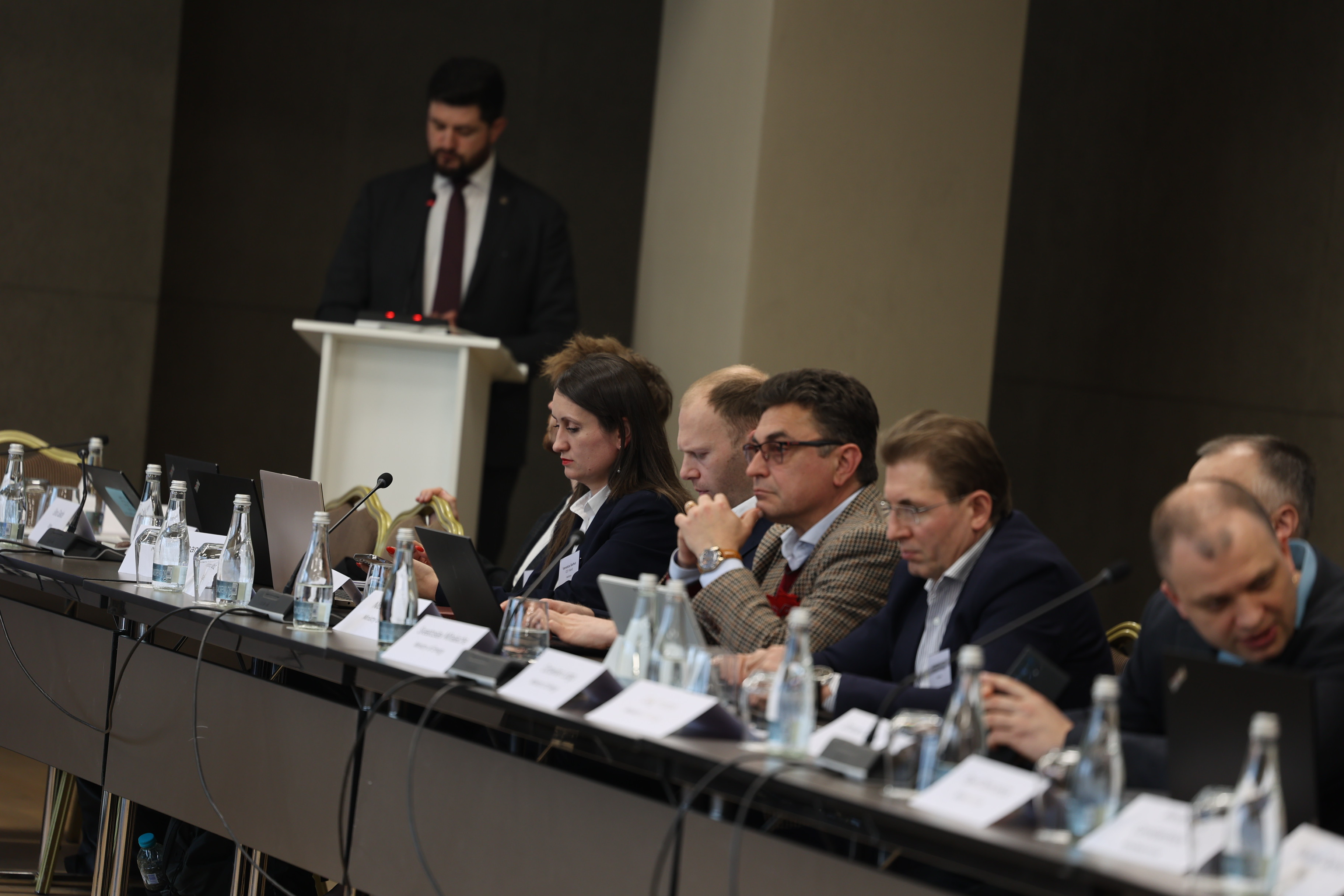
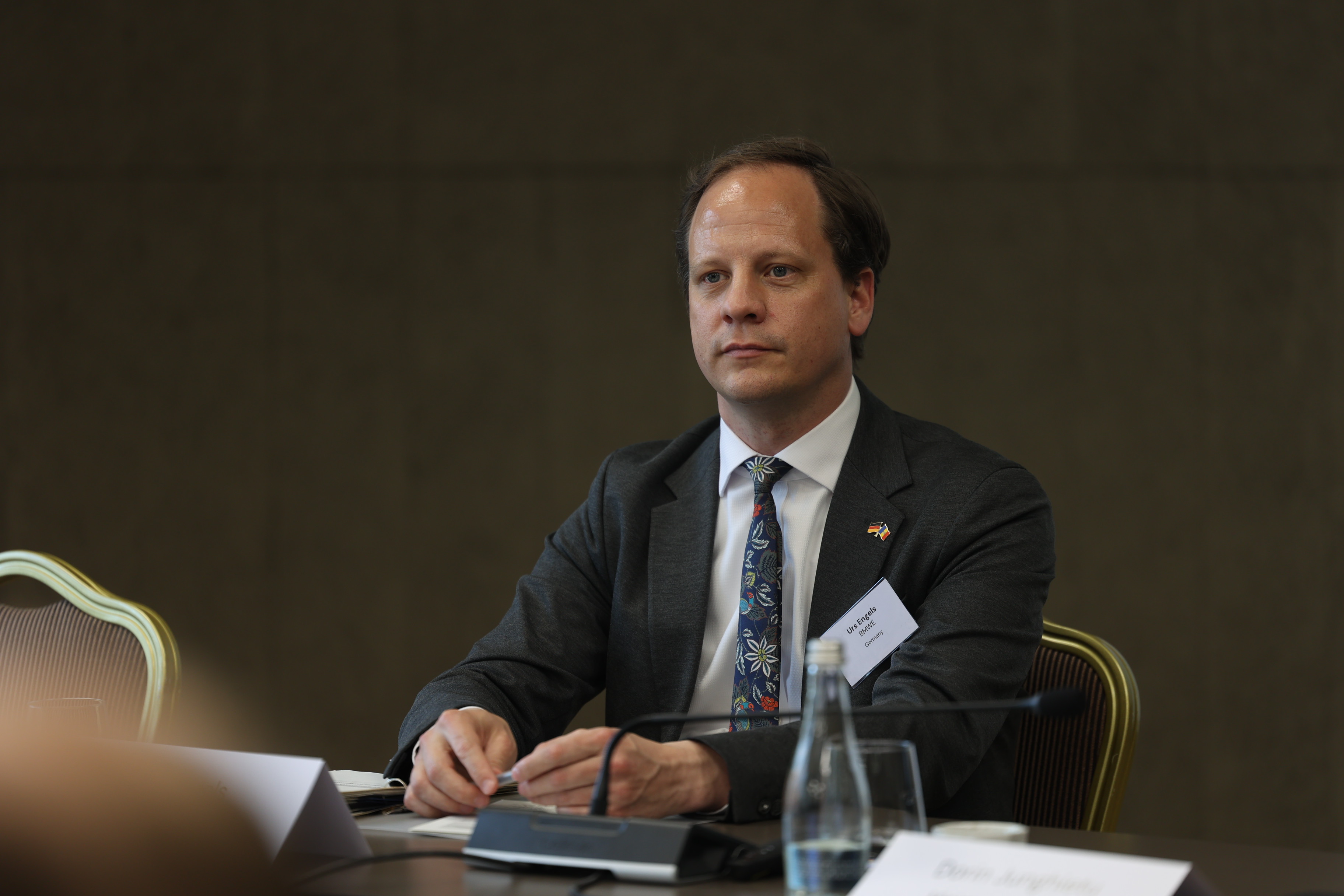
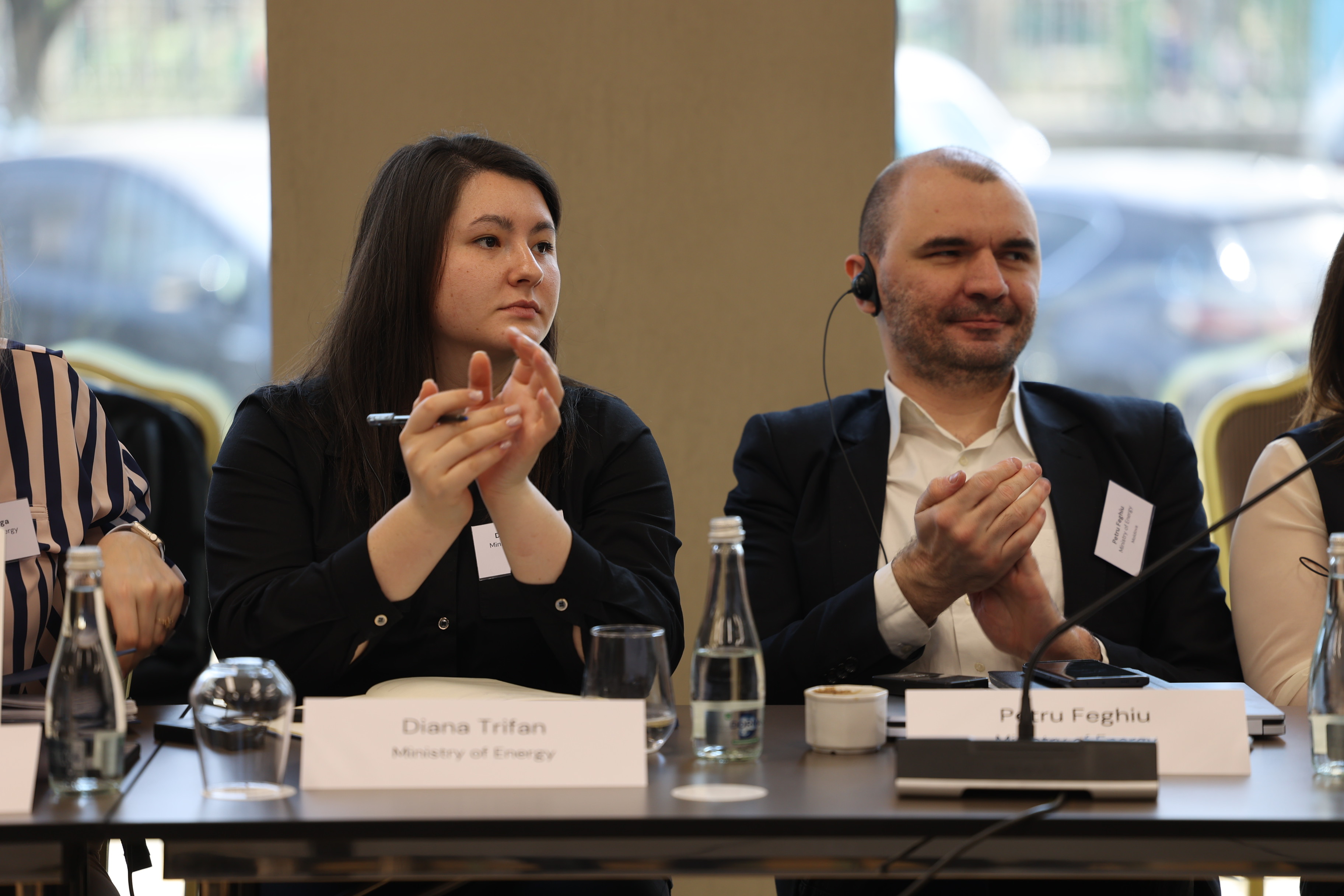
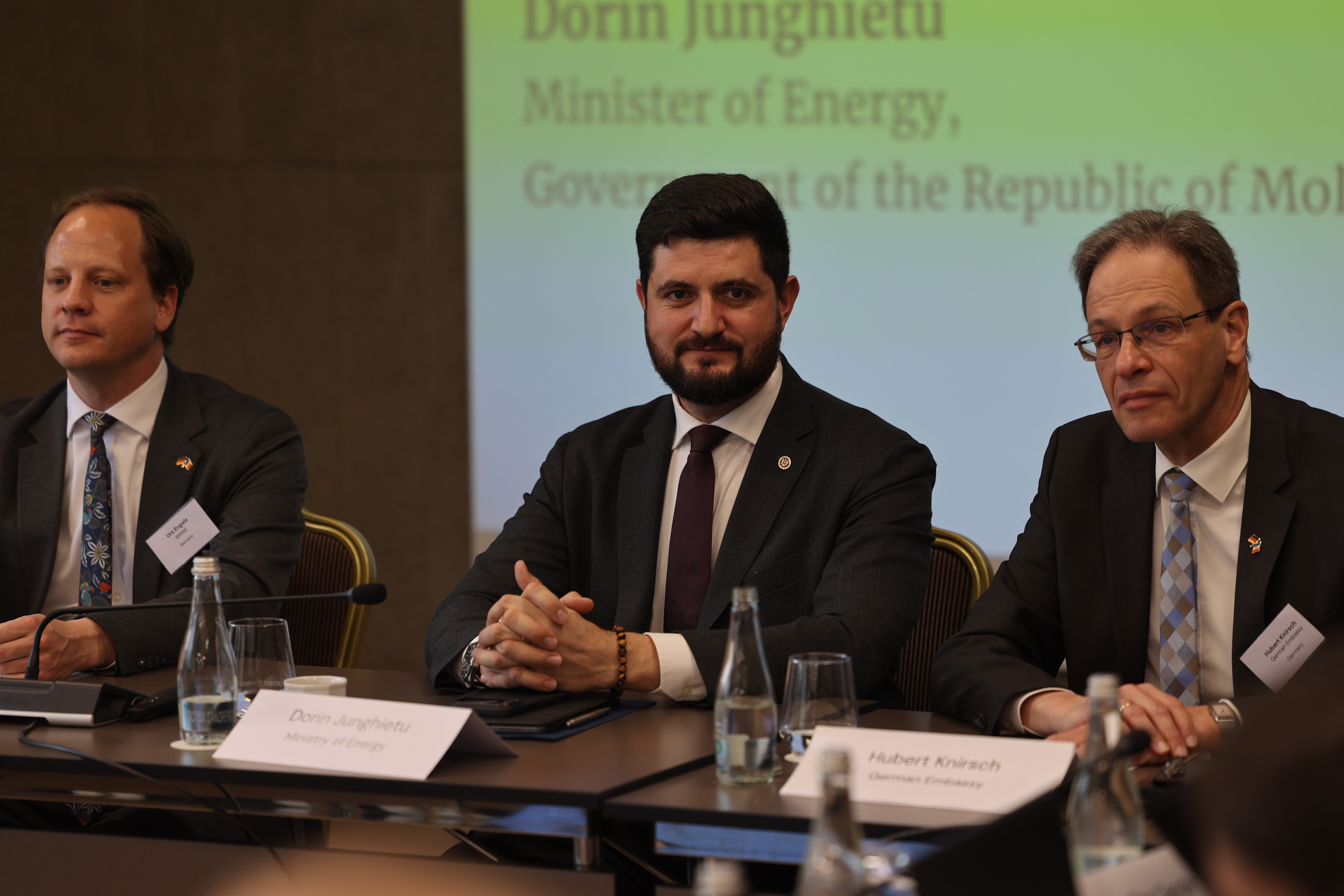
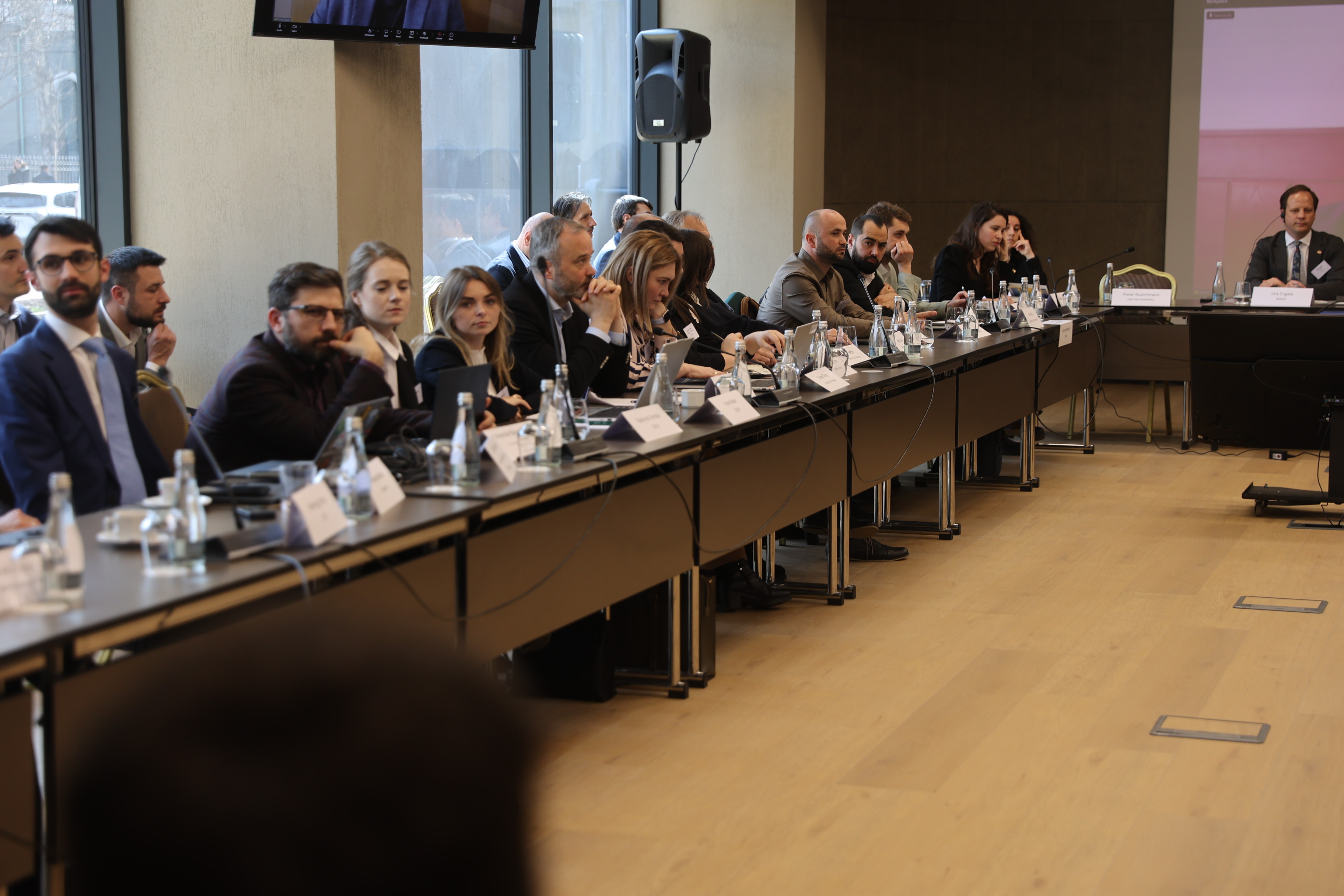
Cybersecurity, hybrid threats, and the resilience of energy systems were at the center of an international workshop held in Chișinău on March 26–27, bringing together experts from the Republic of Moldova, Germany, and Ukraine. The event gathered representatives of energy ministries, system operators, and energy companies to discuss the protection of critical infrastructure and the strengthening of regional cooperation.
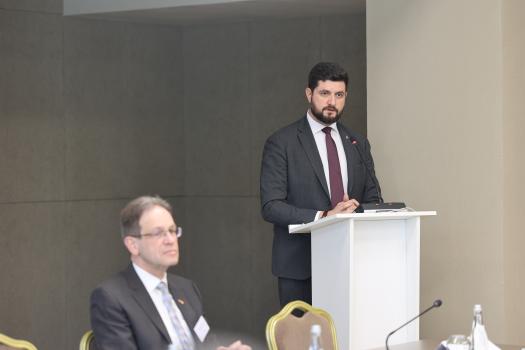
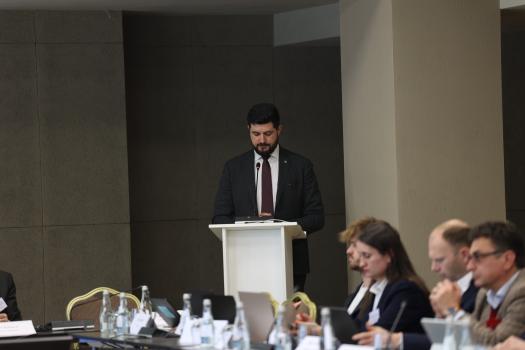
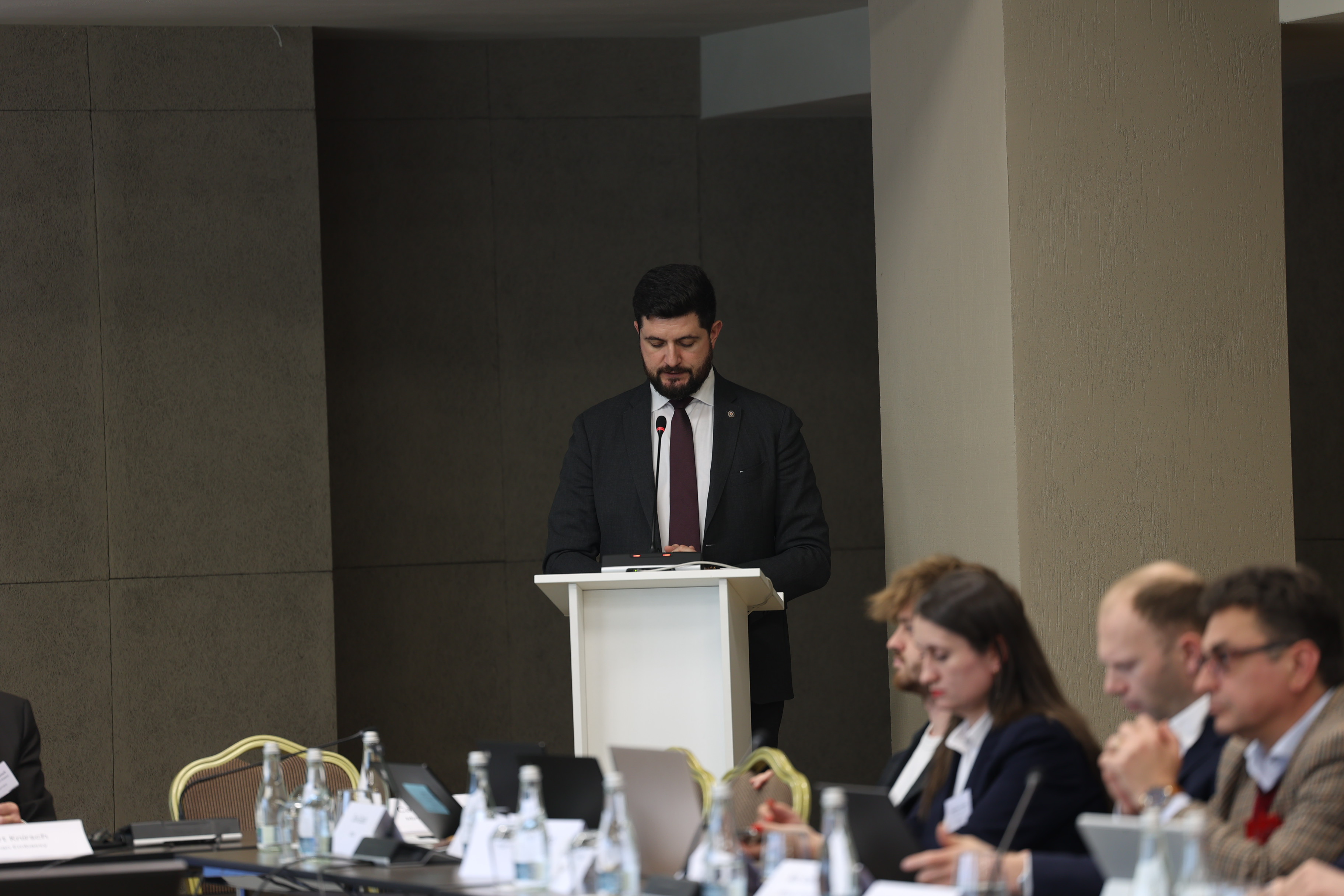
Opening the event, Minister of Energy Dorin Junghietu emphasized that energy security can no longer be treated separately from cybersecurity, in the context of increasingly deep interconnection of European energy systems.
“We are living in a time when cybersecurity, hybrid threats, and the resilience of energy systems have become critical challenges in an increasingly interconnected European energy system. The interdependencies between our countries bring undeniable benefits, but at the same time they amplify risks and vulnerabilities. Today, the energy sector represents critical infrastructure not only at national level, but also at regional and European level. Any major disruption, whether caused by a cyberattack, a physical attack, or an act of sabotage, can have cascading effects beyond national borders,” the minister stated.
The official warned that energy infrastructure has become a strategic target, and the consequences of attacks can quickly extend beyond national boundaries.
“Recent experiences clearly demonstrate how real and dangerous these threats are. Attacks on energy infrastructure, whether in cyberspace or physical space, are no longer hypothetical scenarios. They are tools used within hybrid threats, with the potential to destabilize economies, societies, and institutions. In this context, the exchange of experience between countries is essential. Cooperation between states such as Germany, Moldova, and Ukraine gives us the opportunity to learn from one another, from the implementation and operationalization of EU directives and regulations to crisis management in real conditions,” said Dorin Junghietu.
The Minister of Energy also highlighted that recent experiences demonstrate the real nature of these risks and the need for a coordinated approach.
“Attacks on energy infrastructure are no longer hypothetical scenarios. They are tools used within hybrid threats, with the potential to destabilize economies, societies, and institutions. At the same time, we must promote an integrated approach that treats cybersecurity and physical security as complementary components of a unified approach. We cannot protect digital networks without protecting physical infrastructure, and vice versa,” he emphasized.
During the workshop, participants analyzed the implementation of European directives on cybersecurity and critical infrastructure resilience, including the NIS2 Directive and the Critical Entities Resilience (CER) Directive. Discussions covered both the regulatory framework and practical challenges related to its application in the energy sector.
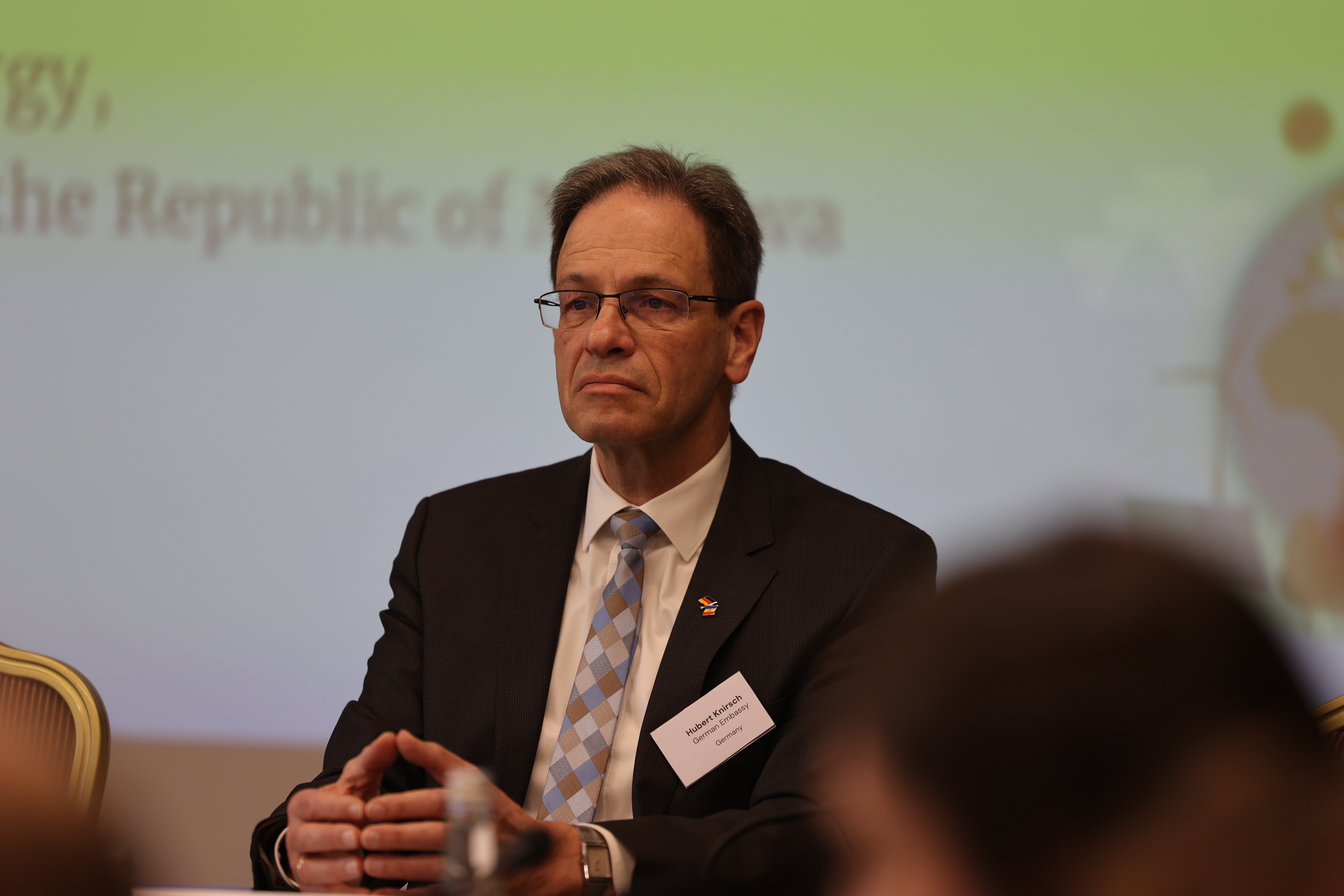
Germany presented its experience in regulating and protecting critical infrastructure, including the implementation of the KRITIS framework and NIS2 standards, as well as approaches to securing electricity networks in an interconnected European system.
Ukraine shared valuable lessons from managing its energy system under wartime conditions, including responses to cyber and physical attacks on energy infrastructure, offering concrete examples of operational resilience and rapid recovery.
The Republic of Moldova presented progress in aligning with European legislation and strengthening cooperation with international partners, while also emphasizing the need to continue investments in secure infrastructure, modern technologies, and cybersecurity skills development.
Participants also discussed the protection of cross-border electricity flows, the exchange of threat information, incident notification mechanisms, and the typologies of attacks targeting energy infrastructure.
The event was organized in Chișinău by the German Energy Agency (DENA) and included sessions dedicated to both cybersecurity and the physical resilience of energy infrastructure.