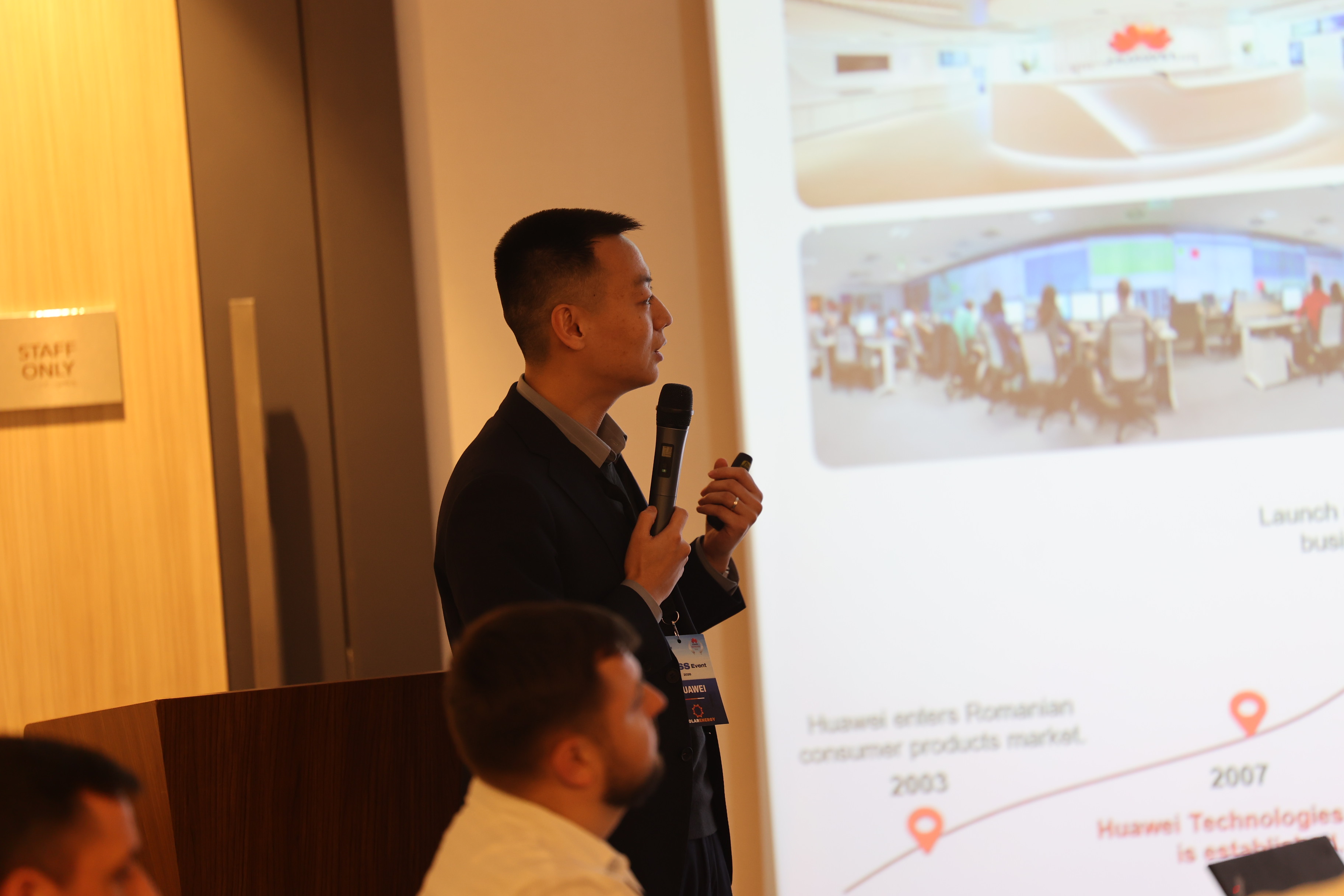
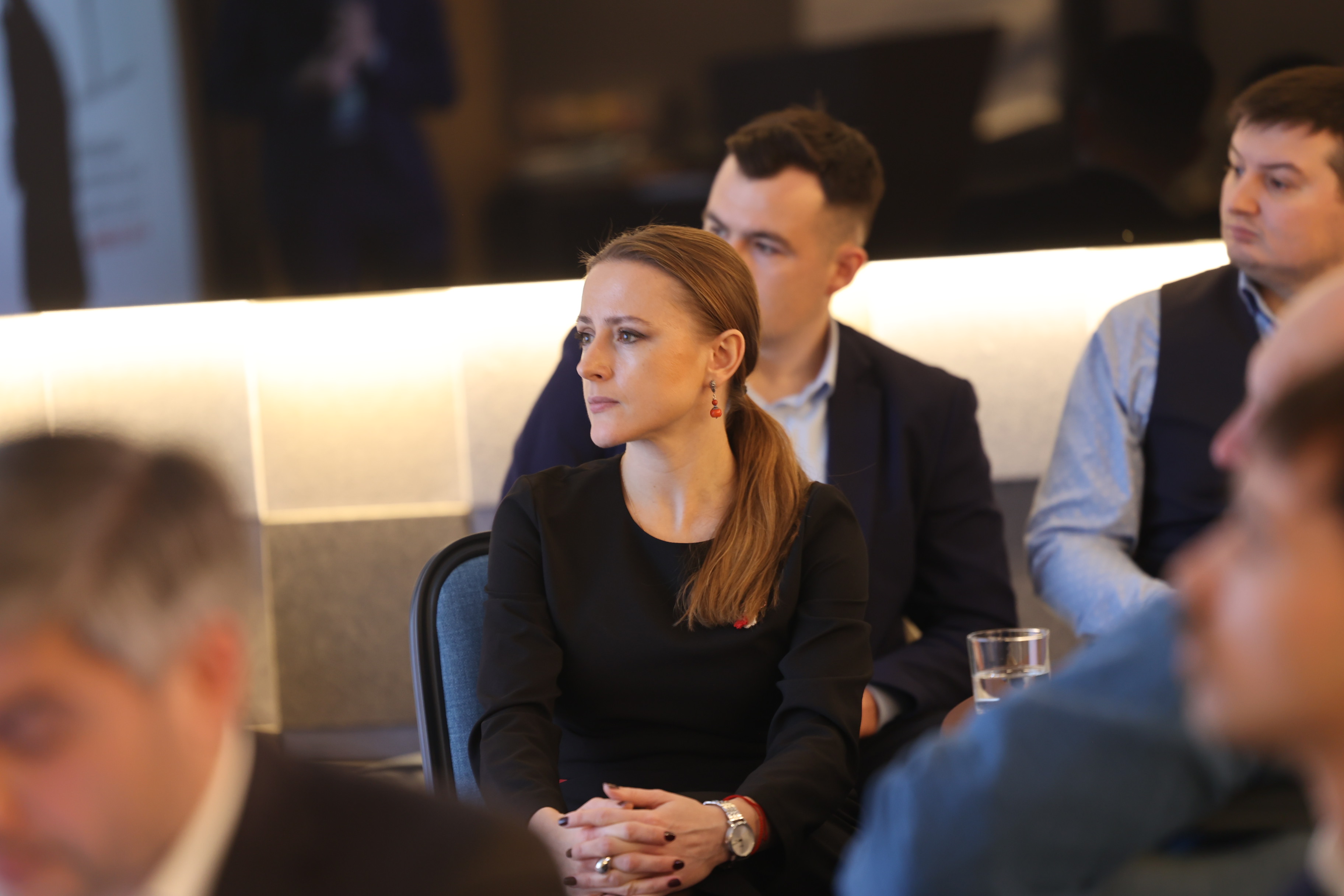
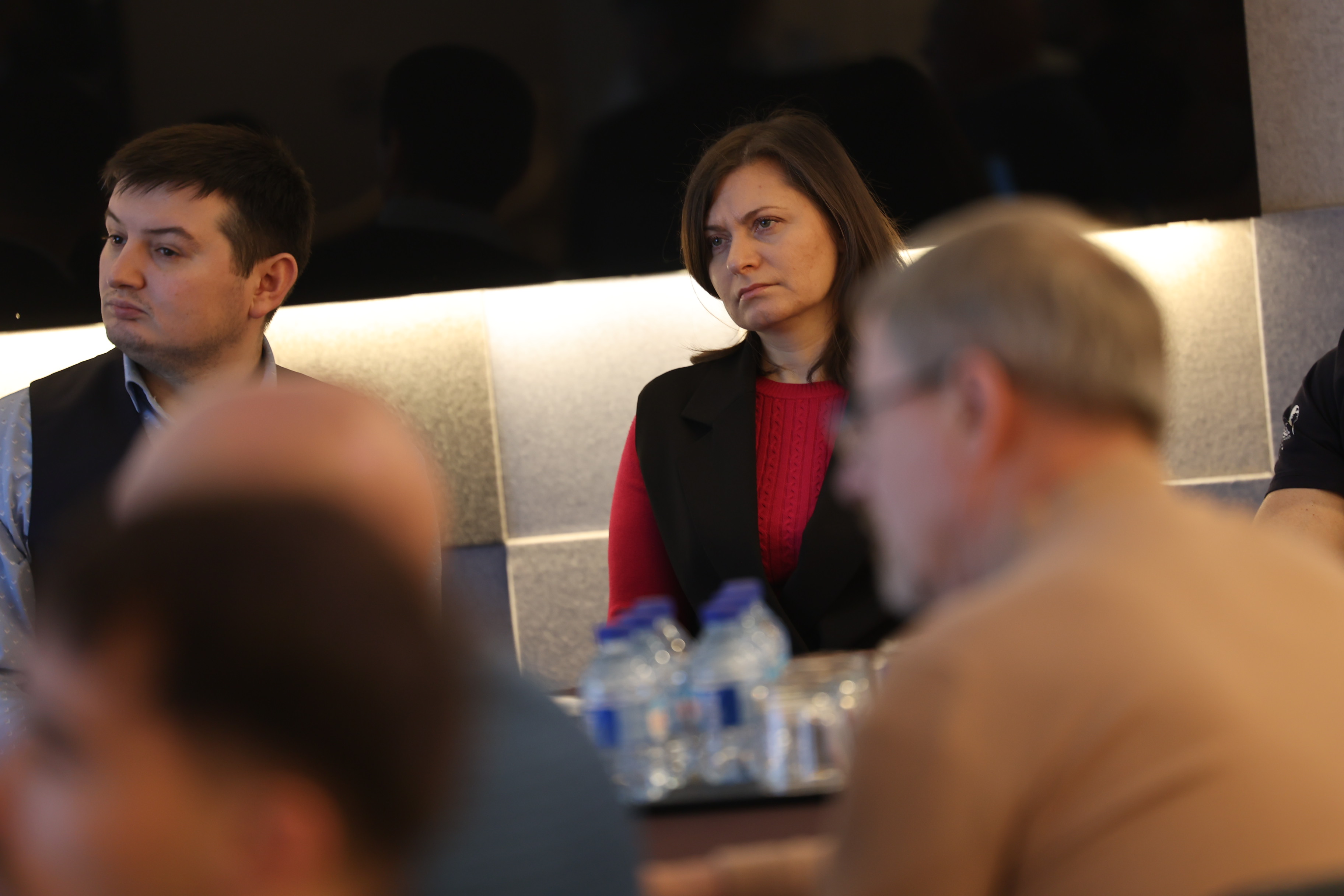
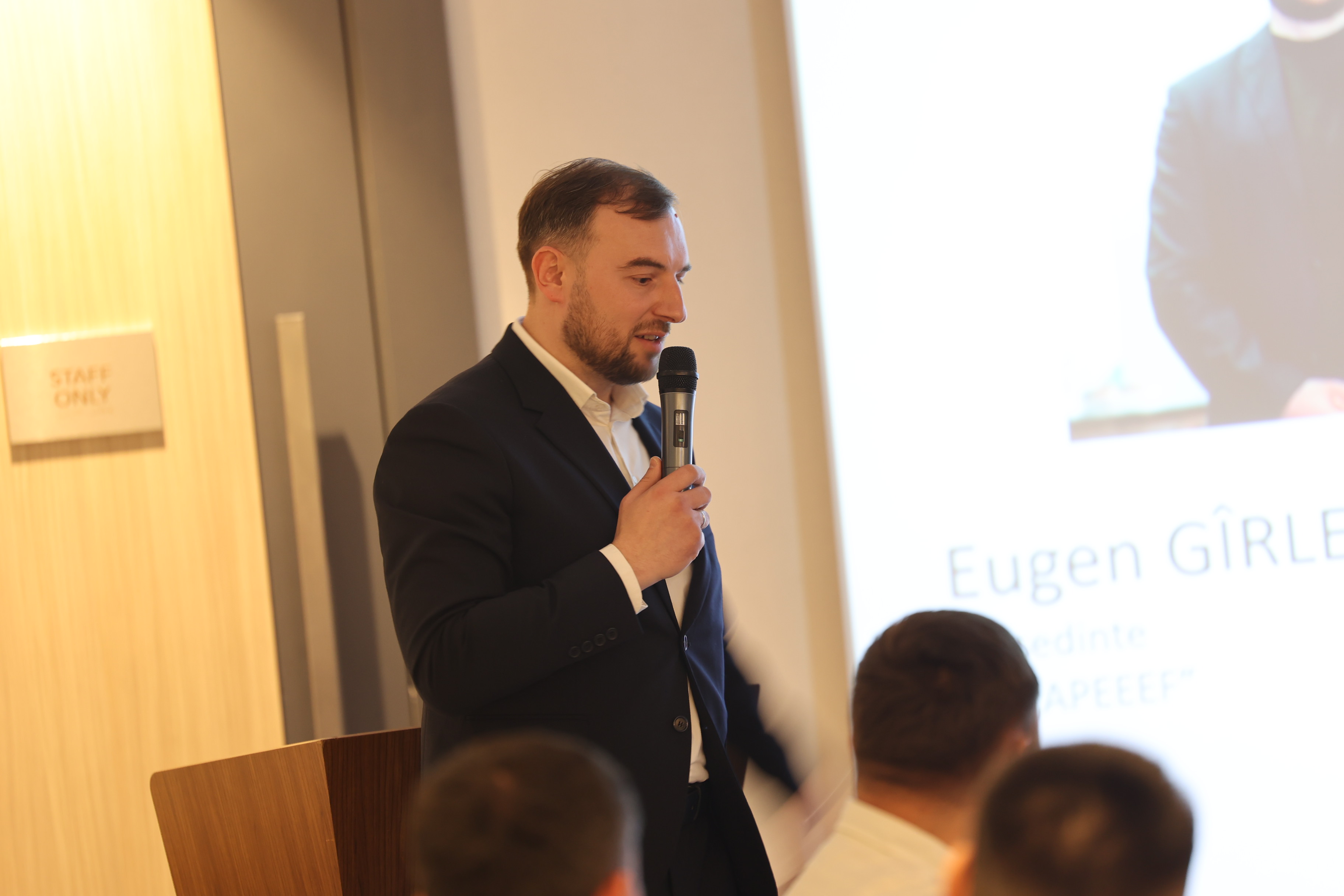
Over 100 companies learned about energy storage solutions at the Huawei Utility BESS – Investment & Market Outlook Event
- 135 reads
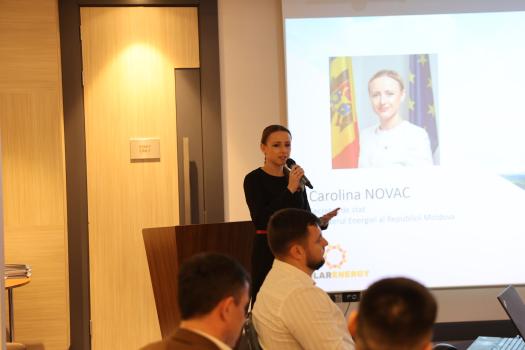
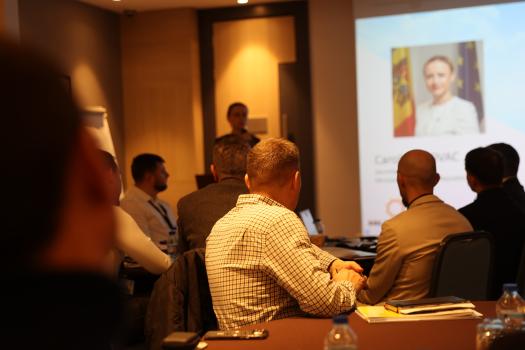
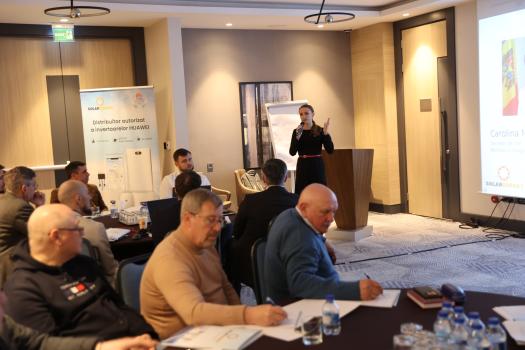
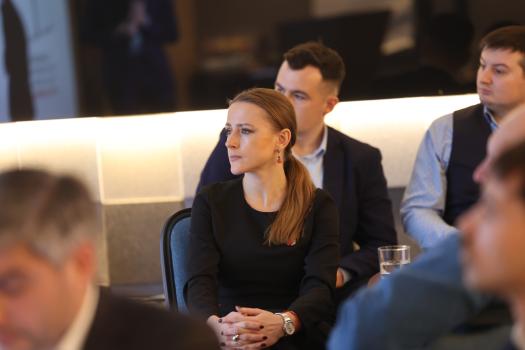


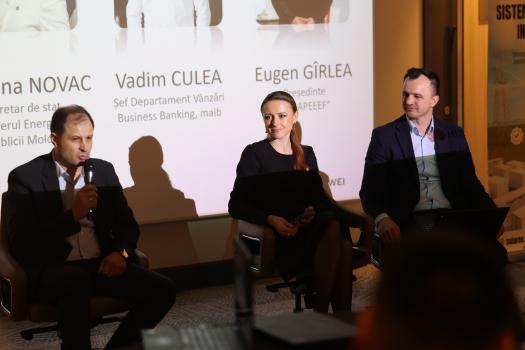
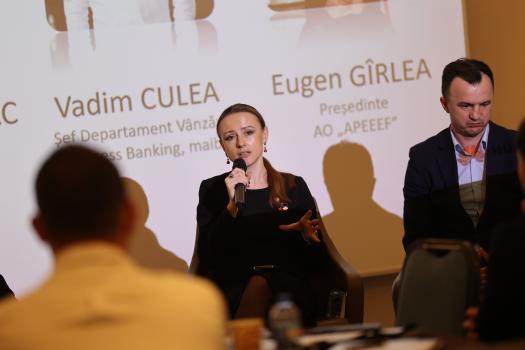
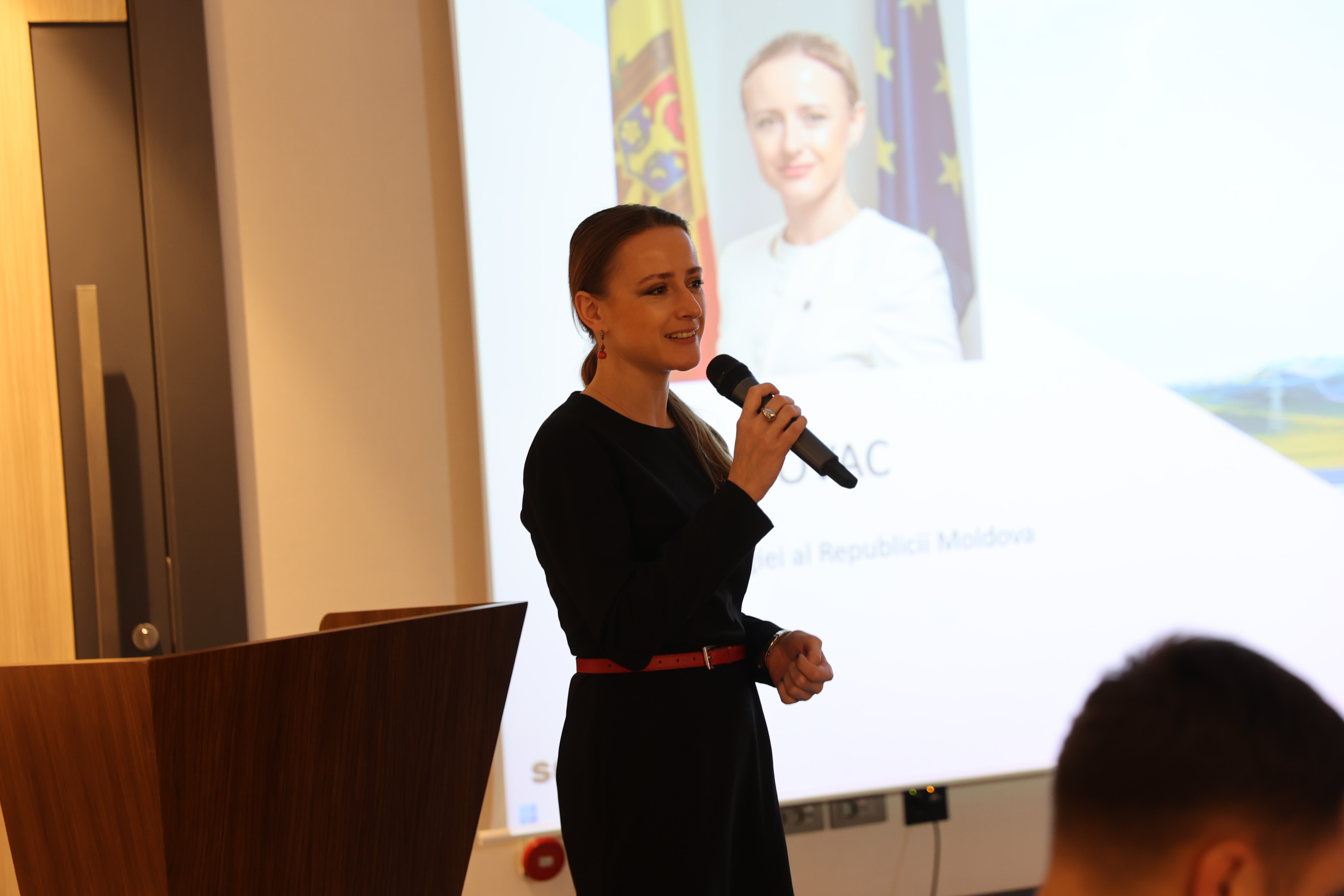
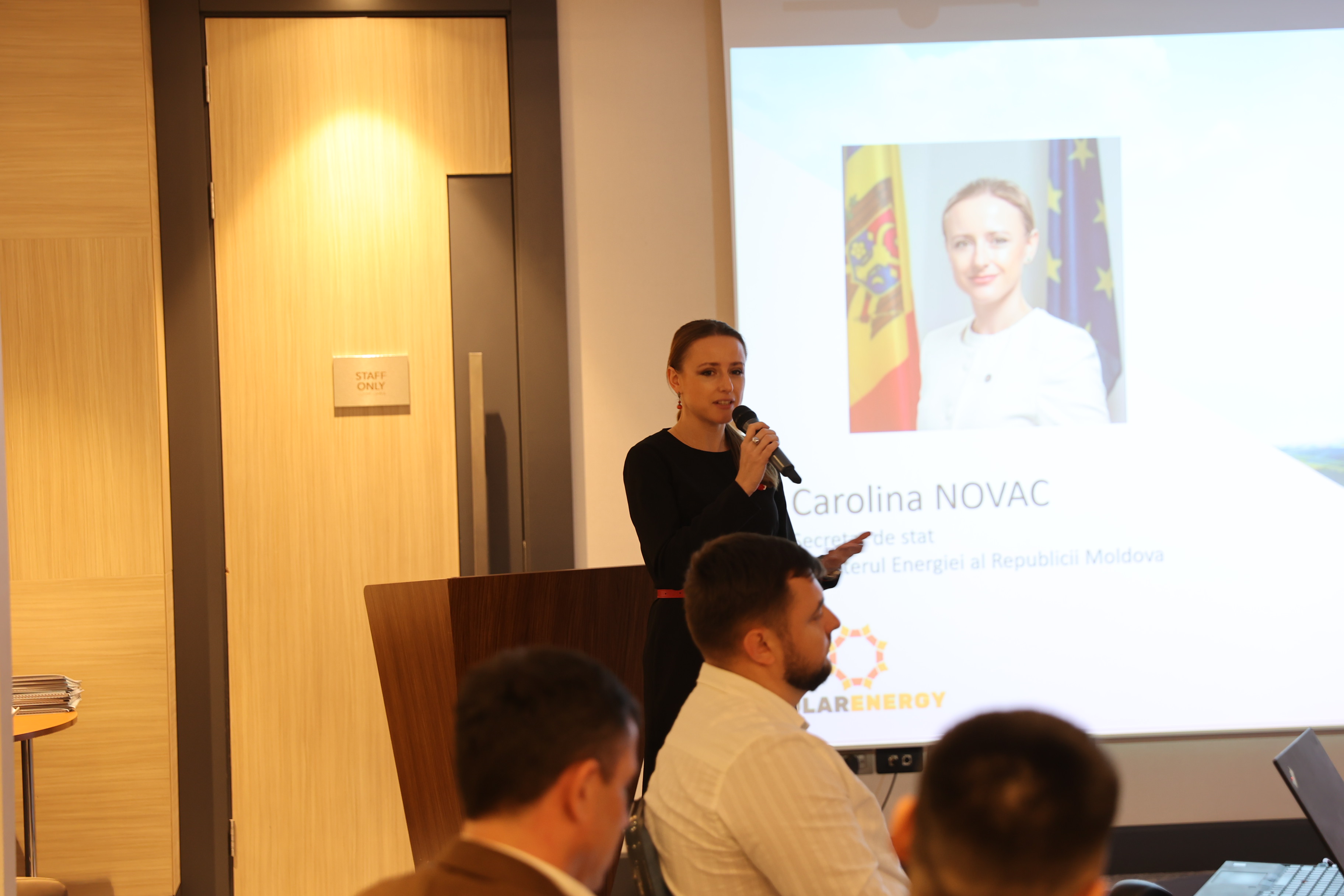
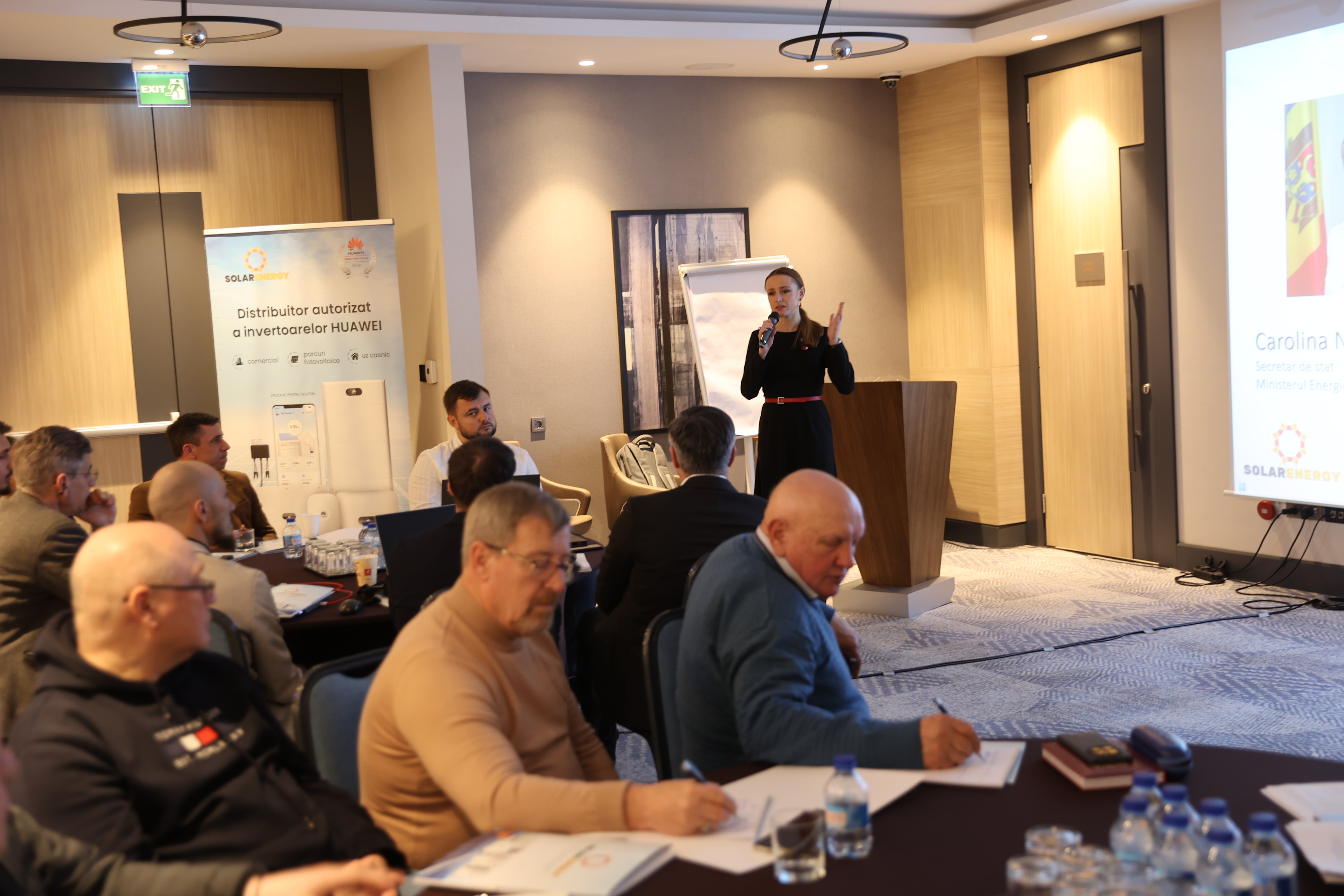
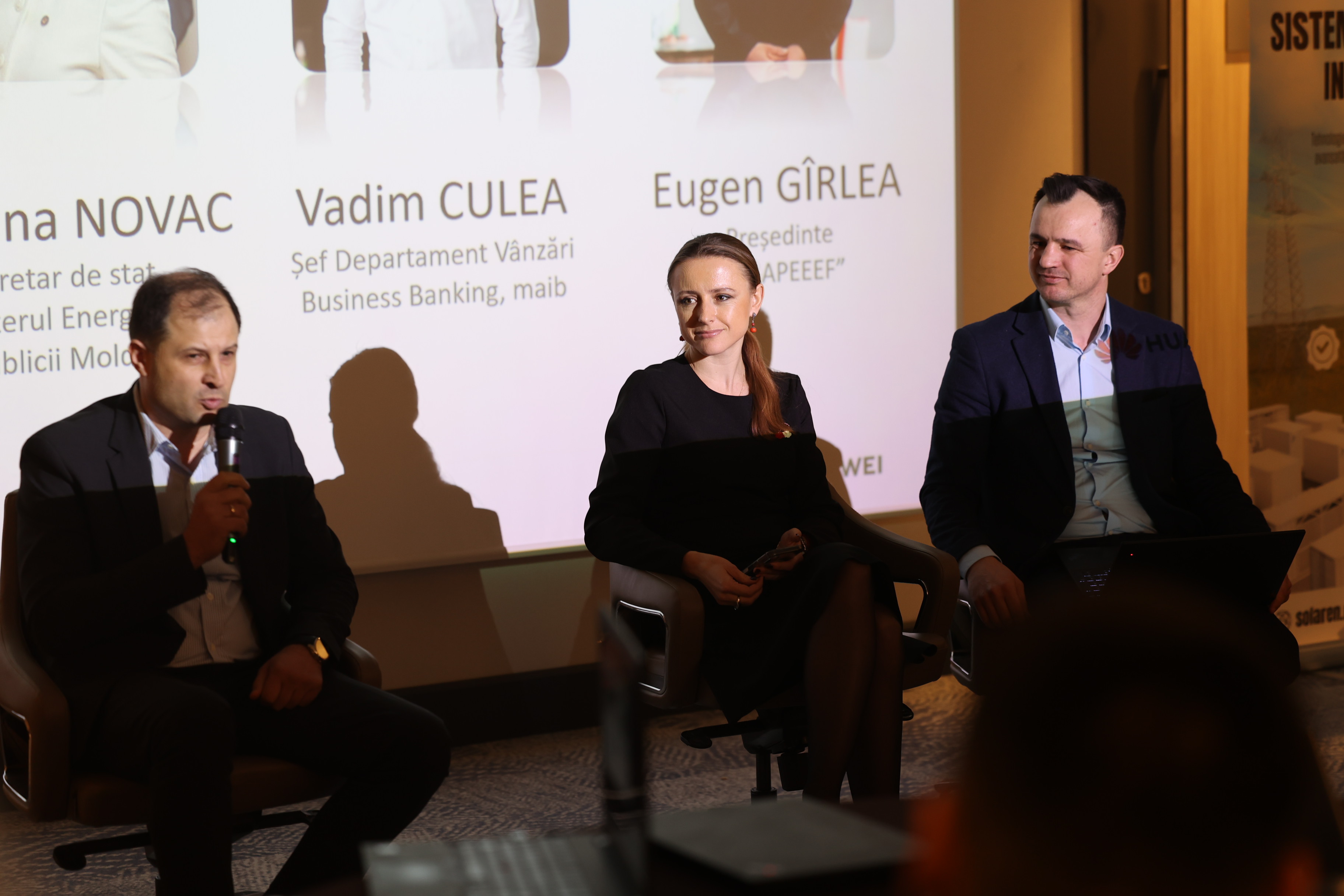
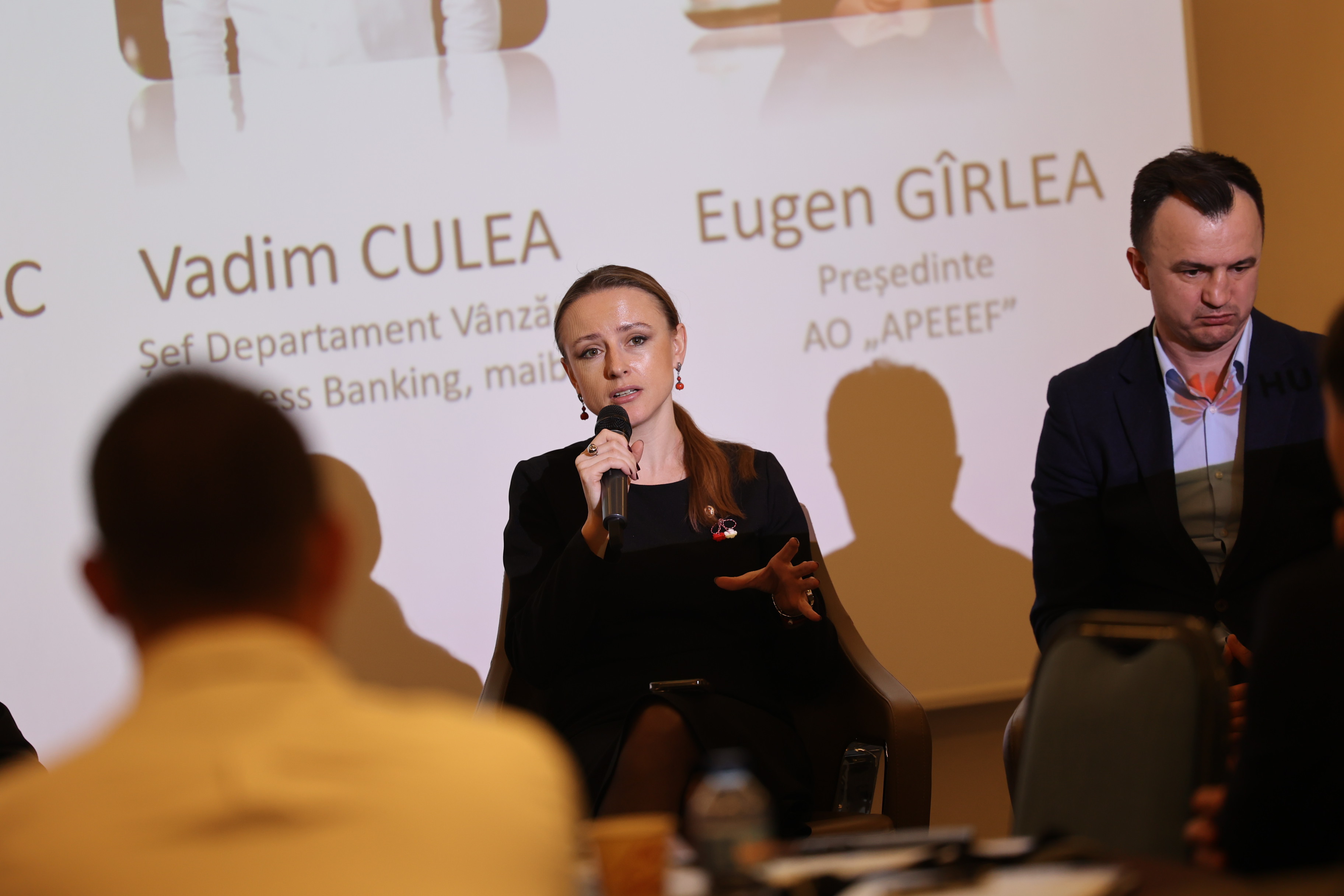
Carolina Novac, State Secretary at the Ministry of Energy of the Republic of Moldova, participated in the Huawei Utility BESS – Investment & Market Outlook Event, an event dedicated to battery energy storage solutions (BESS) and the development prospects of this segment in the context of growing renewable energy capacities.
The event brought together over 100 companies from the energy sector and related fields, including renewable energy project developers, investors, technology providers, and energy experts.
During her speech, Carolina Novac emphasized that battery energy storage systems (BESS) can be used for arbitrage contracts, participation in the balancing market, and covering peak consumption, thus contributing to the stabilization and flexibility of the electricity system.
The State Secretary noted that the National Center for Sustainable Energy (CNED) already provides funding for BESS systems under the Green Home program, and the Development Agencies have included BESS as a subcomponent in their modernization programs for SMEs, alongside the installation of photovoltaic panels. Additionally, the Ministry of Energy is currently running Auction 2 with BESS, for integrating storage capacities into wind and solar projects under the fixed-price support scheme.
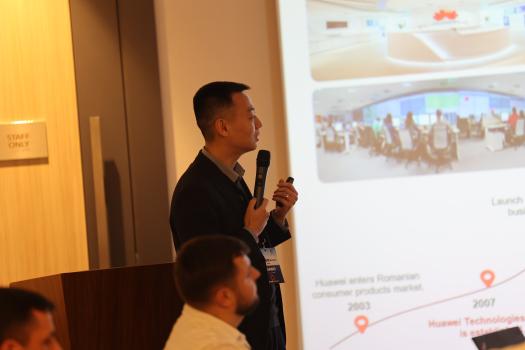
The event included presentations on experiences from other markets. In Romania, photovoltaic systems use modular batteries from the Huawei LUNA2000 series, which allow storage of energy produced by solar panels and its use when production is low, such as at night or during periods of low solar radiation.
Examples from the private sector in the Republic of Moldova were also presented. Navitas Energy operates 11 photovoltaic parks with a total capacity of over 28 MW, generating approximately 39 million kWh of electricity annually. Representatives of companies and members of the Association of Wind and Photovoltaic Electricity Producers in Moldova (AO APEEEF) also participated, promoting the development of wind and solar projects and supporting dialogue between the industry and authorities.
"The Republic of Moldova is approaching the threshold of 1 GW of installed renewable capacity, and the next stage of energy sector development involves the intelligent integration of these sources into the system. Energy storage technologies play a key role in ensuring flexibility, grid stability, and the full utilization of renewable energy," said Carolina Novac.
Images