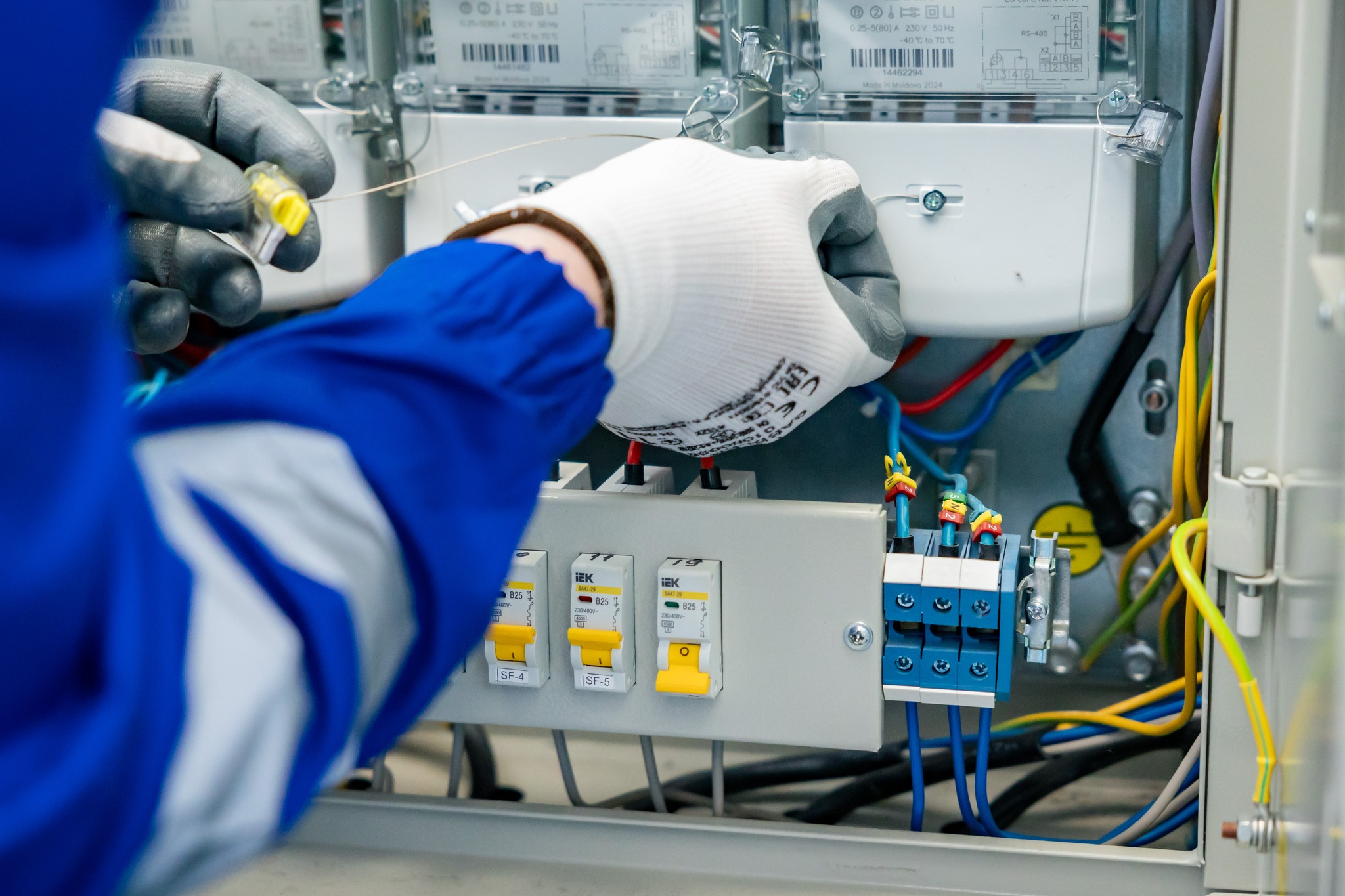
A new batch of smart meters will be installed at over 14,000 household and non-household consumers
02-01-2025 16:21
1,303
- 1303 reads

The digitalization of the energy sector in the Republic of Moldova advances with the delivery of the second batch of smart meters to distribution operators Premier Energy Distribution and RED Nord - an initiative funded by the Government of Italy, through UNDP Moldova. The pilot program was launched by the Ministry of Energy in 2023, in partnership with the United Nations Development Program in Moldova. The initiative contributes to a resilient energy infrastructure, increased operational efficiency, reduced energy dependence and alignment with European standards.
9,085 smart meters will be installed starting February 2025 to household and non-household consumers in the perimeter of the Center-South distribution network by Premier Energy Distribution, and 5,344 devices will be installed by RED Nord in the North distribution area. In addition to the meters, essential equipment for the creation of the smart metering infrastructure was also delivered, such as concentrators, servers, communication modules and other components necessary for the automatic transmission and processing of data.
This batch completes the first-stage installation of 3,000 smart meters, with the financial support of UNDP Moldova. By the end of 2025, 35,000 smart devices will be installed, representing 3% of the total 1.4 million electricity consumers.
“The electrification of the energy sector is inevitable in the transition to a low-carbon economy, and smart grids play a crucial role in integrating intermittent energy sources and ensuring a stable supply. The smart metering project is a first step towards the digital transformation of the energy sector. Beyond the fact that data will be read in real time, with the liberalization of the market, differentiated tariffs will give consumers the freedom to manage their own electricity consumption. We are confident that the pilot project will have positive results and thus the energy sector actors will have the certainty to invest in digitalization”, declared Cristina Pereteatcu, Secretary of State at the Ministry of Energy.
The places of electricity consumption that are to be equipped with smart meters are selected according to pre-established algorithms, depending on criteria such as geographical location, population density, level of energy vulnerability, socio-economic status and availability of existing technical infrastructure.
Smart meters will offer advantages for both consumers and electricity distribution operators. The devices measure and transmit data on energy consumption in real time, automatically, securely and without errors to the energy distributor, without the need to physically read the meters. To transmit data, the smart metering system uses overhead power lines through PLC (Power Line Communication) technology and the services of mobile operators. The centralized data is transmitted to a control system, which allows for the analysis of consumer behavior.
At the same time, smart meters will allow better monitoring of energy flows and quality parameters by distribution operators, identification of accidents, faster restoration of services in case of incidents, facilitation of the integration of renewable sources, as well as the introduction of flexible tariff structures, depending on the hours of consumption.
The data already collected within the pilot program is analyzed and will be used to develop new informed policies and pilot the differentiated tariff.
In the European Union, over half of the meters are of the smart type, which has allowed to reduce commercial consumption in the network by up to 15% and technical consumption by 5%. Smart networks are based on the need to reduce consumption to the maximum, worldwide, in order to stop the waste of resources and reduce the effects of global warming.
Images