The Ministry of Energy presented to local public authorities the concept of establishing energy communities in the Republic of Moldova
21-01-2025 10:39
744
- 744 reads

The Ministry of Energy presented the concept of creating energy communities to local public authorities, during an information session held with the participation of representatives of the Government in the territory, heads of territorial offices, as well as representatives of the Local Public Administration Directorate.
During the meeting, the participants were reiterated that any final energy consumer can become a member of an energy community. These can include individuals, homeowners' associations, non-profit organizations, small and medium-sized enterprises or local authorities.
"The main goal of energy communities is to promote energy autonomy, through their own generation of energy at much more advantageous prices, which will significantly contribute to increasing the competitiveness of the economy and developing new opportunities and jobs," said the Secretary of State of the Ministry of Energy, Carolina Novac, at the beginning of the meeting.
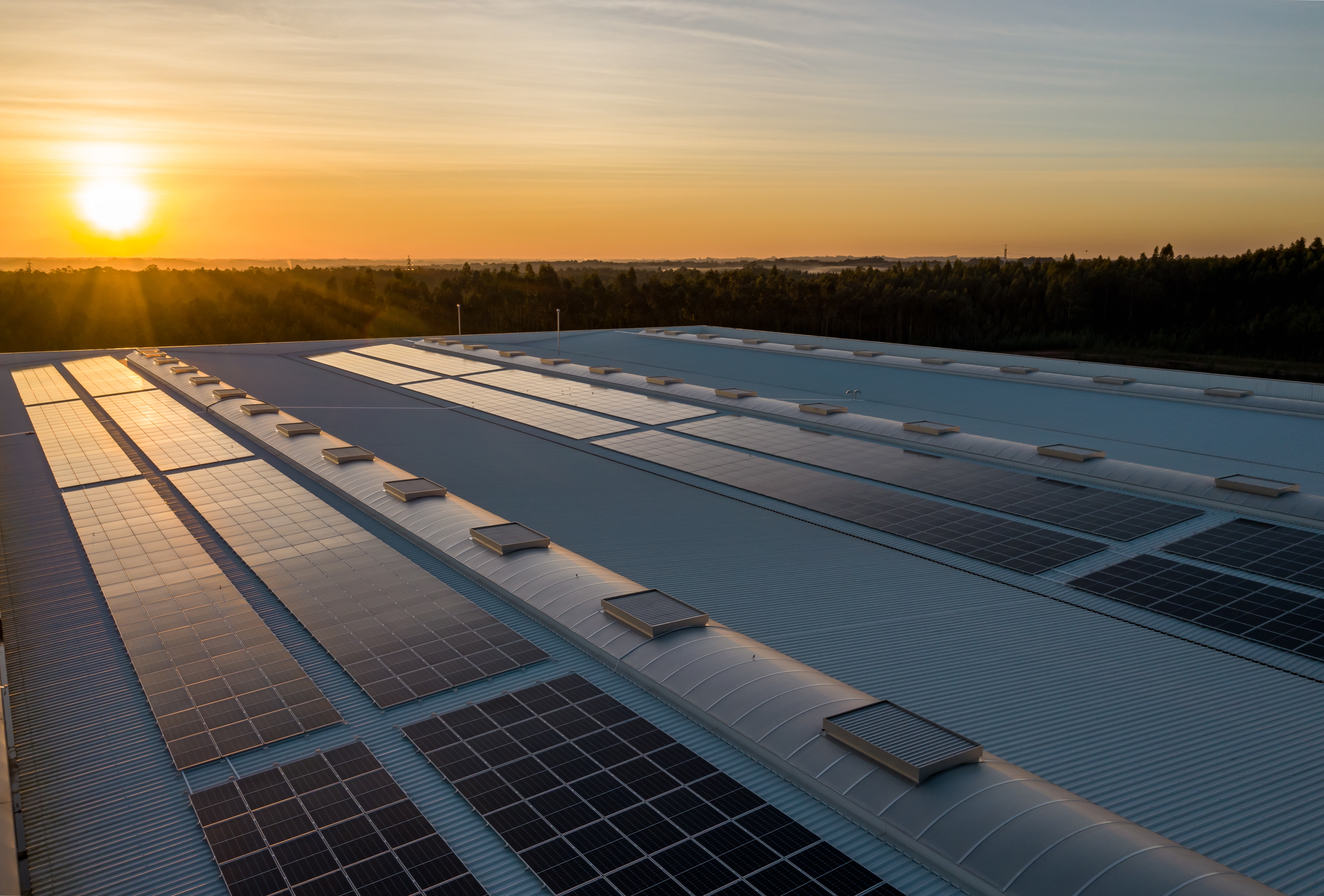
Renewable energy communities are autonomous entities, formed by local members, who collaborate for the production, consumption and distribution of renewable energy. Their main purpose is to bring economic, social and environmental benefits to the community, while reducing energy costs and promoting sustainable development.
Among the rights of those who are part of an energy community are:
Producing, consuming, storing, supplying and selling renewable energy.
Non-discriminatory access to energy markets.
Sharing the energy produced among community members.
Obligations include complying with legislative requirements, making a fair contribution to the costs of the energy system and notifying ANRE of changes to the statute.
For members, energy communities mean reducing energy costs through local renewable energy production and the possibility of having direct control over consumption and decision-making. At the same time, for communities, the development of local renewable energy production centers stimulates the local economy and creates jobs.
In terms of energy security, energy communities improve resilience to crisis situations, and by efficiently managing energy consumption, they contribute to reducing pressure on national energy networks.
The development of energy communities in the Republic of Moldova is financially supported by international development partners. Among them is USAID Moldova, which provides assistance through the Moldova Energy Security Project (MESA) for the development of renewable energy communities by removing existing barriers, proposing optimal solutions and implementing a pilot program that helps to carry out technical studies, legal advice and monitoring the impact of the development of energy communities.
Recently, UNDP Moldova launched a competition to select two NGOs to pilot the first renewable energy communities in order to support local initiatives that improve energy governance and energy resilience at the local level. In this regard, grants of 100,000 USD each will be offered.
The German Energy Agency (DENA) also proposes support for strengthening local authorities in the process of establishing energy communities, strengthening the capacities of municipalities, technical and regulatory consultancy for stakeholders and communication measures. Thus, 8 localities in the country will benefit from personalized concepts for energy communities, and local authorities are supported in identifying financing instruments for technical equipment.
And INTERREG Danube Region offers financial support for creating the necessary conditions for the development of energy communities in the Danube region, promoting the transition to renewable energy sources and community energy initiatives.
The Ministry of Energy will continue to support local authorities in the development of these communities, by providing technical consultancy, legislative support and identifying necessary financing sources, thus reiterating its commitment to promoting a sustainable and efficient energy system, by implementing energy transition policies and developing renewable energy sources.
Images