Ministry of Energy: More Than Half of the Commitments under the Energy Chapter Have Been Fulfilled
- 365 reads


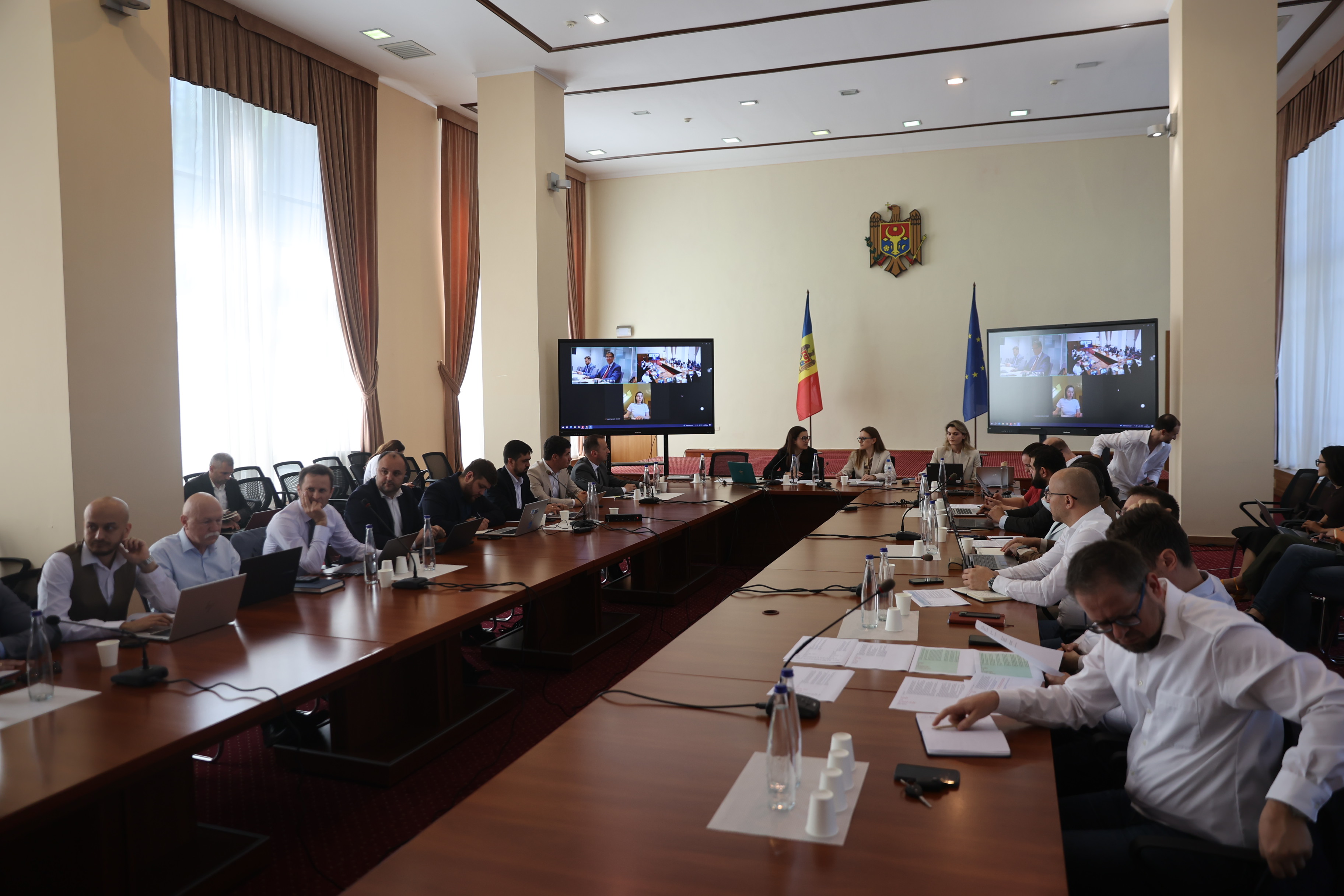
The Republic of Moldova continues to make progress in its European integration process in the energy sector. The country has recorded significant advances both in implementing legislative reforms and developing strategic infrastructure. The results were presented during the first Monitoring Session on the Benchmark Criteria for the closure of Chapter 15 – Energy, where progress in aligning with the European Union acquis was reviewed.
Of the 130 transposition and implementation actions identified to meet the benchmark criteria, 79 have already been completed, representing 61% of the commitments undertaken by the Republic of Moldova in the accession process.
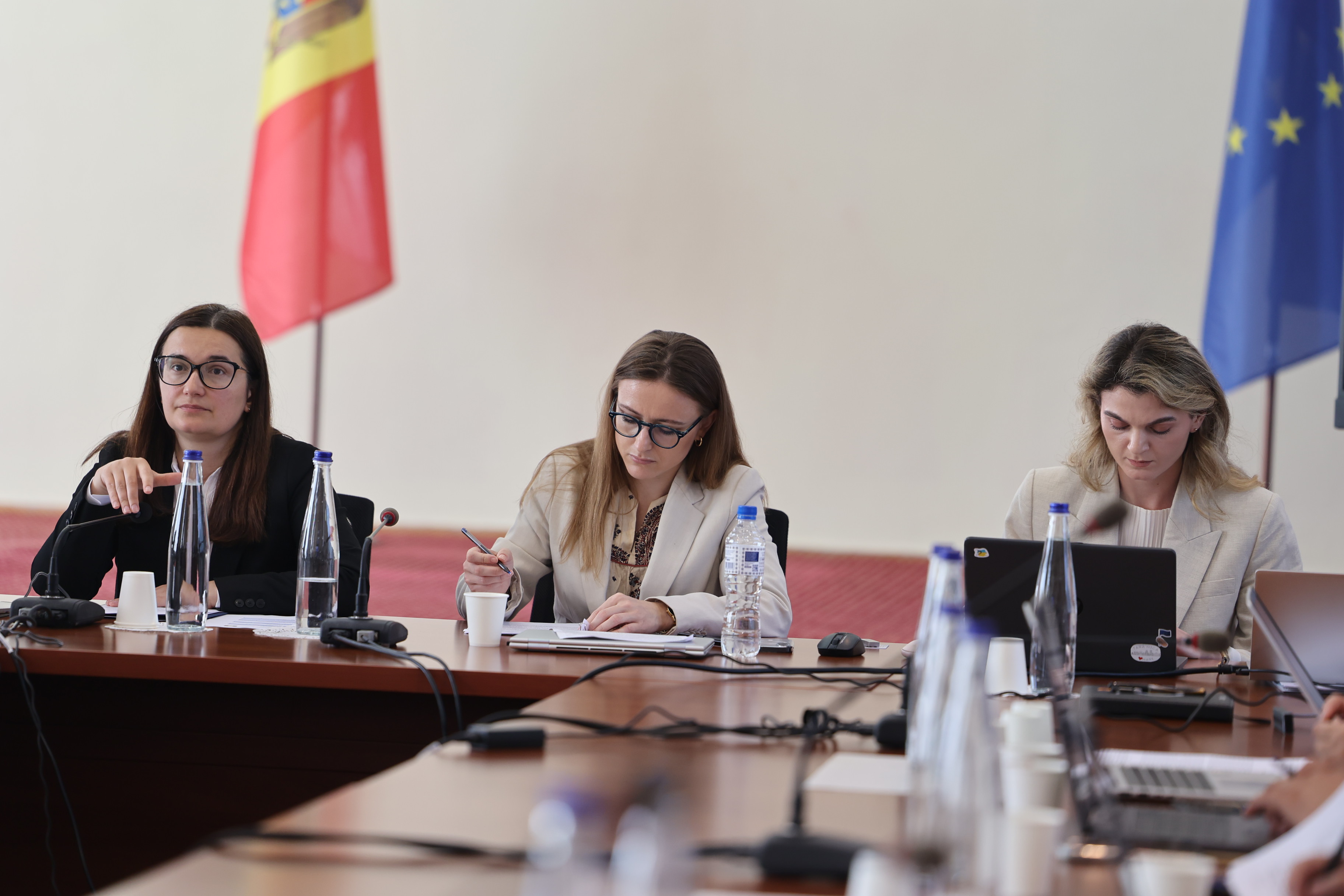
State Secretary at the Ministry of Energy, Carolina Novac, stated that these results reflect sustained institutional efforts and a clear direction towards modernising the energy sector in line with European standards.
“The Republic of Moldova is steadily advancing in the process of European integration in the energy sector. The reforms we are implementing share a common objective: creating a secure, competitive energy system fully integrated into the European Union’s energy market. The progress achieved demonstrates the capacity of our institutions to deliver concrete results at a sustained pace,” stated Carolina Novac.
Furthermore, the Republic of Moldova has aligned its legislation with the Regulation on the Security of Gas Supply and the EU acquis concerning emergency oil stocks, including by designating a competent authority responsible for managing energy reserves and initiating the process of establishing an effective storage system.
The Republic of Moldova is also seeing growing interest in energy efficiency programmes for residential buildings, implemented through three main financing mechanisms aimed at renovating buildings and reducing energy consumption.
The first mechanism supports the energy renovation of multi-apartment buildings through homeowners’ associations. In 2025, energy audits were carried out for 41 apartment buildings, technical designs were prepared, contracts were signed, and procurement procedures were launched. More than 200 applications were received in 2025, 141 contracts were signed, and renovation works have begun.
The third programme, “Casa Verde” (Green House), supports investments in energy efficiency and renewable energy for individual homes. The first call, launched in July 2025, received 745 applications, while the second call, launched in March 2026, attracted 1,000 applications in just a few days, confirming the strong public interest.
Regarding Chapter 21 – Trans-European Networks for Energy (TEN-E), the authorities highlighted that Moldova’s efforts are focused on connecting the national energy infrastructure to the European Union’s networks, particularly in the electricity and natural gas sectors, with the aim of strengthening the security and resilience of energy supply.
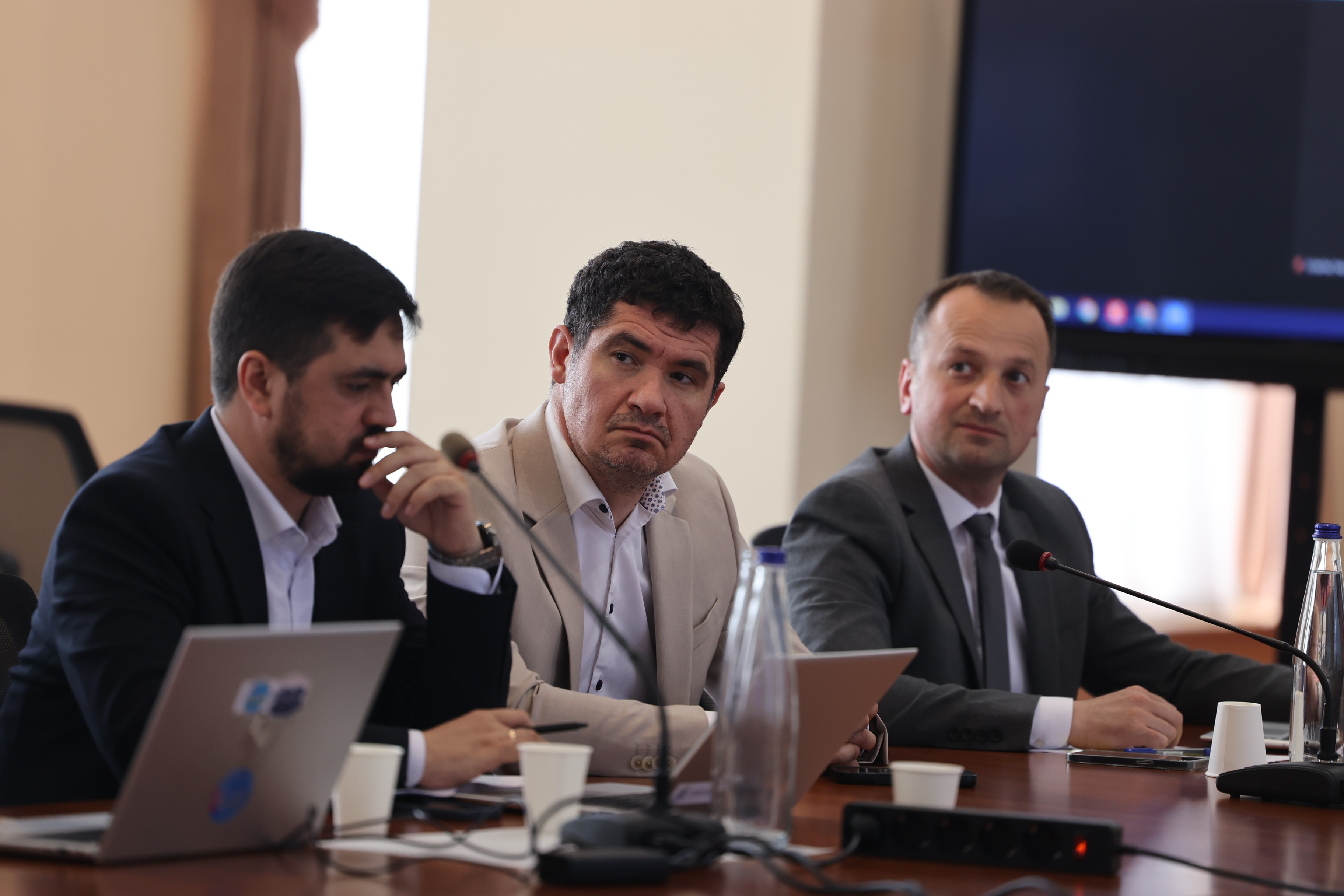
During the Monitoring Session, Carolina Novac emphasised the importance of this process for Moldova’s European energy integration.
“Integration into European energy networks is a strategic priority for the Republic of Moldova. By developing interconnections and harmonising legislation, we are reducing the vulnerabilities of the energy system and increasing the security of supply for citizens and the economy,” the State Secretary stated.
The Republic of Moldova is also advancing the development of strategic energy infrastructure, with three 400 kV electricity interconnections identified as priorities: Vulcănești–Chișinău, Bălți–Suceava and Strășeni–Gutinaș. These projects will significantly strengthen Moldova’s interconnection with Romania and the European electricity network, thereby enhancing the country’s energy security.
The completion of the Vulcănești–Chișinău transmission line and the modernisation of the associated electrical substations represent essential steps towards reducing the vulnerabilities of the national energy system and strengthening its resilience.
In addition, the project for the construction of the second circuit of the 330 kV Bălți–Dniester Hydroelectric Power Plant transmission line was included in the list of Projects of Energy Community Interest (PECI) in 2024 and was reconfirmed for the 2026 PECI list following the completion of the pre-selection stage.
The implementation of this project will bring substantial benefits to both countries. In particular, it is estimated to increase the net transfer capacity by approximately 500 MW, strengthening regional energy security and creating additional opportunities for the integration of renewable energy sources.
Images