Local Public Authorities Learn Best Practices in Energy Management within the LEEN Network
- 962 reads


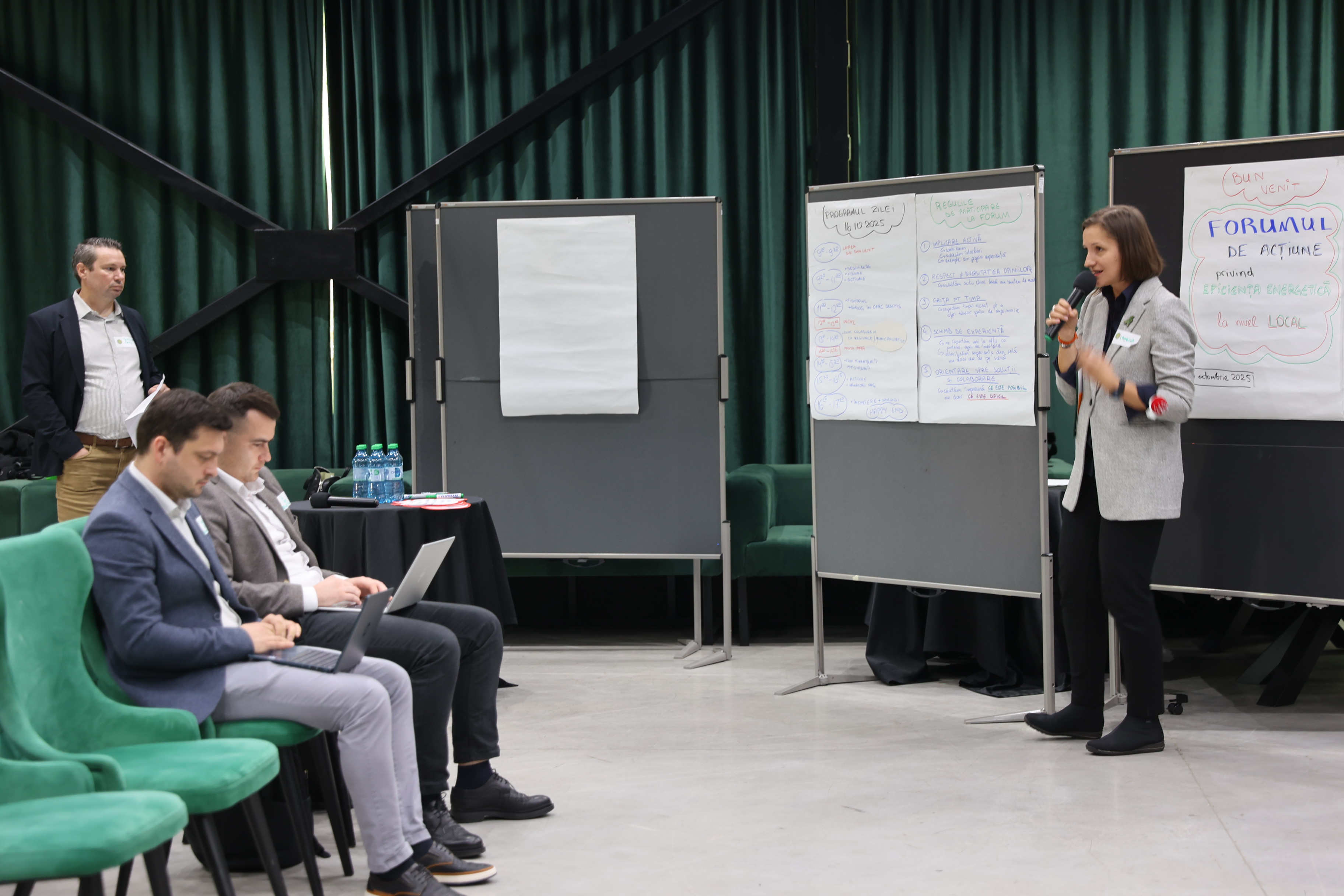
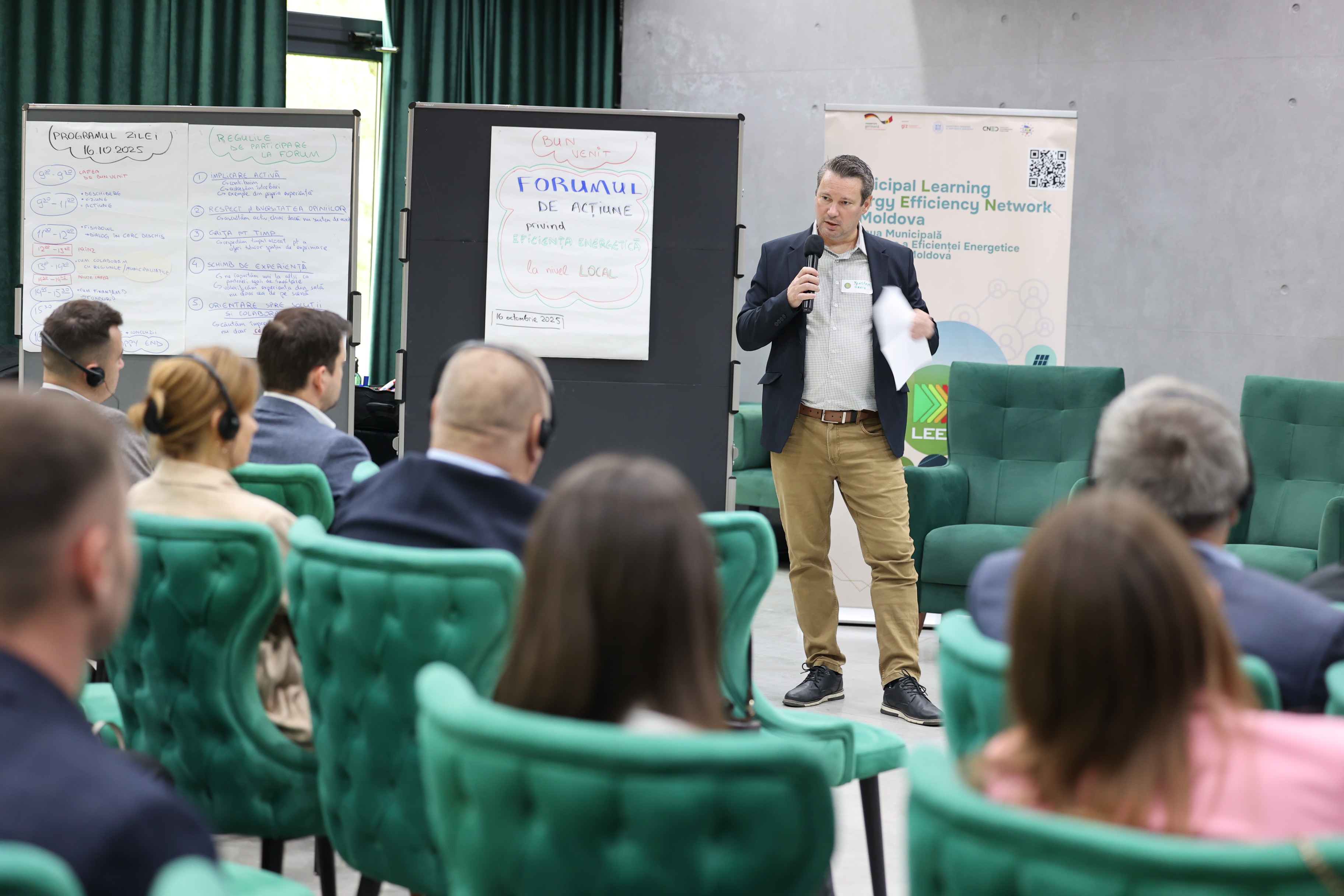
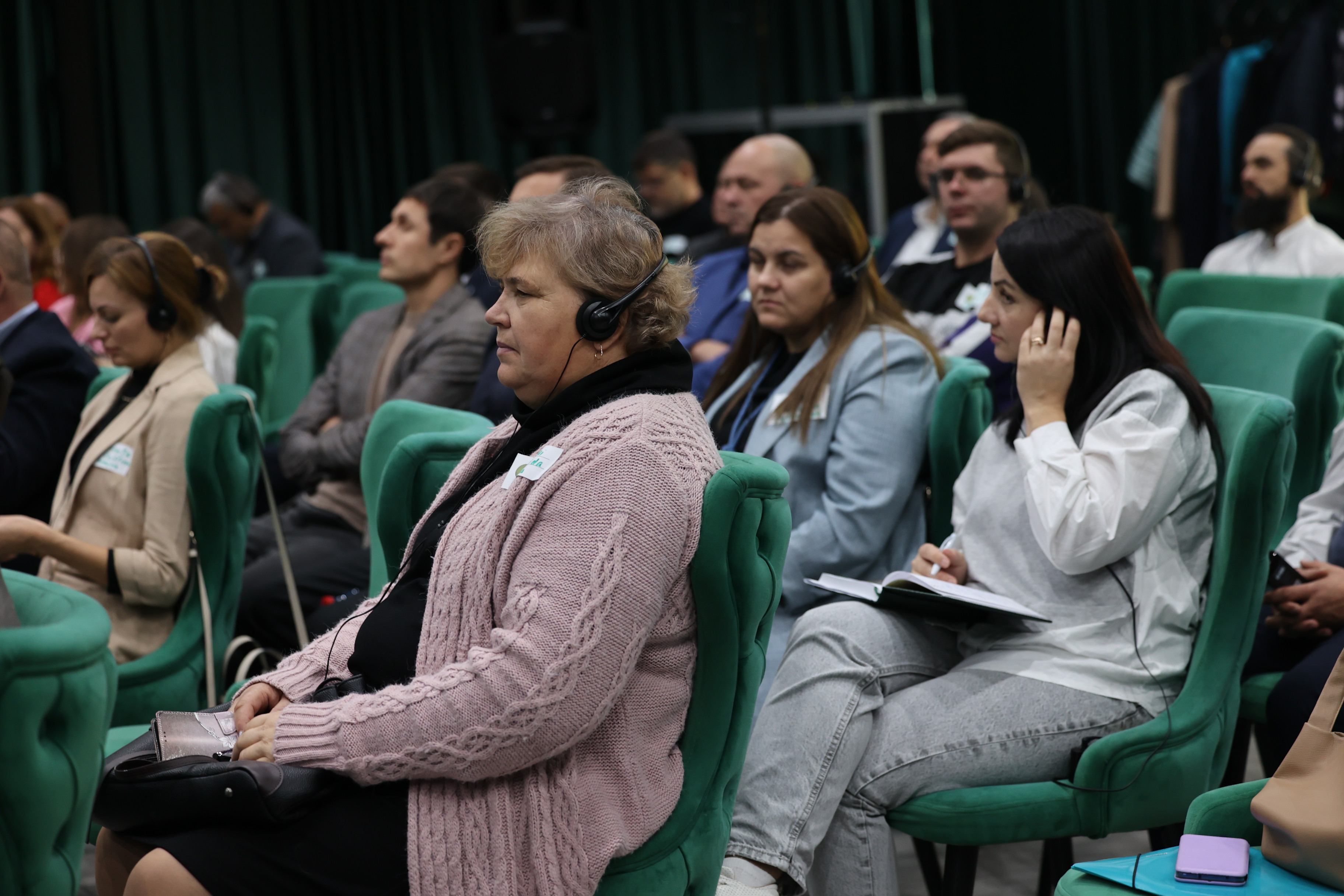
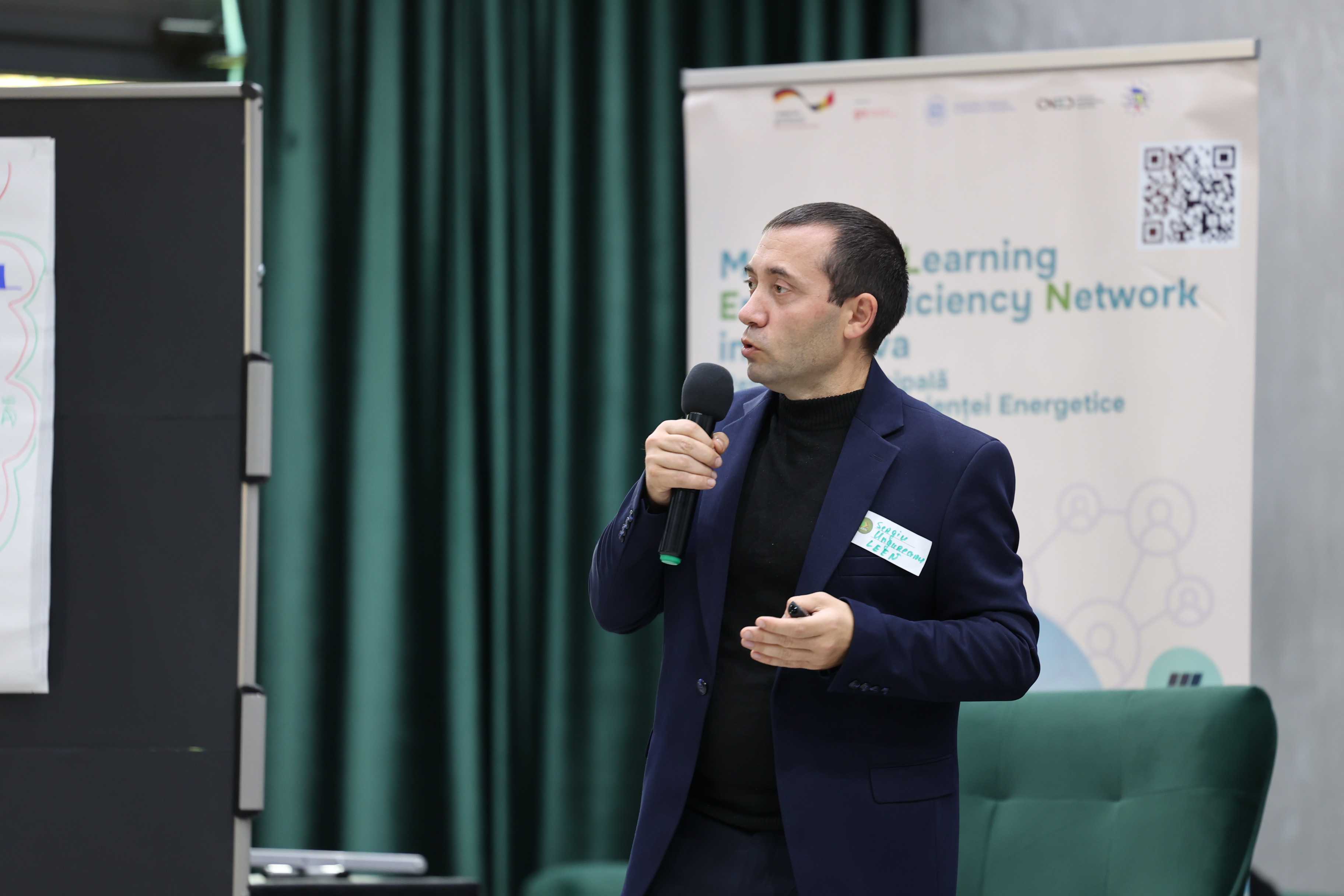
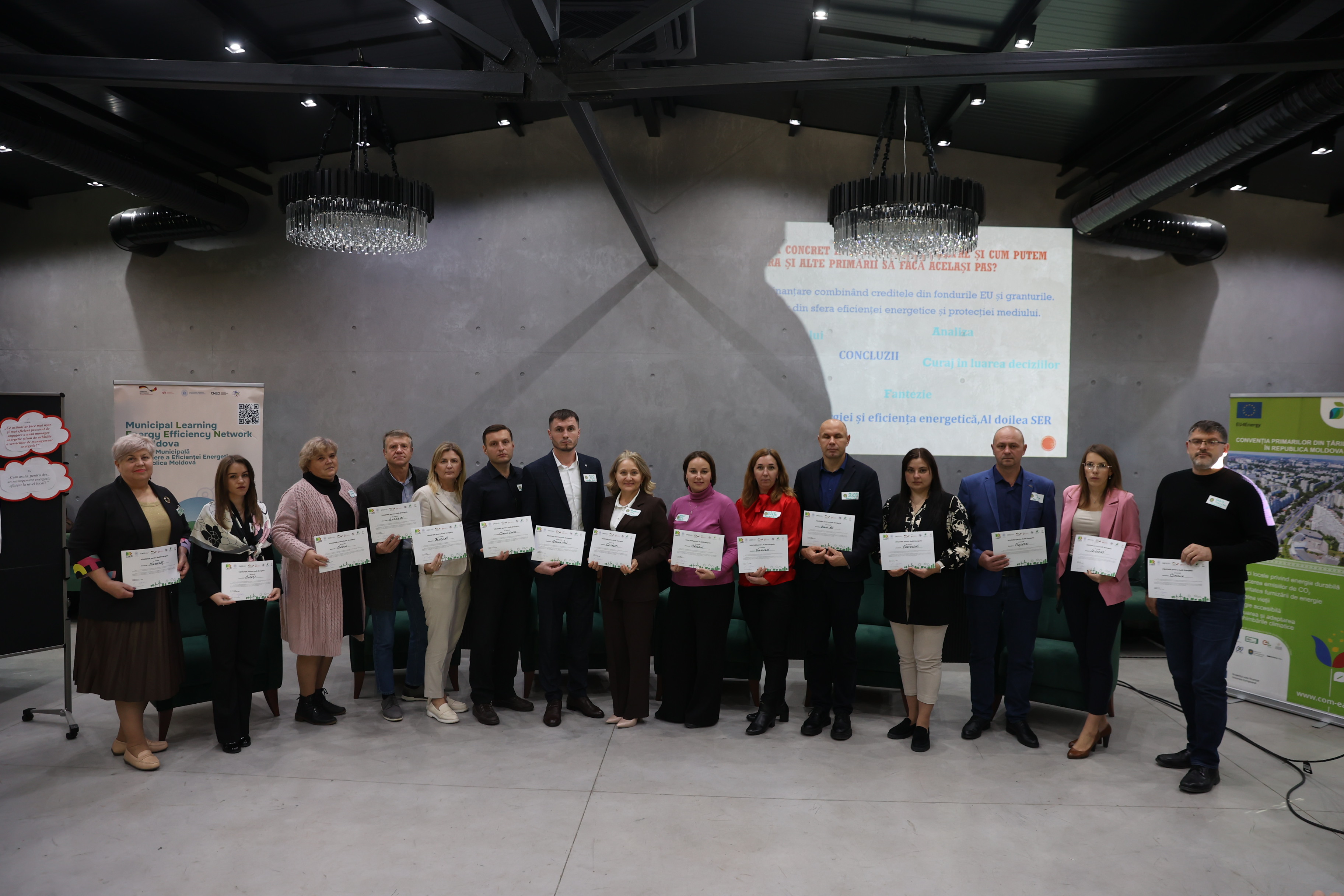
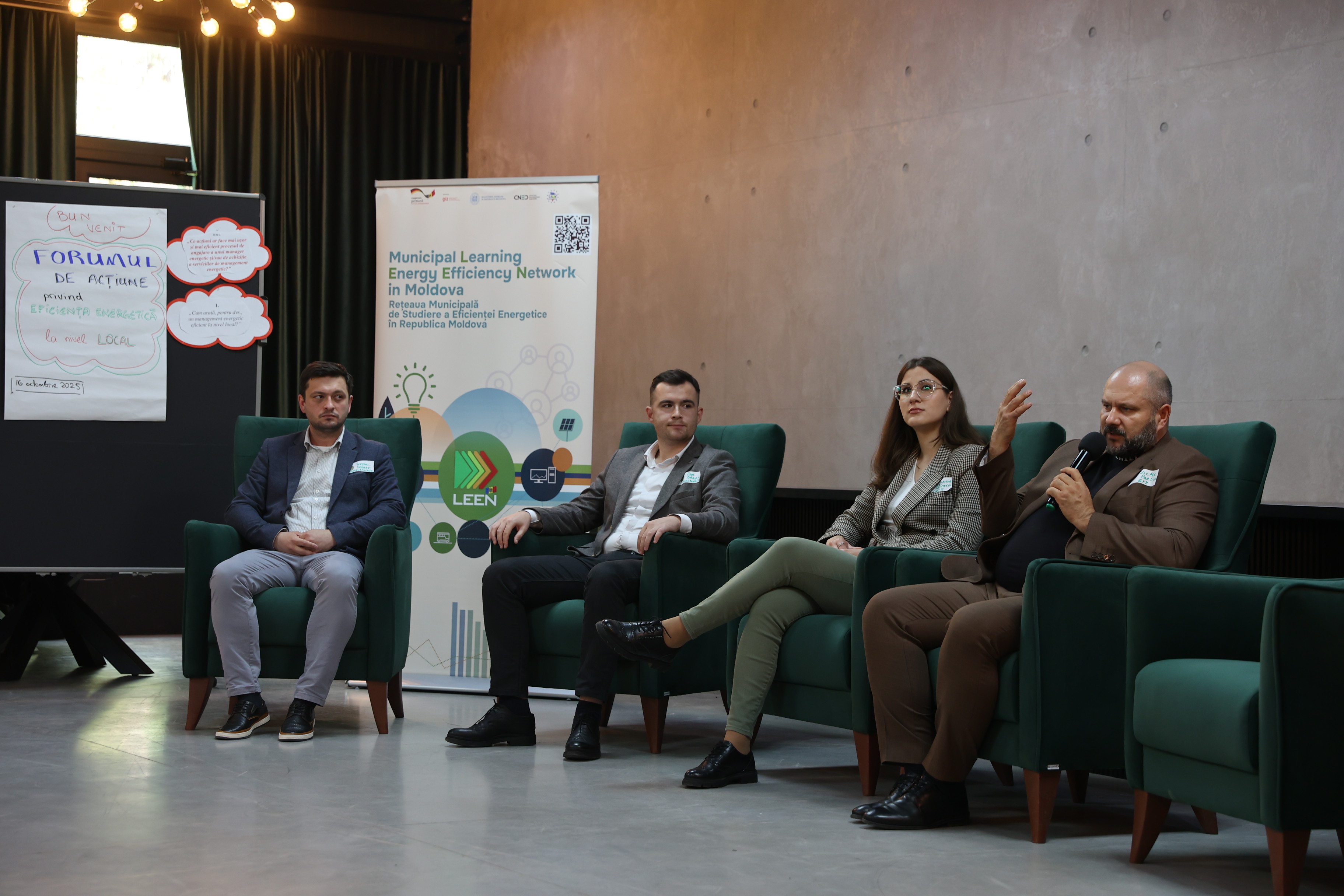
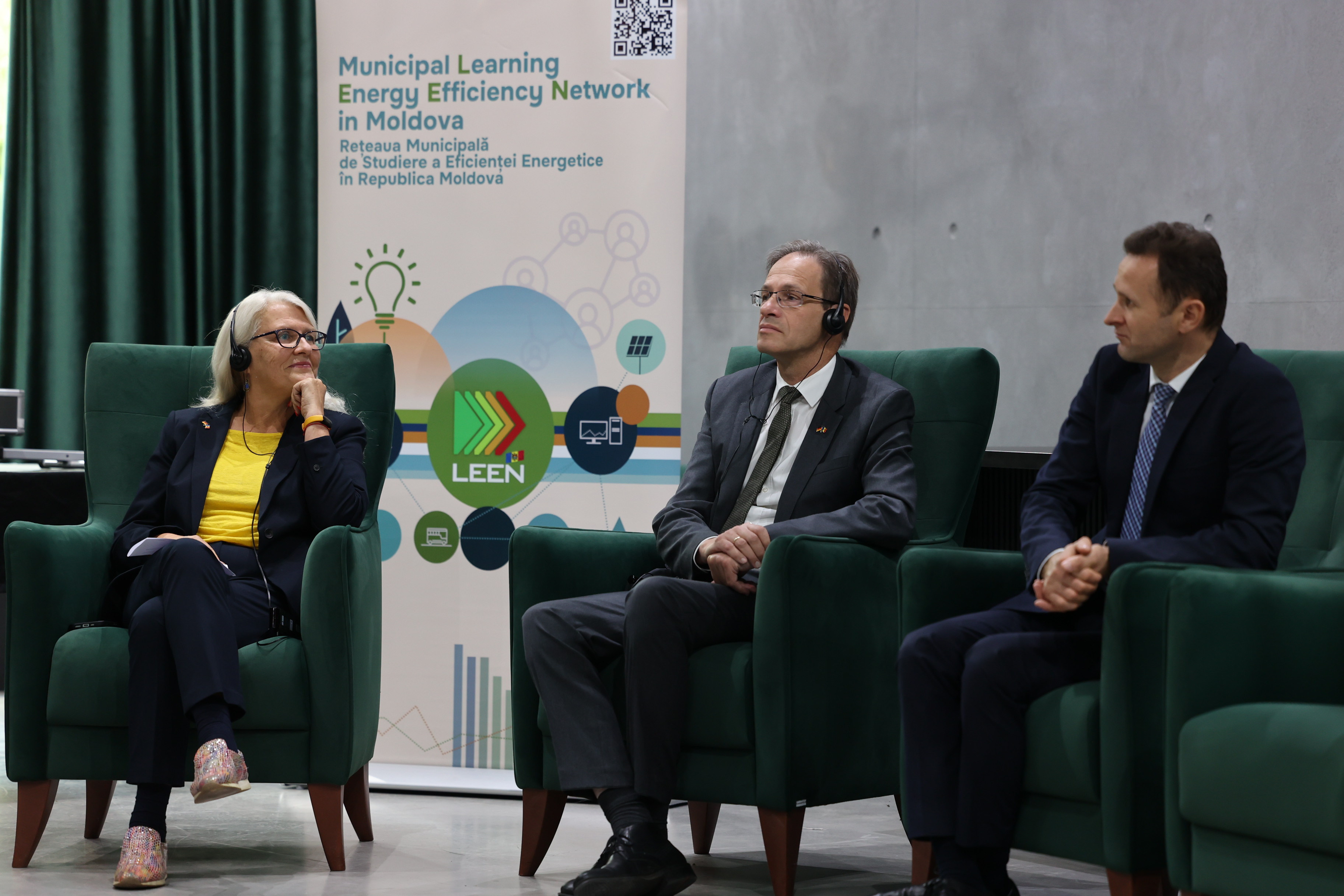
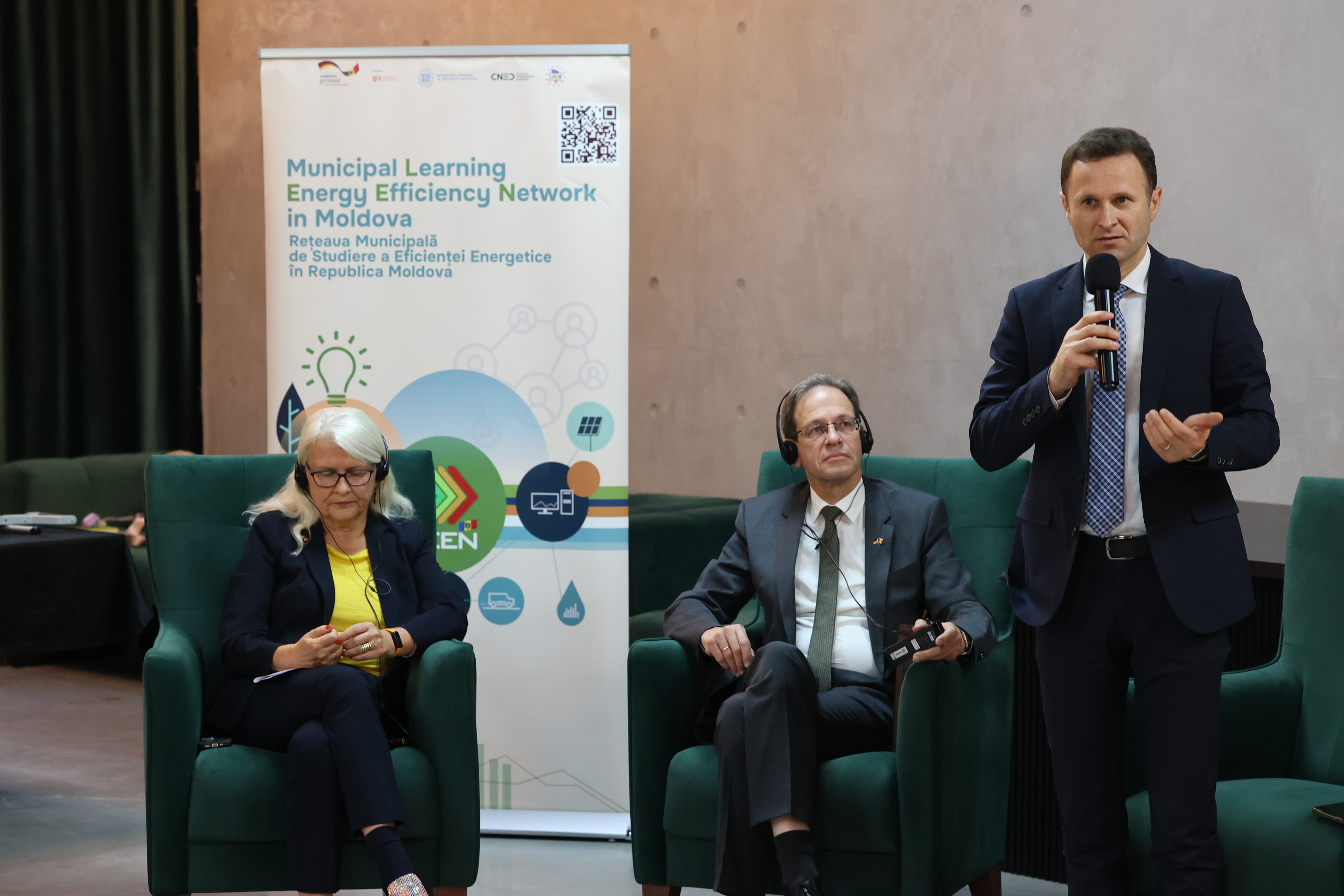
Optimal solutions and international best practices in the field of energy management — including the joint employment of energy managers by several municipalities — were presented during a workshop organized by the Learning Energy Efficiency Networks (LEEN).
The workshop was organized by the Alliance for Energy Efficiency and Renewables (AEER) with the support of the E4M project, implemented by GIZ Moldova in cooperation with the Government of the Republic of Moldova, financed by the Government of Germany and co-financed by the European Union, Norway, and Denmark.
According to the Law on Energy Efficiency, the districts and the 13 municipalities of the Republic of Moldova are required to develop local energy and climate plans that reflect the country’s commitments included in national policy documents. These plans are developed and implemented with the support of energy managers — specialists responsible for monitoring energy consumption and implementing energy efficiency measures.
“Energy is extremely important for any economy, and implementing energy efficiency measures is like finding oil in your own backyard, because the energy we don’t consume is the cheapest and most environmentally friendly. By improving the energy balance of your community, you contribute to the country’s energy security and independence, as well as to ensuring peace and stability in Europe,” said Hubert Knirsch, Ambassador of Germany to the Republic of Moldova.
Claudia Hermes, Country Director of GIZ Moldova, also emphasized the commitment of the German partners to strengthen cooperation in the energy field, support energy efficiency initiatives, and promote dialogue between the public sector, the business environment, and local communities.
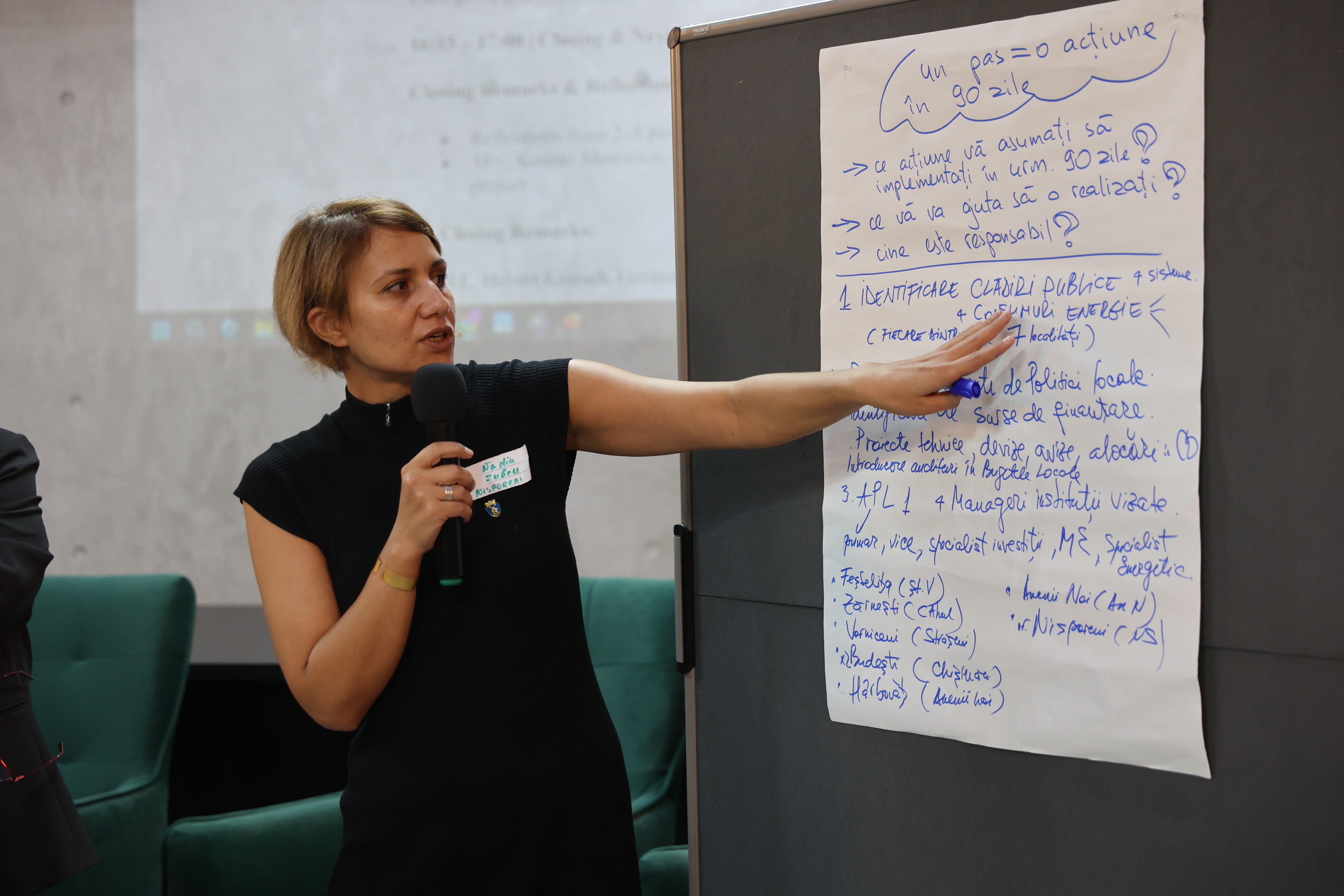
Often, the employment of an energy manager by local authorities is hindered by budget constraints, and the LEEN networks aim to reduce energy consumption and CO₂ emissions. Since hiring an individual energy manager per municipality is often financially unrealistic, one of the proposed solutions is sharing a professional specialist among several municipalities through inter-municipal cooperation.
“By jointly hiring an energy manager, public authorities can benefit from shared data systems and comparative analyses, increased access to grants and technical assistance, greater trust, and faster results. In Germany, over 400 municipalities have joined regional networks, achieving average energy savings of 5–10% within the first three years,” said Marco Buechel, BMZ Component Manager, presenting updates on E4M activities.
The LEEN concept involves the exchange of experience among representatives of local public authorities, while the project supports the strengthening of energy management capacities within the LPAs.
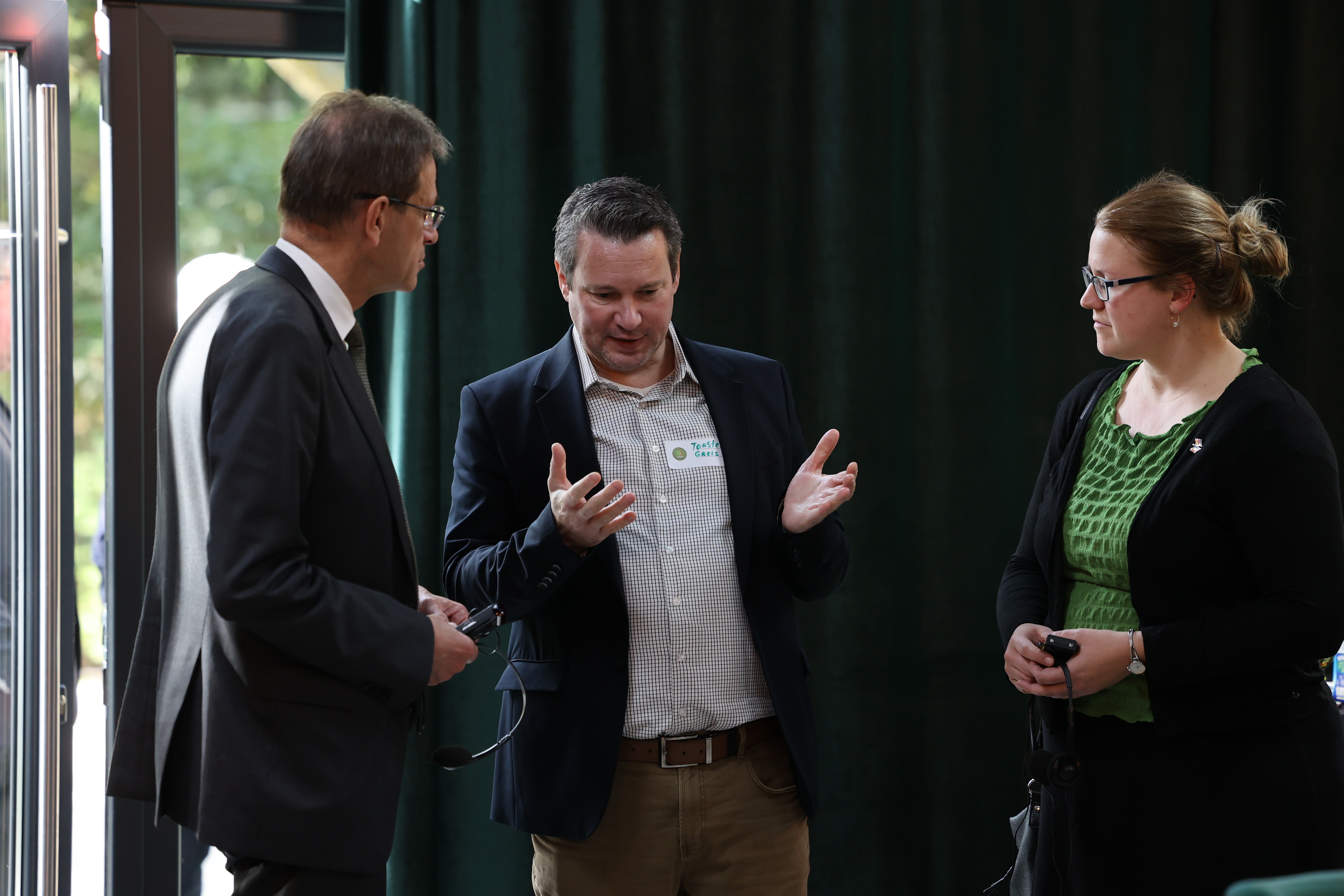
“Local authorities already have many responsibilities, but energy management is crucial because it allows you to reduce costs related to energy resources. For example, investments of €1.5 million in the energy renovation of the Mihai Eminescu High School in Ungheni will be recovered in 10 years, and over 20 years will generate savings of almost €3 million,” said Torsten Greis, Project Manager of E4M, GIZ.
The existence of an integrated local plan on energy and climate, developed by local public authorities, is also a prerequisite for obtaining funding or co-financing for energy efficiency projects from budgetary resources and/or from funds provided by development partners mobilized by the Government.
During the information sessions, several pilot projects from the Republic of Moldova were reviewed, along with the experiences of regions and municipalities from Ukraine.
“Ten years ago, we had to go to Germany to learn from such success stories, but now we can exchange local experiences among Moldovan municipalities — and that’s something I’m glad to see. We have already launched financing instruments for the residential sector, and we are now preparing products for financing local public authority projects,” said Ion Muntean, Director of the National Center for Sustainable Energy.
LEEN (Learning Energy Efficiency Network) is a network that connects local public authorities and promotes the exchange of experience and knowledge in the field of energy efficiency among participants. At the same time, LEEN aims to facilitate the creation of an energy management system at the local and regional levels.
Images