Green House: Government Launches New Grant Call with a Budget of 200 Million Lei for Energy Renovation of Individual Homes
- 279 reads


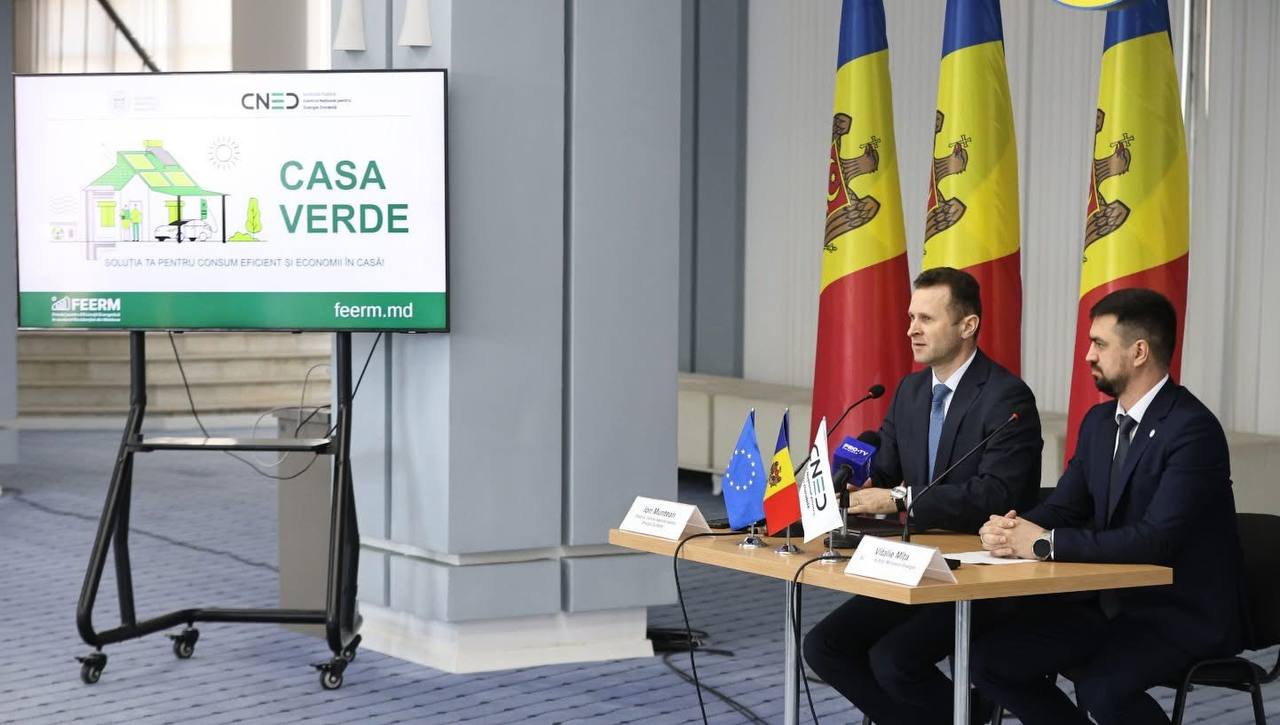
The Government of the Republic of Moldova is providing citizens with an important financing opportunity for the modernization of individual homes. Another 1,000 households across the country will be able to receive non-reimbursable funding of up to 200,000 lei for energy renovation of their homes through the second application call for the Green House program, launched on March 18, 2026.
The Green House financing product was developed under the Government Program “Fund for Energy Efficiency in the Residential Sector of Moldova” (FEERM), managed by the National Center for Sustainable Energy. Green House provides non-reimbursable support covering 50% of the investment value, up to 200,000 lei per household (individual homes or homes under construction), for investments aimed at reducing energy losses and modernizing energy consumption systems.
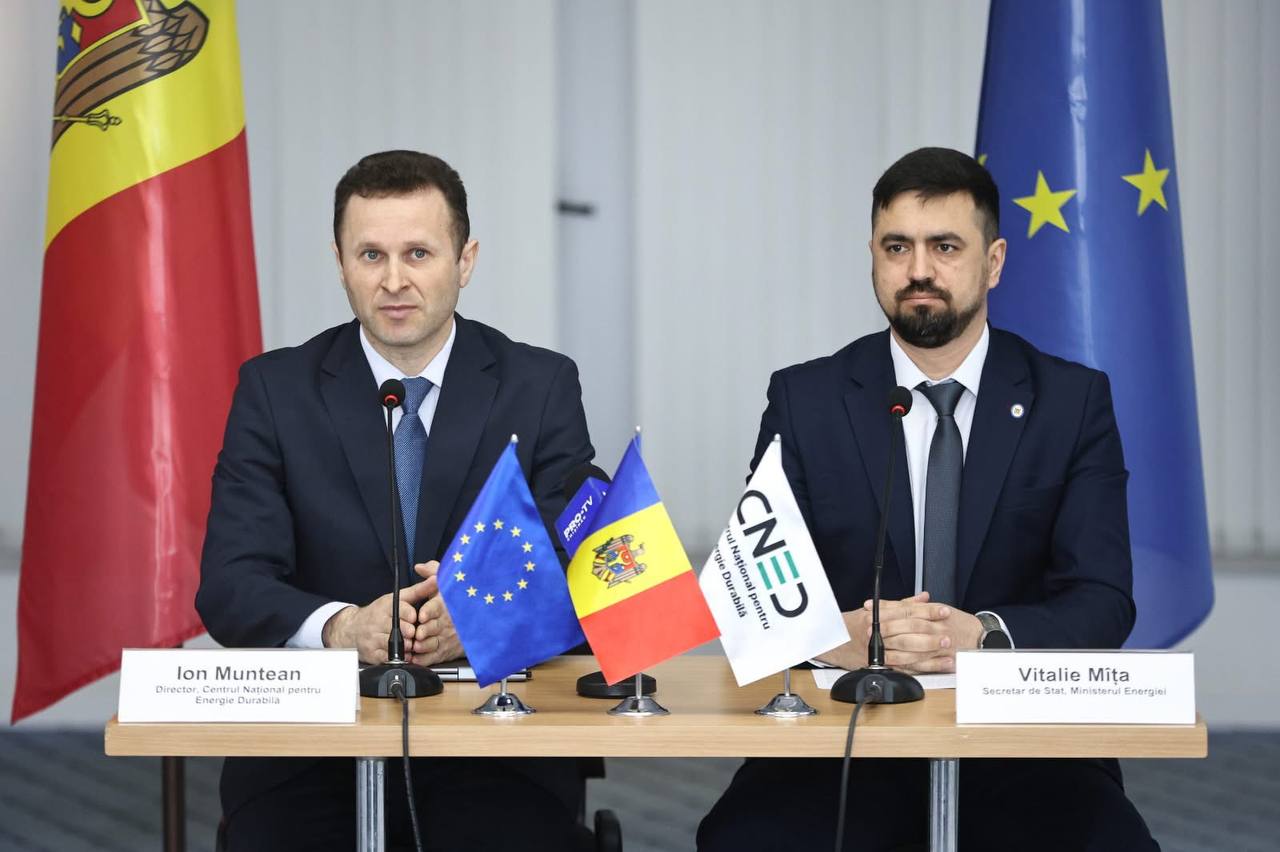
“Green House addresses a real need among citizens by offering an accessible solution to reduce energy bills through the adoption of modern energy efficiency technologies. We are already seeing results from the first call in 2025 – beneficiaries who implemented energy efficiency and renewable energy measures with state support are saving on bills and enjoying increased comfort at home. For the second call, 200 million lei from the state budget have been allocated, allowing more households across the country to benefit from non-reimbursable funding for energy renovation,” said Ion Muntean, Director of the National Center for Sustainable Energy.
Through the Green House financing product, the state encourages investments in sustainable homes, thereby contributing to energy consumption reduction, lowering costs for citizens, and protecting the environment.
“Each energy-efficient home is a step toward the country’s energy independence, as well as lower bills while maintaining the same comfort level for citizens. For an average individual home of about 100 m², a full renovation package can reduce annual heating energy consumption by up to 13 MWh. At current tariffs, this translates into savings of approximately 18,000 lei per year for natural gas heating and up to 50,000 lei annually for electric heating,” stated Vitalie Mîța, State Secretary at the Ministry of Energy.
In the 2026 edition of the Green House financing product, eligibility criteria were adjusted to allow families without children to apply. To ensure balanced nationwide distribution of financial support, funding allocation under this call will follow a territorial principle. Up to 30% of the available budget will be allocated to projects submitted by applicants from Chișinău, while 70% will go to projects submitted by applicants from other administrative-territorial units of the Republic of Moldova.
Green House provides financing for a wide range of works aimed at increasing the energy efficiency of homes. This includes thermal insulation of exterior walls, roofs, and floors to reduce heat losses and maintain optimal thermal comfort. The program also supports modernization of heating and ventilation systems, including the installation of efficient boilers and heat recovery ventilation systems. Additionally, for families or homeowners who have already implemented energy efficiency measures, the financing product covers the installation of other high-performance equipment or renewable energy solutions, including solar panels with storage batteries.
Beneficiaries will submit applications online via the feerm.md platform, where they can access useful information, identify authorized suppliers, and track the progress of the financing stages.
Applications are evaluated by responsible specialists within CNED, and funding approvals are made by the Financing and Risk Committee, an independent collegial body tasked with approving financing decisions. Financial support will be disbursed in a single tranche after completion of all works, based on the financing application including supporting documentation.
The National Center for Sustainable Energy (CNED) is the public institution responsible for coordinating and organizing activities to implement state policy in its fields of activity, including attracting and managing financial resources for funding and promoting projects and programs in a sustainable manner, considering environmental and climate change aspects, and contributing to the country’s energy security.
Images