Financing residential energy efficiency projects in Moldova: opportunities and challenges discussed in Chisinau
- 2251 reads


The financing products developed by CNED for the Residential Energy Efficiency Fund Program in Moldova were presented during a workshop dedicated to the financing of energy efficiency in the residential sector in the Republic of Moldova.
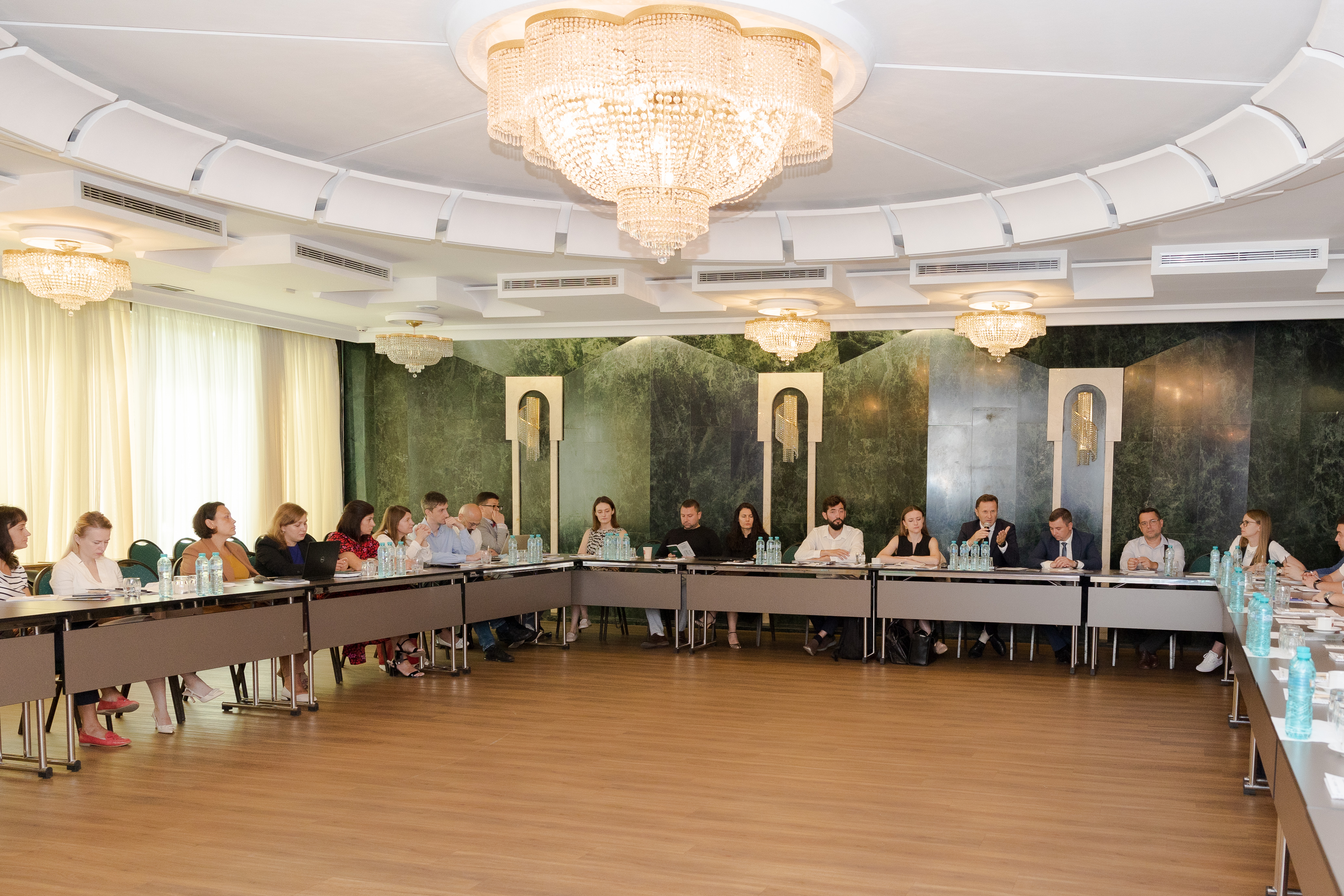
The event, organized by the National Center for Sustainable Energy (CNED) in partnership with the project "Energy Efficiency and Renewable Energy in the Republic of Moldova"(E4M) funded by BMZ and implemented by GIZ Moldova, brought together representatives from the Government, the banking sector, sustainable energy experts and participants from various fields to discuss the opportunities and challenges in this sector.
Carolina Novac, State Secretary of the Ministry of Energy, emphasized the importance of energy efficiency projects, which contribute to increasing comfort in homes and improving the living standards of citizens. In this context, there is a need to develop affordable financial solutions for the residential sector.
"In the Republic of Moldova, more than 50% of the energy consumed is for building maintenance. And to maintain one square meter of a building, on average in Moldova twice as much energy is consumed than in EU countries. Energy efficiency is an essential pillar for the sustainable development of our country. It is crucial that we develop financial solutions to facilitate access to efficient and environmentally friendly technologies for our citizens.
Through strategic partnerships and innovation in financing products, we can stimulate the adoption of these solutions and help reduce our carbon footprint," said Carolina Novac.
Ion Muntean, Director of CNED, presented the financial solutions developed through the Fund for Energy Efficiency in the Residential Sector in Moldova (FEERM), launched this April. FEERM provides a budget of over 1.4 billion lei and involves the renovation of a heated area of at least 507 thousand square meters of housing over the next three years, of which 75% are residential buildings and 25% are individual houses. The financing instruments of the EMFF include grants of 70% of the eligible investment, with an own contribution of only 30% from Condominium Owners' Associations, as well as grants of up to 50% of the eligible investment for individual households. In addition, owners of apartments and individual houses that fall into an energy vulnerability category will benefit from a grant of up to 90% of the contribution amount, paid from the Energy Vulnerability Reduction Fund.
"To support the transition to a more energy-efficient residential sector, we have created a range of financial products tailored to the needs of consumers and the specific characteristics of our market. These solutions are designed to make energy efficiency investments more accessible and attractive to all citizens. The objective is to achieve energy savings of over 40%", added Ion Muntean.
Dorel Noroc, President of the Association of Moldovan Banks, emphasized the need for collaboration between the public and private sectors to create financial products tailored to the needs of residential consumers, in particular Condominium Owners Associations.
"Collaboration between the public and private sector is essential for the development of an effective financial framework to support such projects, including energy efficiency. In this context, it would also be welcome to discuss certain guarantee mechanisms through programs supported by the Entrepreneurship Development Organization," added the President of the Association of Moldovan Banks.
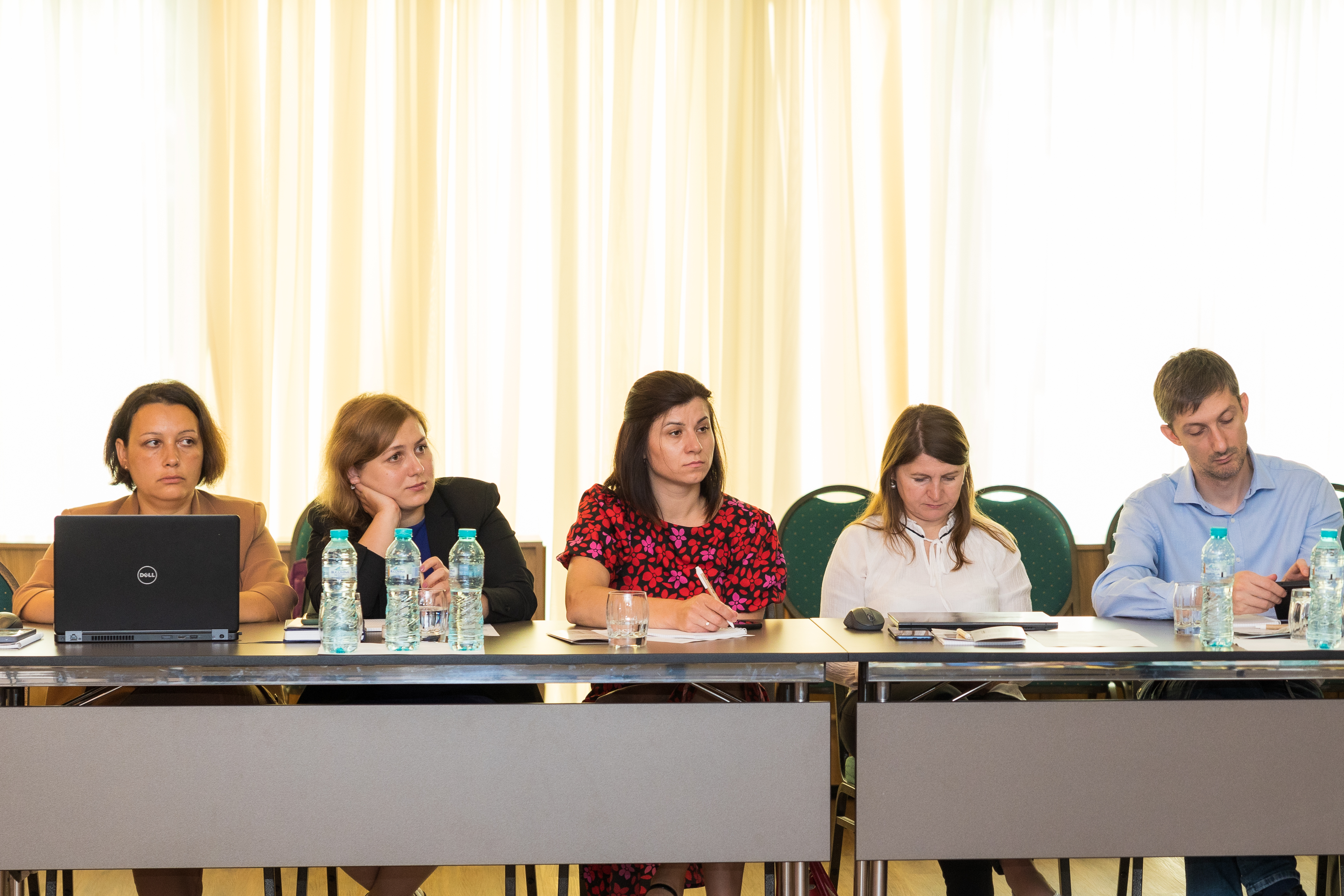
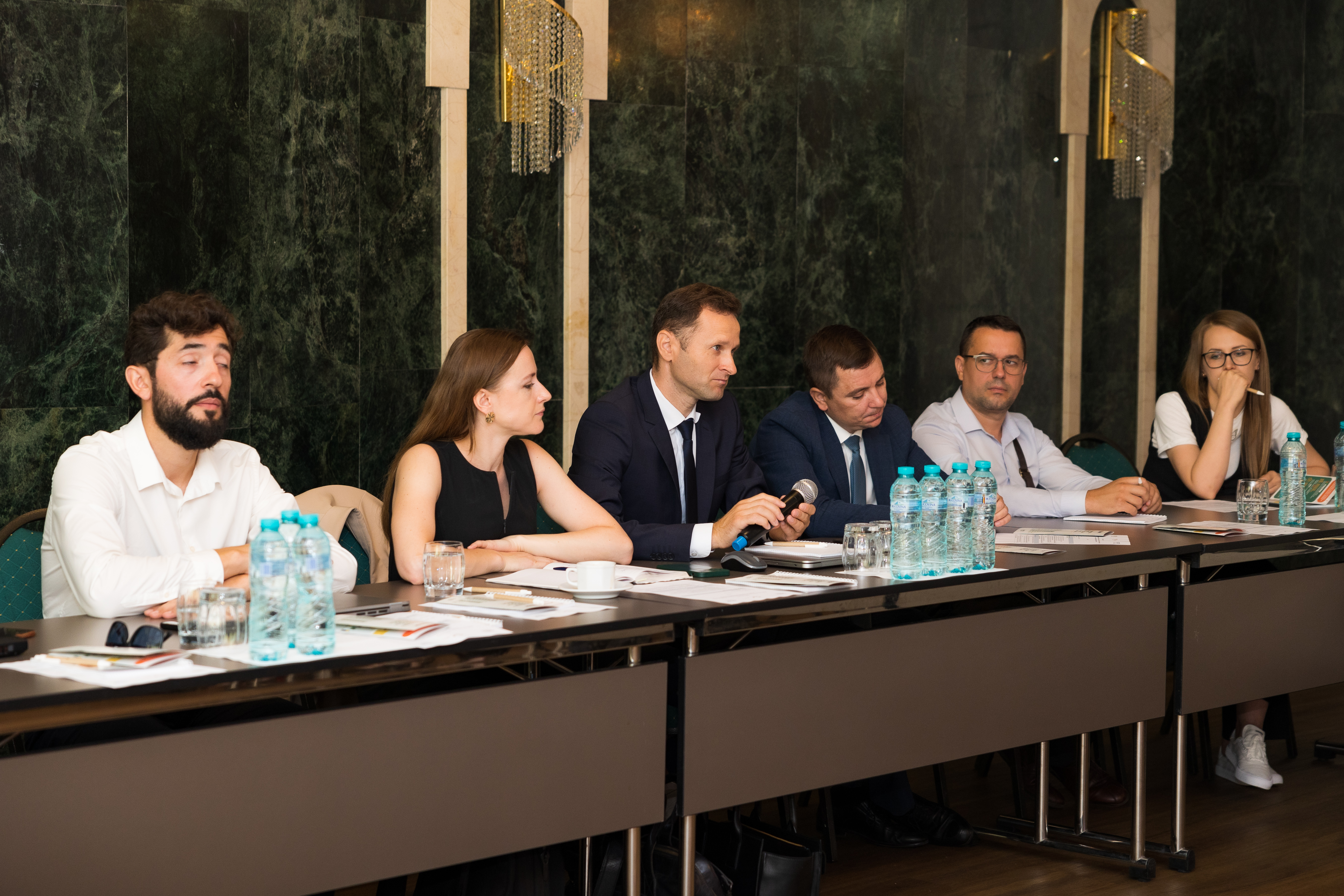
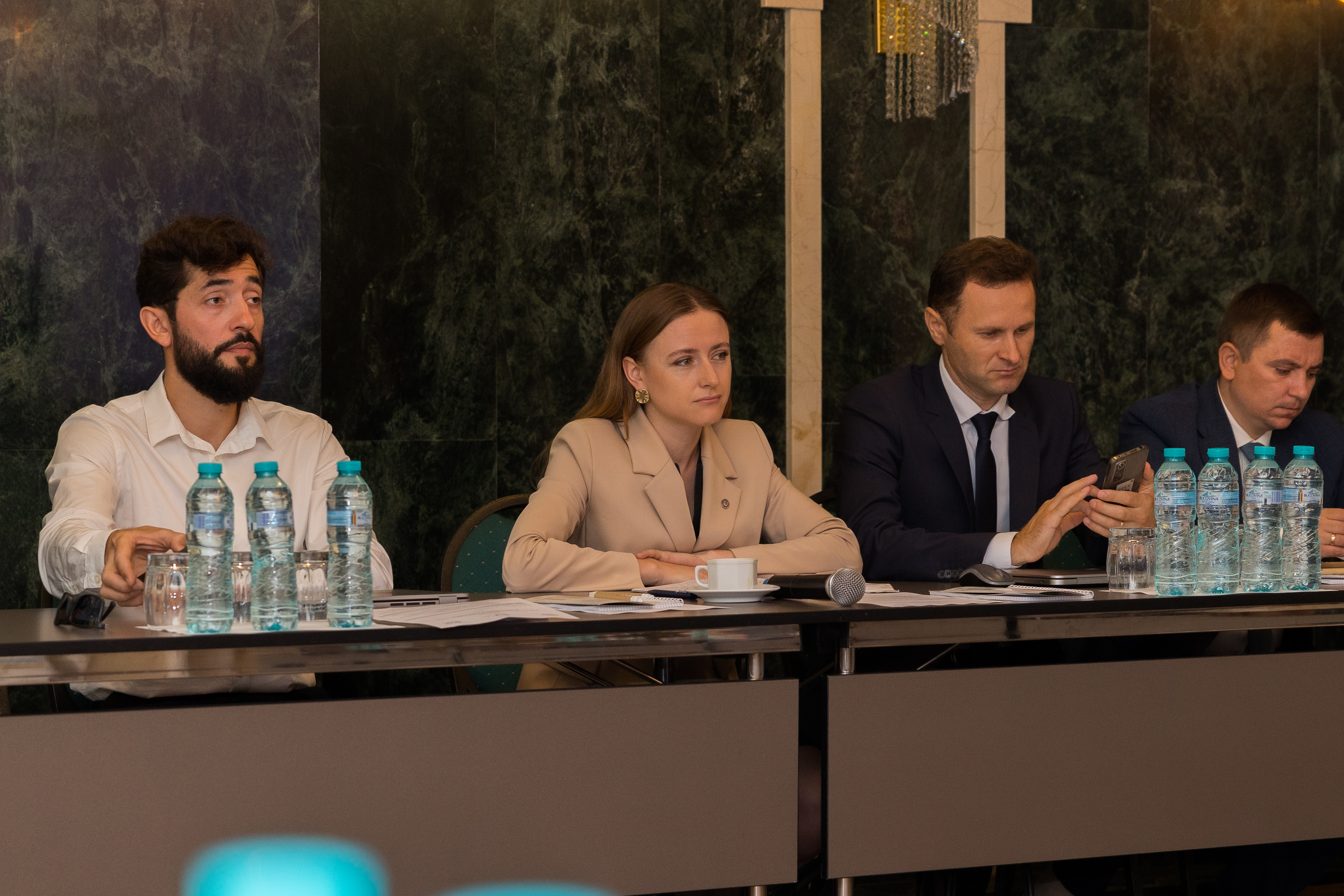
The panel discussion brought together representatives from the banking sector and experts from various fields to discuss the challenges and solutions for financing energy efficiency in the residential sector. The interactive session allowed participants to share experiences and propose solutions to overcome current barriers.
The main objective of the workshop was to identify and promote financial solutions to increase energy efficiency in housing in the Republic of Moldova.
The discussions and presentations emphasized the importance of collaboration between the public and private sector, the need to integrate environmental aspects into energy efficiency projects and the importance of developing affordable financial products for consumers.
Images