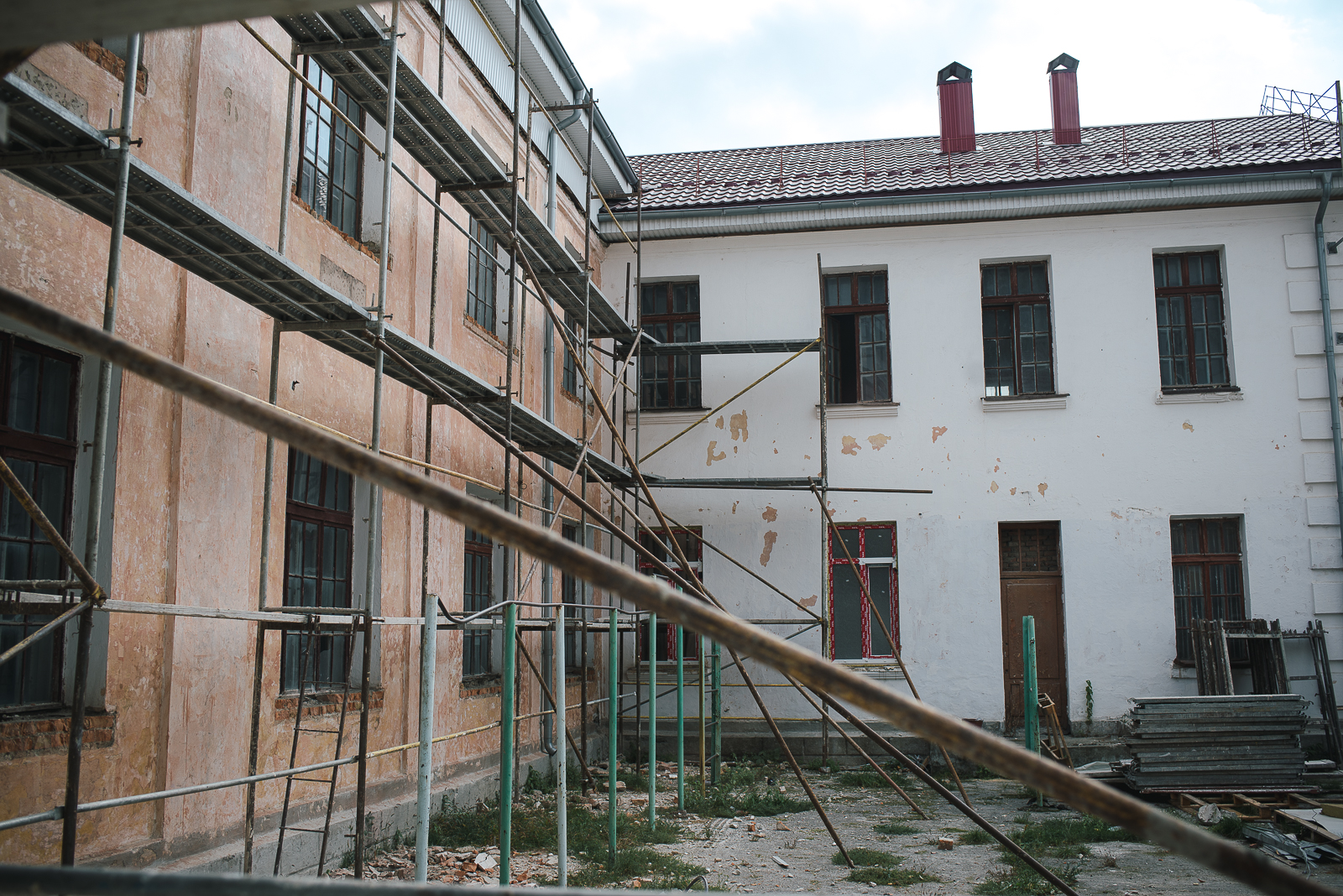
Energy performance of buildings will be better monitored and new buildings will have to meet minimum energy performance standards
- 1002 reads
The Government has approved the draft law on the energy performance of buildings, which introduces minimum requirements for new buildings and for the renovation of existing buildings, regulates the energy performance certification, so that potential buyers/tenants are informed about the energy efficiency of housing.
The legislative initiative transposes the relevant EU directive and its aim is to create the necessary legal framework to promote the improvement of the energy performance of buildings, taking into account climatic conditions, indoor climate requirements and cost-effectiveness.
The draft law, developed with the support of the Energy Security of the Republic of Moldova project of the US Agency for International Development (USAID), aims to regulate the inspection mechanism for heating, ventilation and air-conditioning systems, as well as to ensure the control of energy performance certificates issued, the control mechanism for the periodic inspection reports of heating/cooling systems.
The draft law will also ensure the creation and operation of the information system in the field of energy performance of buildings in order to realize the strategy for the renovation of the real estate stock and the national plan to increase the number of buildings whose energy consumption is almost zero. With this legislative initiative, the Government reiterates the state's increased interest in reducing final energy consumption, given that buildings are the largest energy consumer, accounting for about 50% of total consumption, and the effects of the current energy crisis require targeted measures in this regard.
"We consume about 2-3 times more energy to maintain one square meter of building compared to the EU and this is because the EU has taken some measures in this respect, which we want to take over. In the case of new buildings there will be much stricter rules, and we are also introducing mechanisms for the infrastructure for electric vehicles," said Energy Minister Victor Parlicov.
The past partial transposition of the EU acquis in this field has led to low interest in services for determining the energy performance of buildings, carrying out inspections of heating and air-conditioning systems, both by individuals and legal entities. In the medium and long term, the costs of complying with the requirements set by the regulatory framework in this area will be recouped in lower expenditure on energy savings.
Images