The Energy Ministry has launched a pilot program to install smart meters for electricity
- 1079 reads


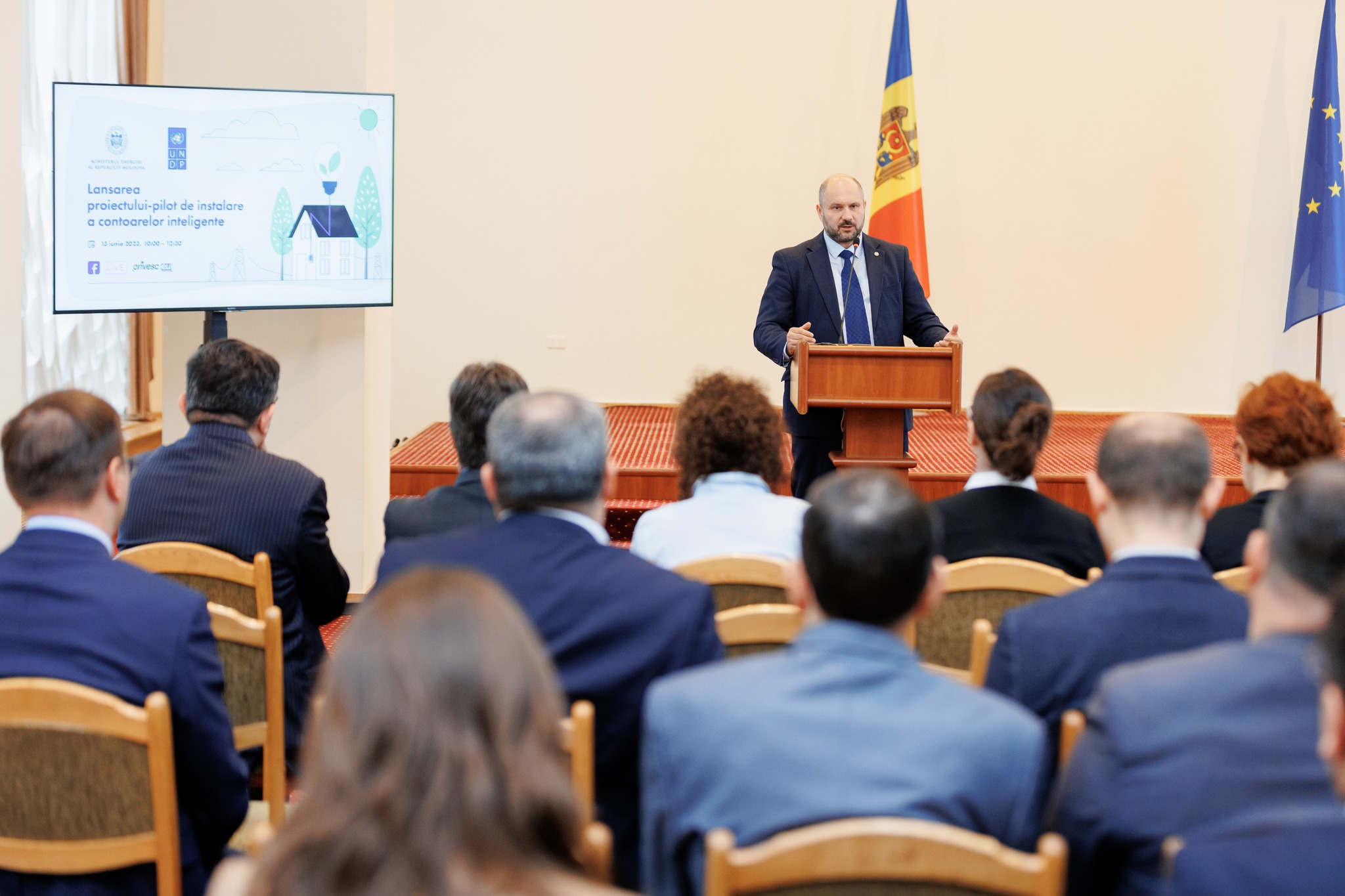
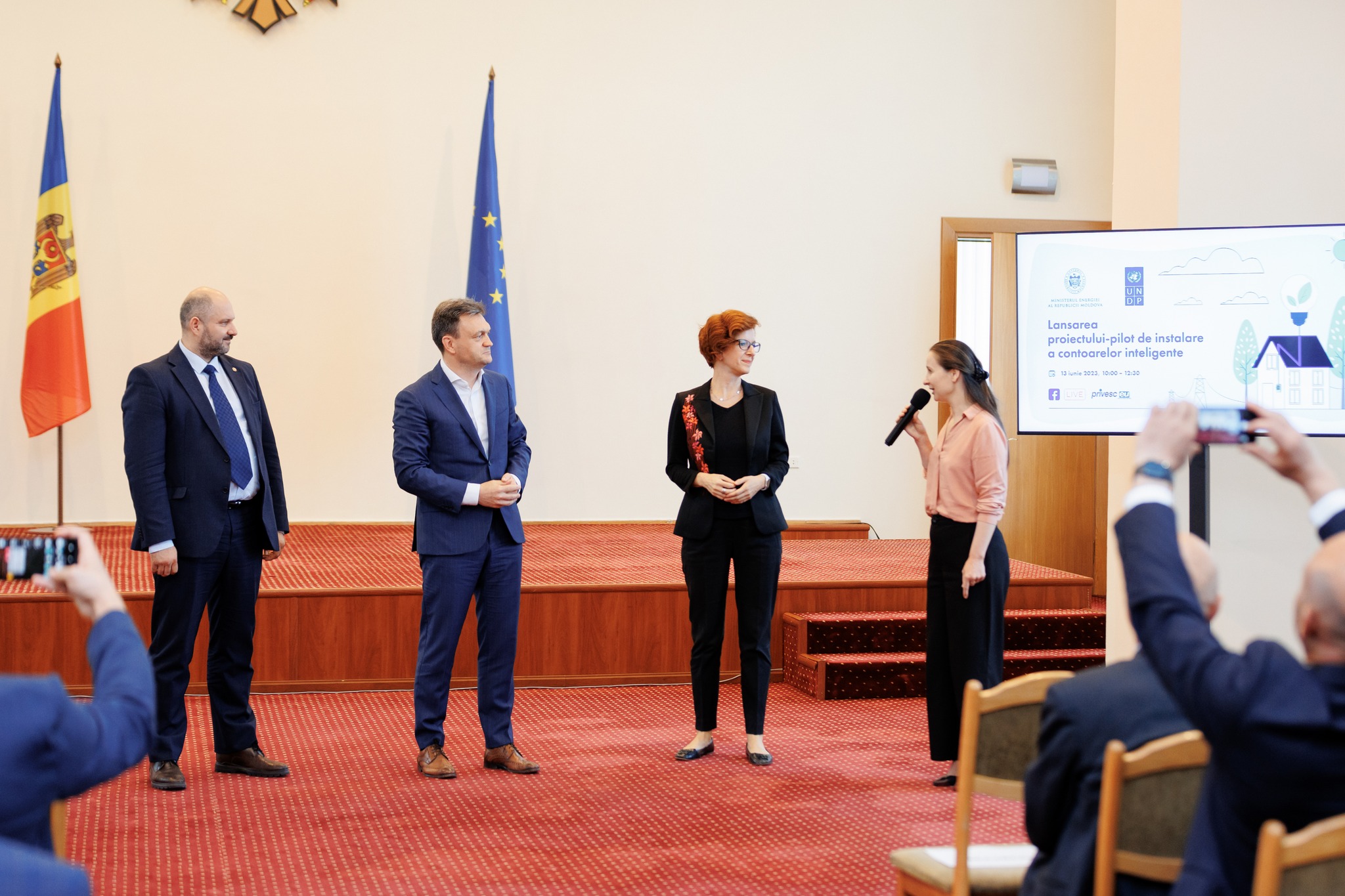
The Ministry of Energy launched on June 13, 2023 a pilot program for the installation of smart meters for electricity. The pilot programme is part of the national plan for digitalization of the energy sector and is being implemented with the support of the United Nations Development Programme in Moldova and other development partners.
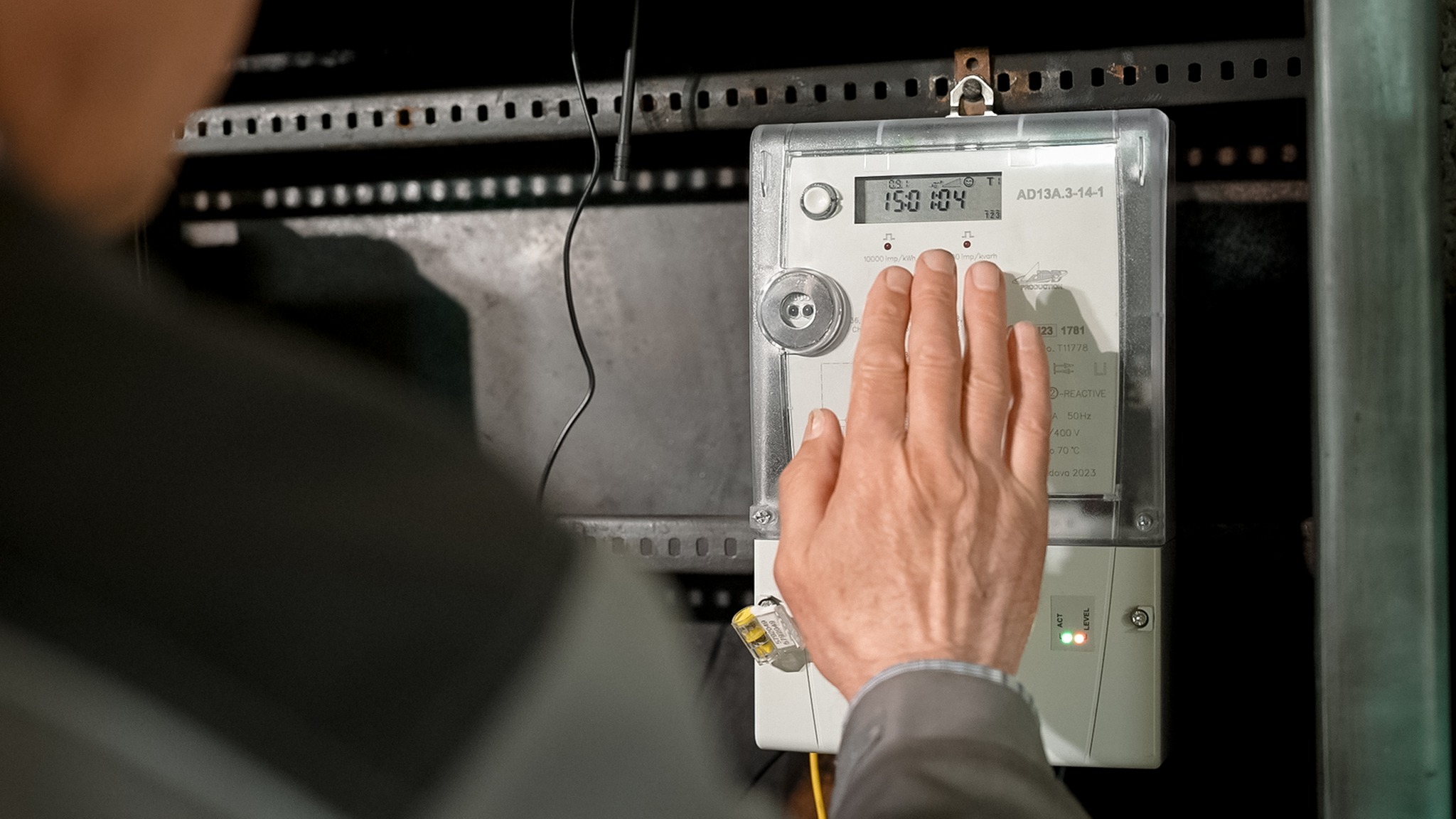
The first smart meter has been installed right in the Government building and will help to measure and make more efficient the actual energy consumption.
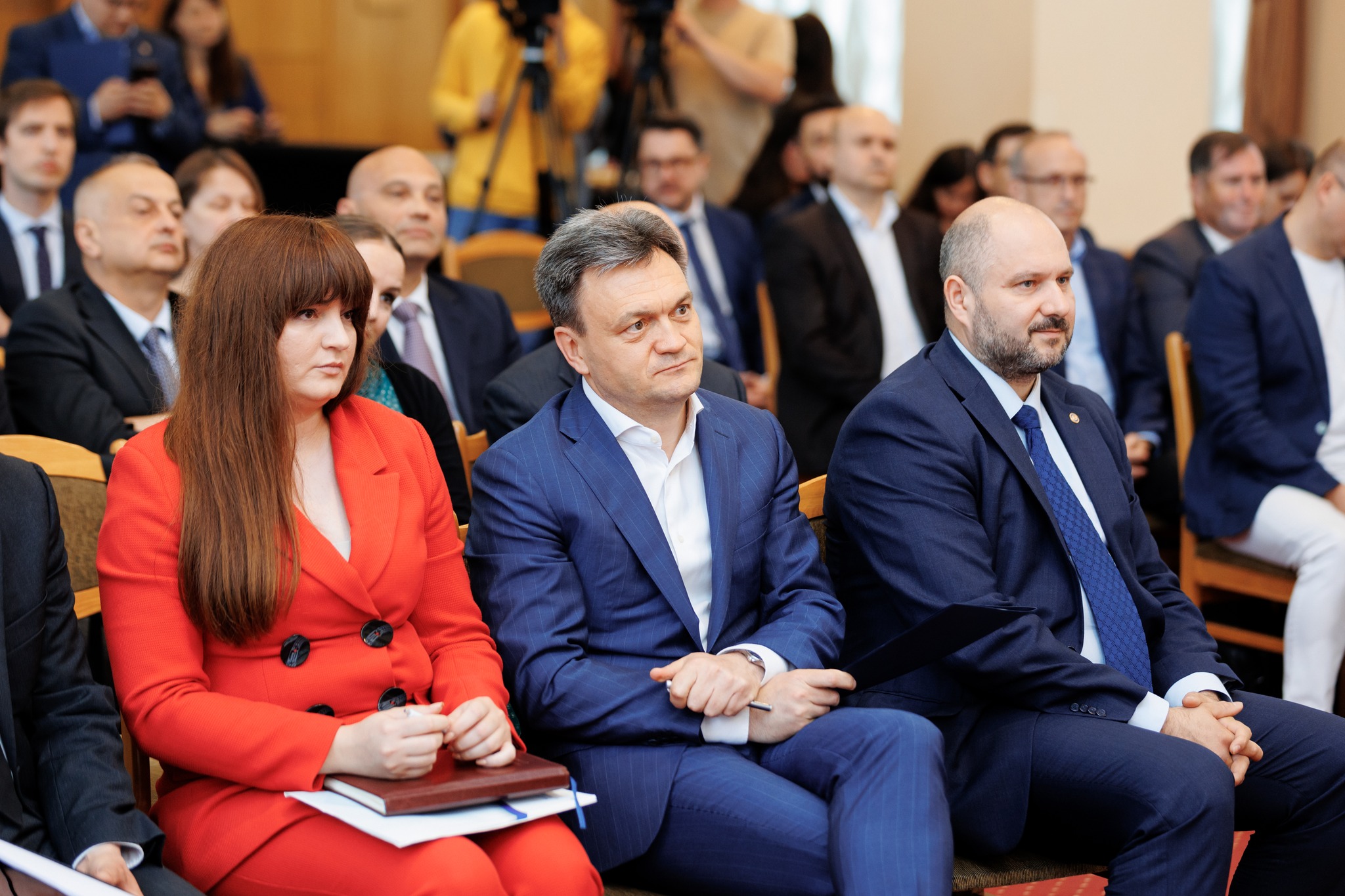
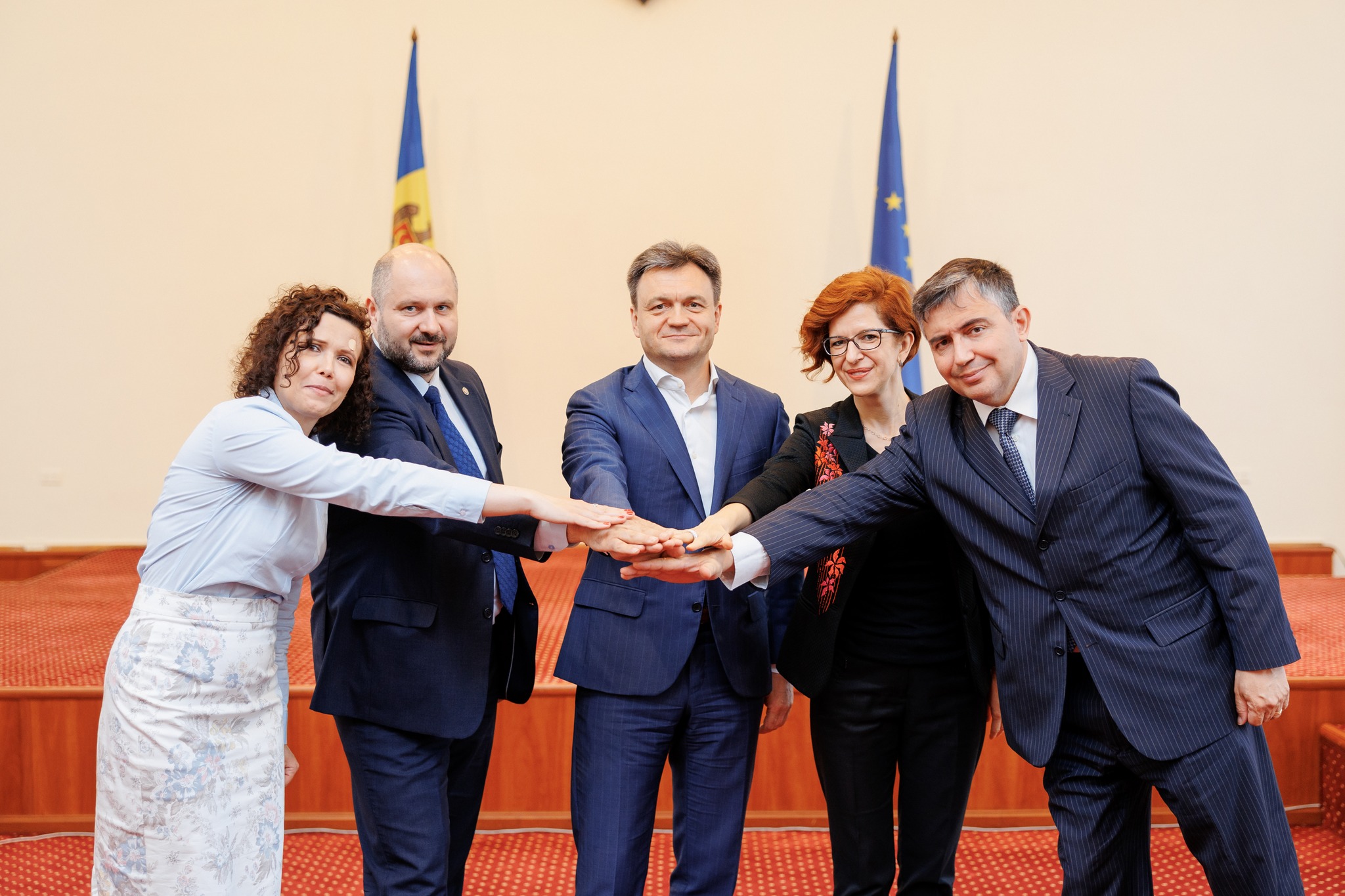
Present at the event, Prime Minister Dorin Recean highlighted the progress our country has made in the energy field since 1998, when local engineers were proposing the first versions of smart meters. "The launched program will have a major impact on the economy and energy market and will open many opportunities. I call, at the institutional level, for the preparation of all the necessary regulations so that what we have now from the technological point of view can work efficiently," Prime Minister Dorin Recean said.
The smart meters will measure consumption at short intervals and transmit the data automatically, securely and without errors to the energy distributor, without the need for employees of the supply companies to physically read the meters. At the same time, the supplier will bill actual energy consumption, not estimated consumption, and will be able to identify accidents more quickly and reduce intervention times.
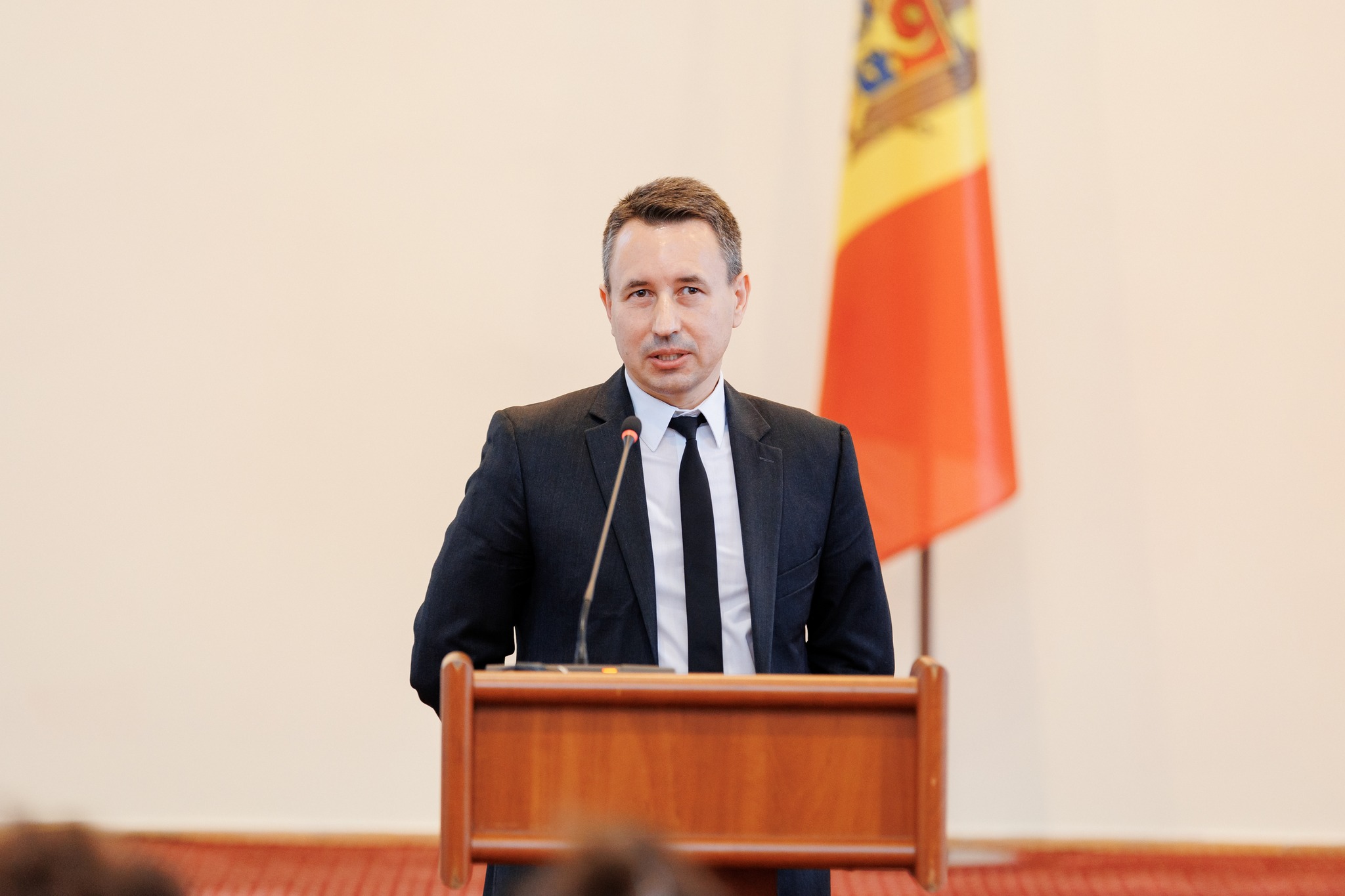
"With this pilot program, we are starting a broad process of digitization of the energy sector, smart meters are also a necessary step for the introduction of differentiated electricity tariffs according to the time of consumption. The time of low energy prices is over, so in order to reduce costs, we need to consume energy intelligently," said Victor Parlicov, Minister of Energy.
The data gathered under the program will be used to develop new energy efficiency policies. The UNDP is testing several technical solutions that could later be scaled up across the country, including a pilot program to install smart meters and the EU-funded "Rabla Appliances" program to replace energy-guzzling appliances with energy-efficient ones.
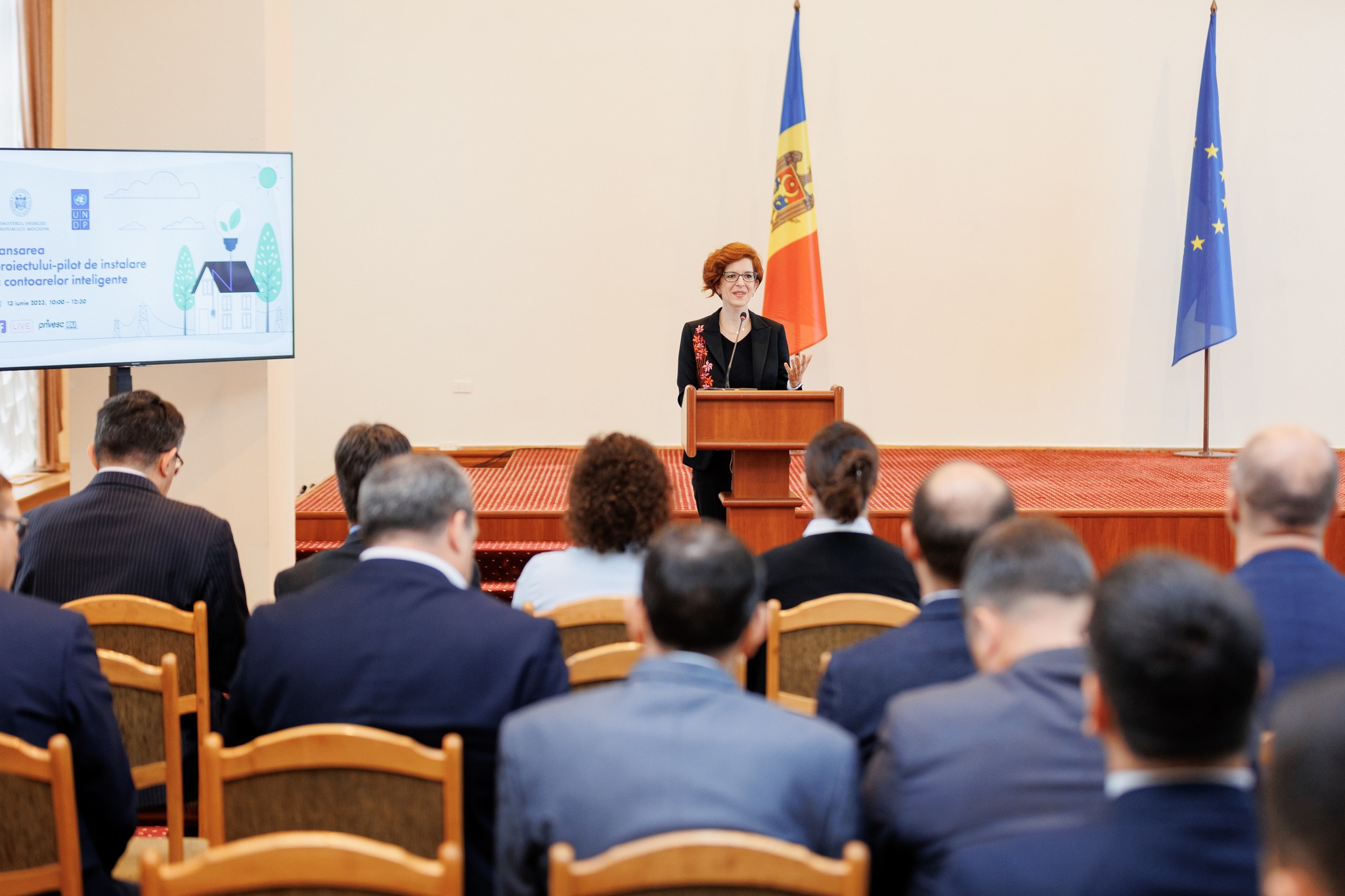
"This important initiative aims to start transforming the national electricity grid into a smart one, offering multiple advantages and benefits, such as: consumer control over consumption, improved energy efficiency, cost savings and access to valuable data for energy analysis and informed decision-making," said Daniela Gasparikova, UNDP Resident Representative in Moldova.
With smart grids, customers have more freedom in choosing their supply offer and can opt for flexible tariffs, as the smart meter allows the storage of six types of tariffs. This will allow consumers to use their appliances at times when energy is cheaper. Smart appliances will be able to automatically "read" the tariffs from the meter and decide when is the most convenient time to switch on.
In the EU, more than 50% of meters are smart meters, reducing commercial consumption on the grid by up to 15% and technical consumption by 5%. Smart grids are based on the need to minimize consumption worldwide to curb resource waste and global warming.
After a year, during which the operation of the meters and information on individual energy consumption will be analysed, the program could be extended to the whole country.
Images