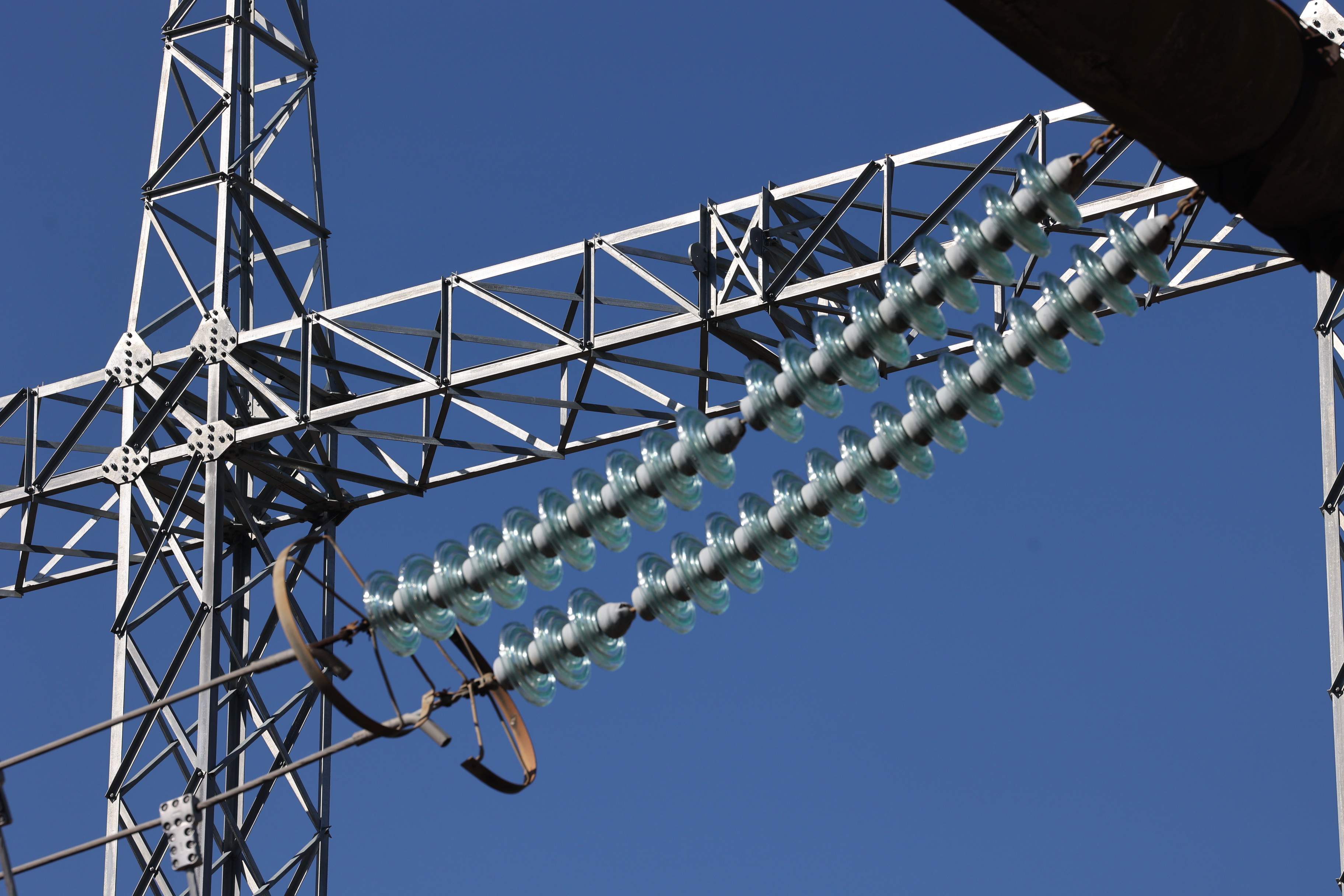
The Electricity Transmission System Operator, S.E. Moldelectrica, to Be Reorganized into a Joint-Stock Company to Improve Corporate Governance
- 390 reads

The national electricity transmission system operator, Moldelectrica, will be reorganized from a state-owned enterprise into a joint-stock company. The process aims to establish a fully independent electricity transmission system operator in operational, functional and decision-making terms, capable of operating, maintaining and developing the electricity transmission networks in accordance with ENTSO-E requirements and the EU acquis.
The reorganization will bring direct benefits, including increased operational efficiency, enhanced investment attraction and strengthened security of the national energy system. At the same time, the transformation into a joint-stock company will provide an appropriate corporate framework for managing critical infrastructure and implementing investment projects.
The reorganization of S.E. “Moldelectrica” into a joint-stock company with fully state-owned capital does not involve the privatization of strategic assets in the electricity sector and does not affect the public ownership of electricity transmission networks, as the enterprise is included on the list of assets not subject to privatization, in accordance with the provisions of Law No. 121/2007 on the Administration and De-etatization of Public Property.
Thus, the state will retain full ownership rights and control over critical infrastructure, while the new legal form is intended to improve corporate governance, ensure the operational independence of the transmission system operator and align it with European standards applicable to electricity transmission system operators.
In many European countries, state-owned energy, infrastructure and transport companies operate under exactly this type of corporate model: the state remains the owner, while the company is managed according to rules similar to those applied in the private sector.
In the energy sector, such transformations are considered essential because companies need to operate in an increasingly competitive regional market integrated with the European market. For European partners and international financial institutions, sound corporate governance is a key prerequisite for investment, credibility and long-term energy security.
Images