Dorin Junghietu at the TTE Energy Meeting in Dublin: “Energy Efficiency Measures Must Be Reflected in Citizens’ Energy Bills”
- 496 reads


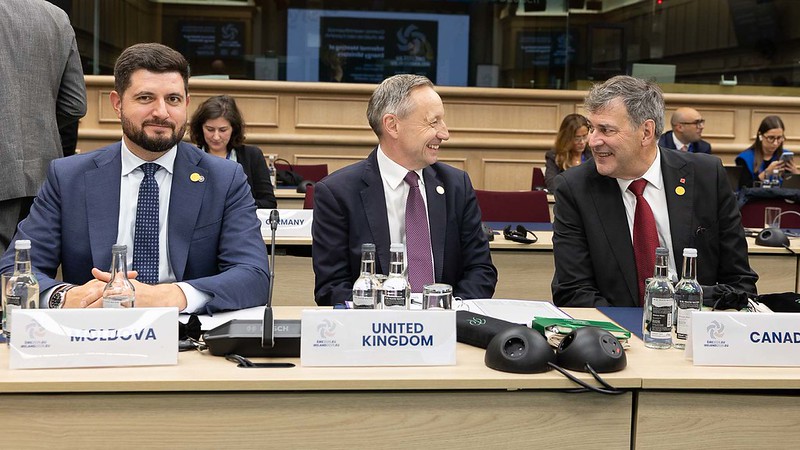
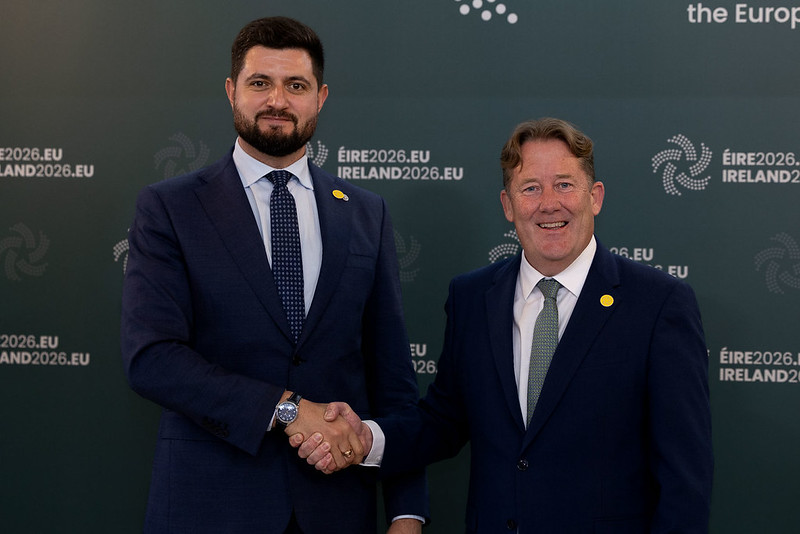
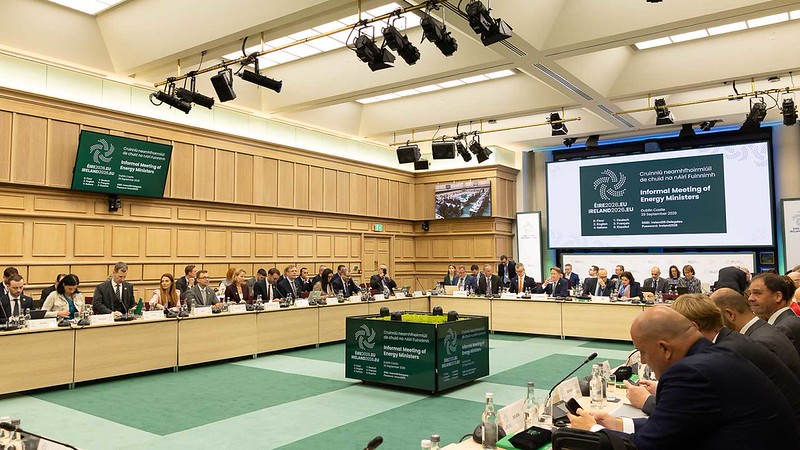
Minister of Energy Dorin Junghietu participated in the Informal Meeting of Energy Ministers of the Transport, Telecommunications and Energy (TTE) Council of the European Union, held on September 28–29 in Dublin, Ireland. The meeting brought together ministers responsible for energy policy from EU Member States, representatives of the European Commission and invited partners for an exchange of views on energy transition priorities and responses to current challenges in the sector.
During the discussions, Minister Dorin Junghietu presented the Republic of Moldova’s experience in managing the effects of the energy crisis and its changing approach to energy efficiency — from compensating energy bills to reducing consumption and long-term costs.
“For Moldova, the energy crises of recent years have made it very clear that protecting consumers cannot mean simply paying part of their bills. We need to reduce the bill itself through concrete measures. That is why we are making every effort to shift the focus from compensating the cost of energy bills towards investments in energy efficiency. A renovated apartment building, an insulated house or an energy-efficient household appliance means less energy consumed and a lower bill every month,” said Minister of Energy Dorin Junghietu.
The Minister reiterated that the Republic of Moldova is already changing this financing architecture through mechanisms that mobilize investments in energy efficiency without placing the entire burden on the state budget. In this context, the Minister noted that, for the current year alone, the Residential Energy Efficiency Fund has a budget of more than MDL 200 million and is estimated to mobilize approximately MDL 1.4 billion in total over the 2024–2027 period.
Progress is also visible in public buildings. Energy renovation programmes currently under implementation have combined financing of more than EUR 240 million. Through the INSPIREE programme alone, 16 educational institutions and 14 district hospitals are expected to undergo energy renovations by 2030, covering a total area of more than 92,000 square metres. The interventions are estimated to reduce energy consumption by approximately 60%, generating estimated annual savings of around 12 GWh.
“We have entered a stage where the question is no longer whether we need energy efficiency or whether there is funding available for projects. We have programmes, we have financing, and demand is growing. The challenge is the capacity to turn these resources into completed works: we need experienced energy auditors, designers, supervisors and contractors who are prepared to work at a larger scale. For us, energy efficiency is also becoming a professional training and market development objective,” stressed Dorin Junghietu.
Another example of measures with a direct and rapid impact on consumers presented by the Minister was the EcoVoucher programme. More than 42,000 vouchers had been used by July 2026, generating estimated energy savings of approximately 9.5 GWh. At the same time, more consumers are choosing to produce their own energy, with the installed capacity of prosumers reaching approximately 220 MW. This allows households and small consumers to reduce their dependence on electricity purchased from the grid.
Overall, installed renewable energy capacity in the Republic of Moldova surpassed the 1 GW threshold in 2026. These results show that the energy transition can bring tangible benefits to consumers not only in the long term, but also through measures that reduce consumption and costs within a relatively short period of time.
During the meeting, the Minister stressed that the energy transition must be as tangible as possible and translate into concrete benefits for consumers. For the Republic of Moldova, this means producing as much energy as possible from renewable sources, continuing infrastructure projects through stronger energy connections with the European market, and, at the same time, significantly reducing consumption through energy efficiency measures.
“All these instruments we are implementing will translate into lower bills and greater protection for consumers when international market prices increase.”
Participation in the Dublin meeting also provided an opportunity to exchange experience on European energy policies and identify potential areas for cooperation.
The informal TTE meeting precedes the formal meetings of the Council of the European Union and provides ministers with a framework for strategic discussions on the future of European energy policy, the energy transition and cooperation between Member States and European partners.
Images