Dorin Junghietu: “Moldova’s experience this winter shows that EU energy market integration and European solidarity are essential for regional security”
- 245 reads
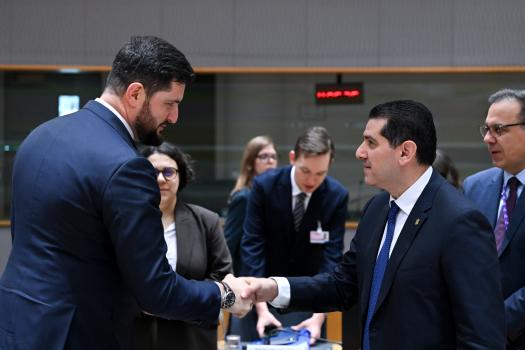
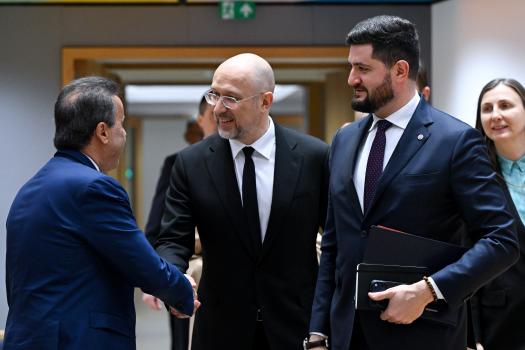
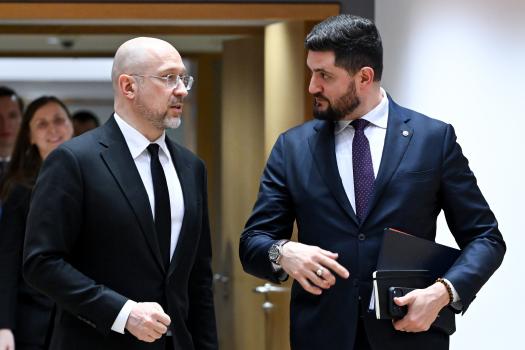
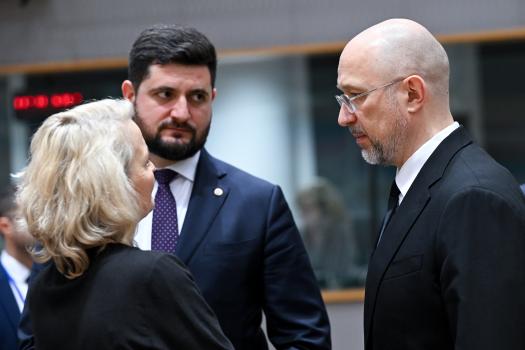
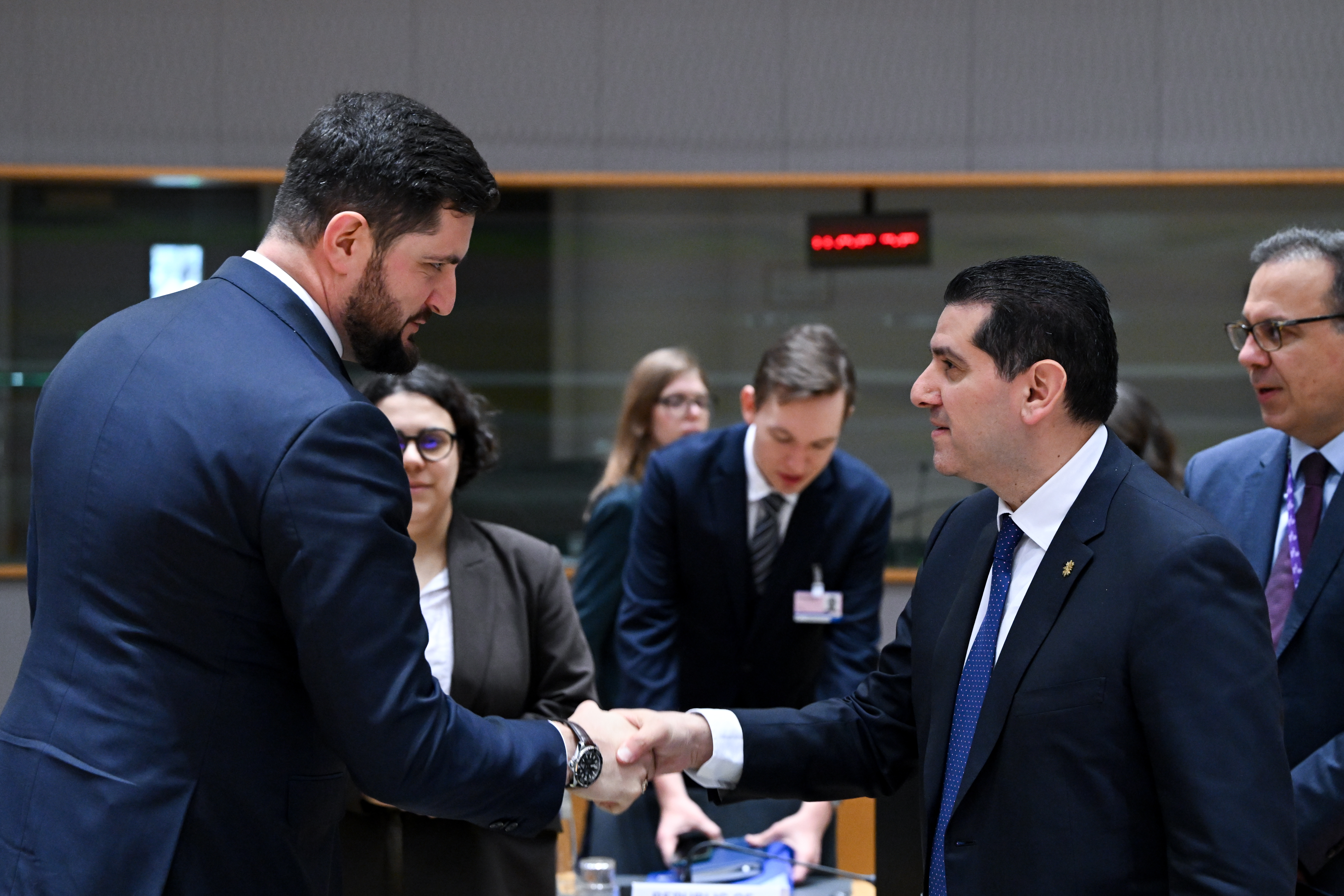
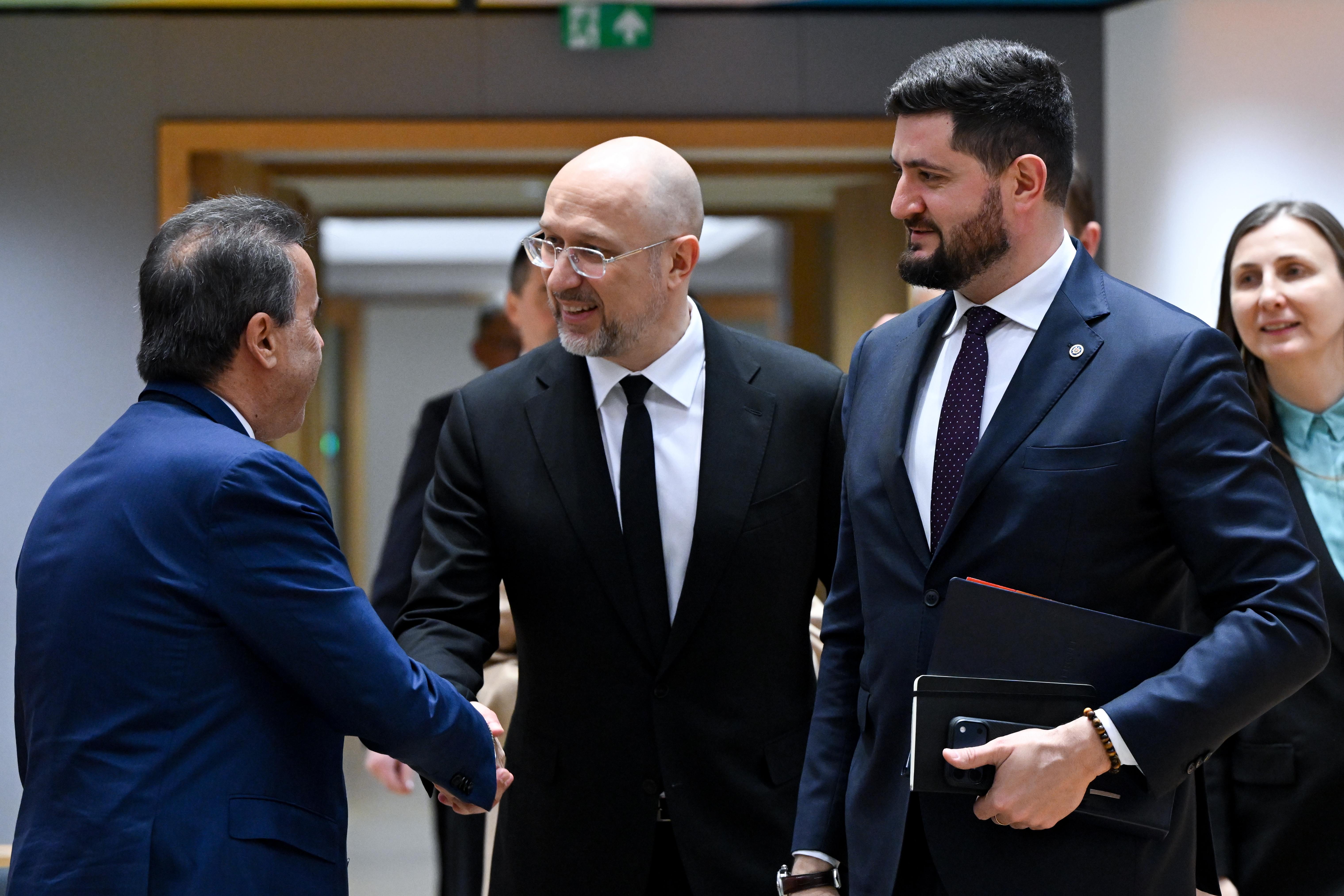
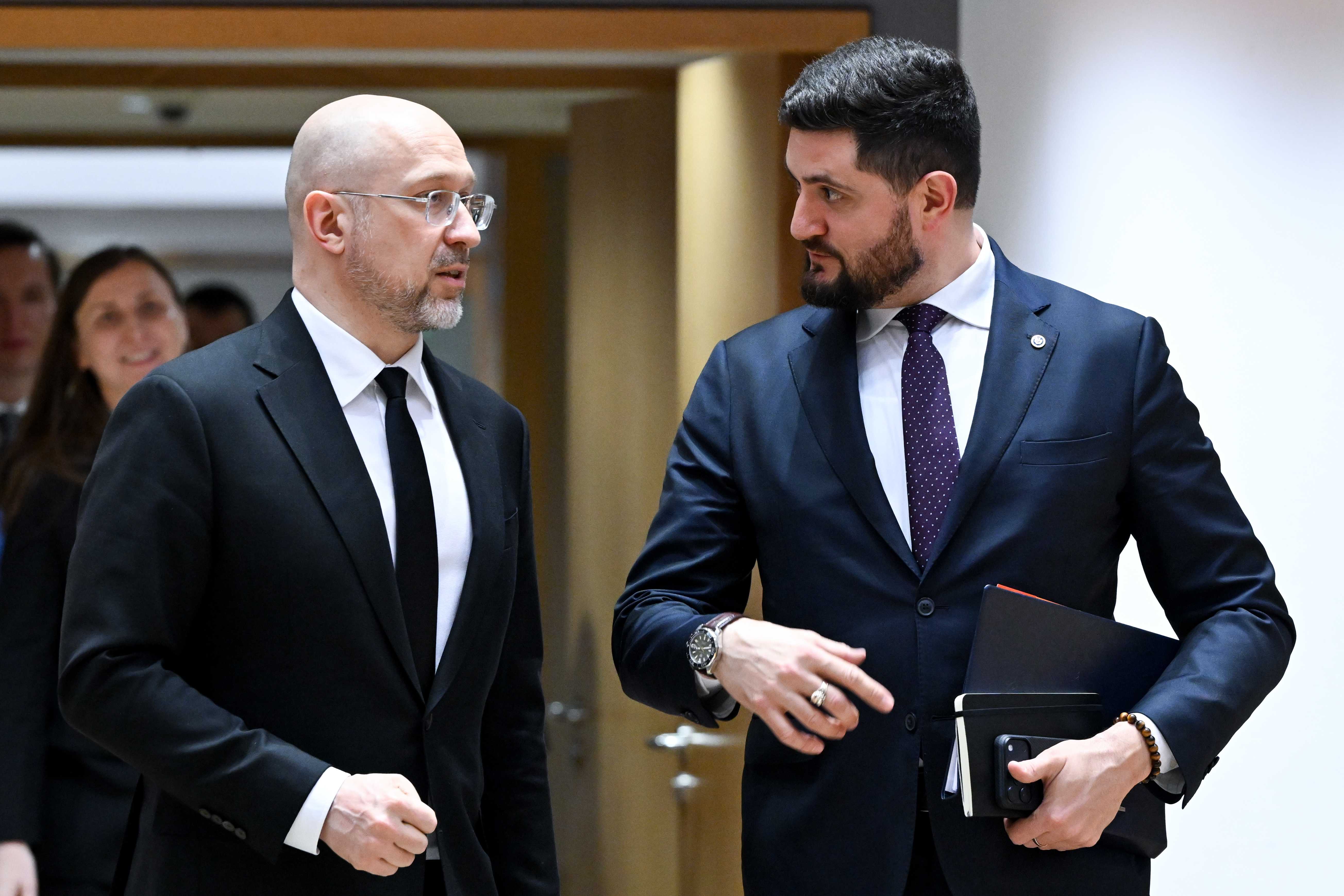
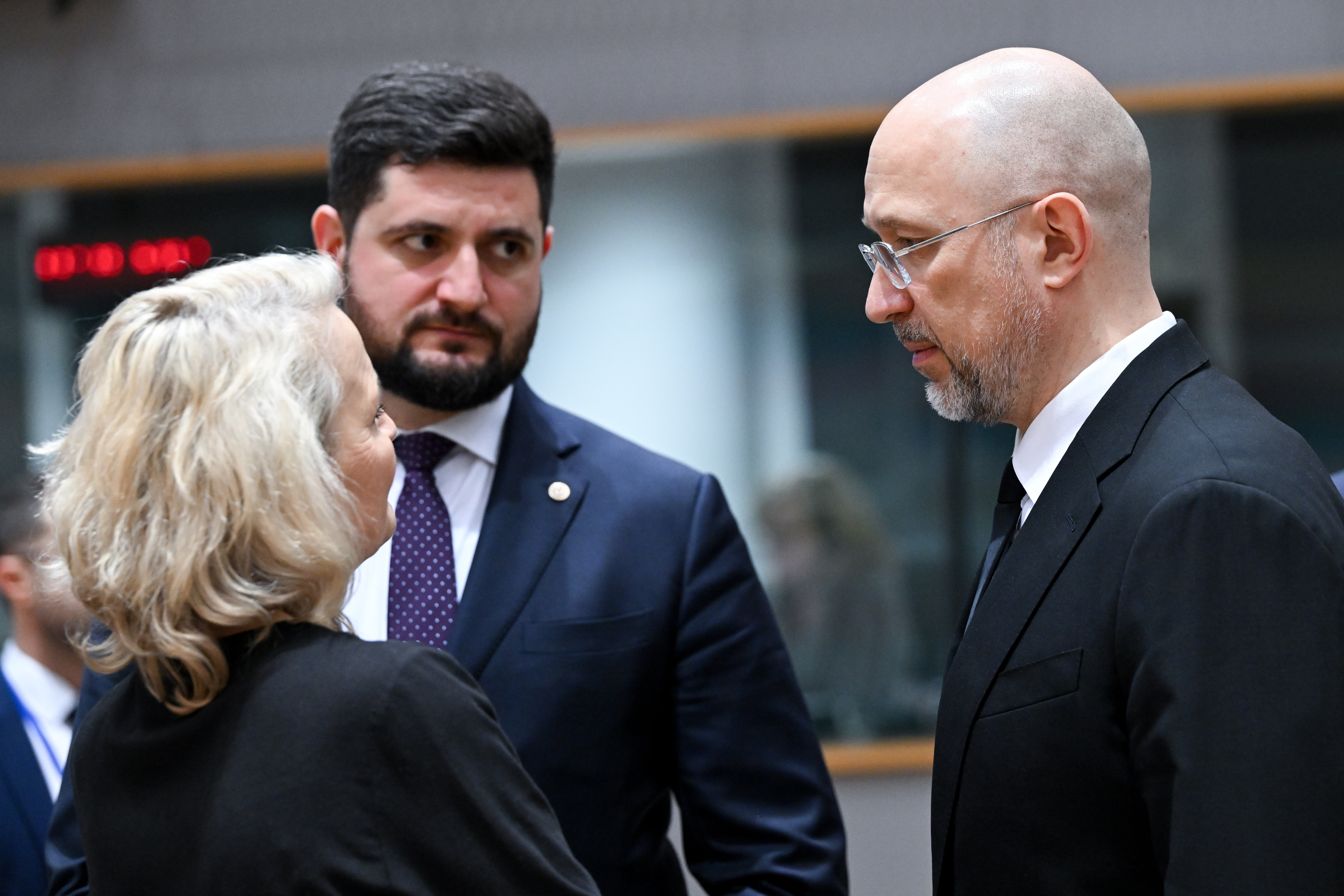
The experience of the Republic of Moldova this winter confirms the crucial role of energy integration and European solidarity in ensuring the security of the entire region, stated Energy Minister Dorin Junghietu during the Transport, Telecommunications and Energy Council (TTE – Energy) meeting held in Brussels on March 16, where he participated alongside energy ministers from European Union member states.
The event focused on sharing the experiences of Moldova and Ukraine in overcoming crises and coordinating common strategies to strengthen regional energy security.
Minister Junghietu spoke about the regional energy situation alongside European Commissioner for Energy and Housing, Dan Jørgensen, and Ukraine’s First Deputy Prime Minister and Energy Minister, Denys Shmyhal, during a session dedicated to enhancing energy security through integration and experience exchange with Moldova and Ukraine. The meeting was opened by the Minister of Energy, Commerce and Industry of Cyprus, the country holding the Presidency of the Council of the European Union.
The main theme of the Brussels meeting was regional energy security, energy market integration, and accelerating the transition to clean energy in the context of geopolitical challenges and the need to reduce energy costs for citizens.
In his intervention, Minister Dorin Junghietu presented Moldova’s experience and achievements in managing difficult situations in the sector, emphasizing that the reforms and measures adopted in recent years were implemented under unprecedented conditions.
“Moldova does not produce oil, nor does it have its own natural gas reserves. Until recently, we depended on a single gas supplier. Yet over the past three years, under conditions that most countries in the region could not have anticipated, we have managed to keep the national energy system operational. Today, with openness and courage, we can share this very challenging experience,” the minister stated at the beginning of his speech.
He explained that, to address structural vulnerabilities, Moldova activated all available internal resources. District heating plants became strategic actors, including in electricity generation and covering energy demand during the cold season, while regional cooperation within the Ukraine–Moldova control block allowed efficient management of electricity imports.
Additionally, the mechanism for reallocating interconnection capacities (NTC) was implemented, enabling efficient use of available capacities between Ukraine and EU member states.
The minister emphasized that, since 2022, Moldova has been adopting and implementing an annual Winter Preparedness Plan, which contains concrete measures for various electricity and natural gas supply scenarios. Currently, the country maintains strategic gas stocks of approximately 50 million cubic meters—equivalent to about ten days of winter consumption—on top of commercial supplier stocks, which are required to hold volumes equivalent to at least 15% of the average annual consumption of end-users over the last five years.
Dorin Junghietu also recounted a critical episode this winter when damage to a power line due to extreme weather caused a significant frequency drop in the regional energy system, temporarily disconnecting approximately 70% of Moldova’s consumers. Through real-time coordination with system operators in Romania and Ukraine, electricity supply was fully restored in less than five hours.
The minister highlighted significant progress in energy infrastructure. The 400 kV Vulcănești–Chișinău transmission line has completed construction and is preparing for commissioning, while the Bălți–Suceava and Strășeni–Gutinaș interconnection projects are advancing, strengthening energy links with Romania and the EU.
Another topic discussed was energy market liberalization. In December 2025, Moldova launched the Day-Ahead and Intraday electricity markets, operated by OPCOM Romania, and in the natural gas sector, a forward market and OTC bilateral contracts platform were introduced. Meanwhile, large industrial consumers will gradually transition to the free market starting in April 2026.
The minister emphasized that these reforms were carried out under extremely difficult conditions, marked by war at the border and disruptions in energy supply, but would have been impossible without support from development partners.
“The reforms took place alongside a supply crisis and a war on our border. It was not easy, but we had no alternative. From these experiences, we have learned how important winter preparedness, coordination among system operators, and market reforms are,” Dorin Junghietu stated.
At the same time, the minister thanked European partners for their support to Moldova and emphasized the importance of regional solidarity, including support for Ukraine.
“We must remain united and continue to support Ukraine, including in strengthening energy resilience. Moldova’s integration into the European energy family is already underway, and our experience can contribute to the European dialogue on energy security,” concluded the minister.
During the TTE meeting, energy ministers also reviewed progress in implementing the Affordable Energy Action Plan launched by the European Commission a year ago, as well as the measures needed to reduce energy costs and strengthen regional energy security.
Images