Dorin Junghietu: “Moldova Is Modernizing Its Energy Sector through European Interconnections and Investments in Energy Efficiency”
- 347 reads


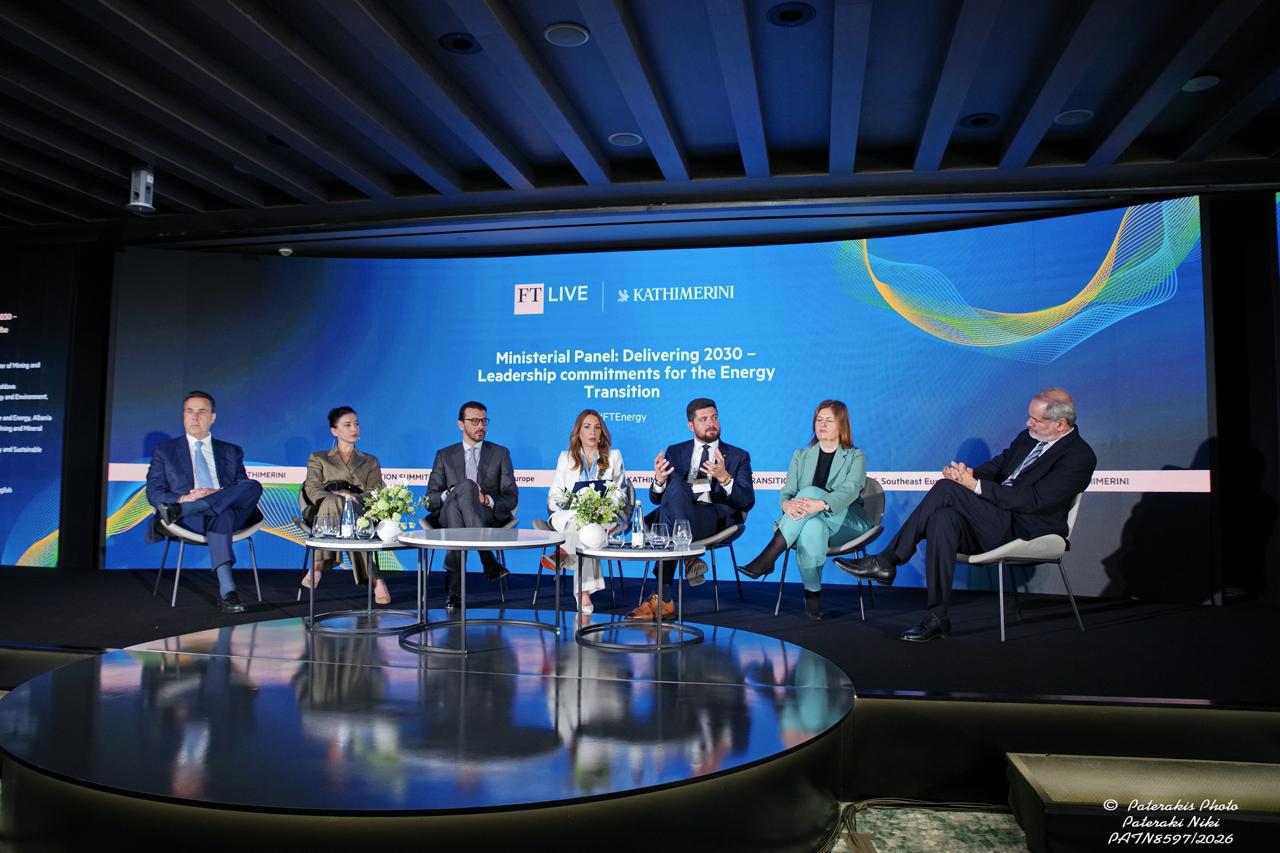
Moldova is undergoing a major transformation of its energy system, moving towards a model aligned with European standards. This message was conveyed by Minister of Energy Dorin Junghietu during the Energy Transition Summit, organized by the Financial Times in the Greek capital.
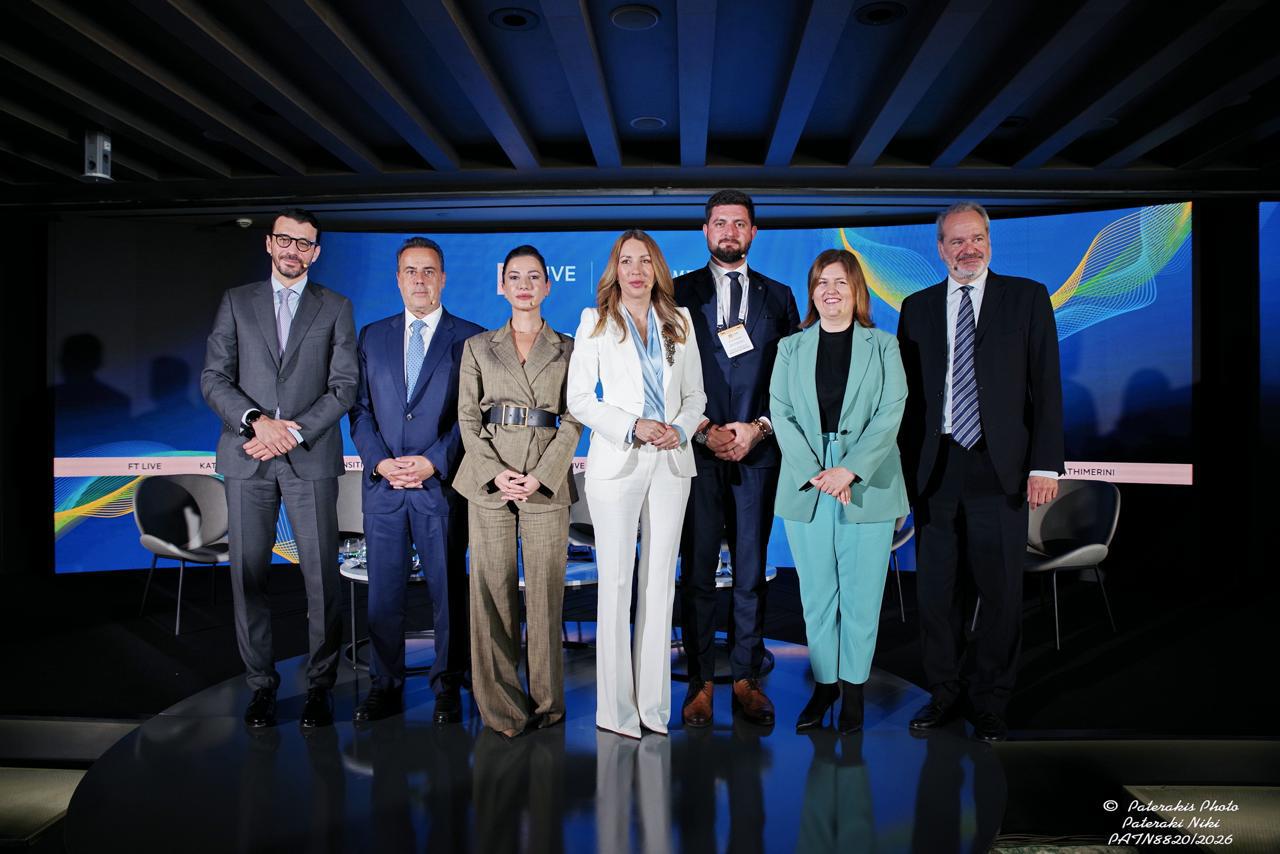
During the ministerial panel dedicated to government commitments to accelerating the energy transition and achieving the objectives set for 2030, Minister Dorin Junghietu presented the measures and reforms implemented to modernize the energy sector of the Republic of Moldova, emphasizing that the country is now better prepared to respond to regional challenges and external shocks.
“Moldova is undergoing a major transformation of its energy system, moving towards a diversified model based on market rules and aligned with European standards. Today, we are better prepared to respond to energy crises and regional volatility, and this progress is the result of investments, cooperation with European partners and the reforms implemented in recent years,” Minister of Energy Dorin Junghietu stated.
The Minister reviewed the reforms promoted by the Republic of Moldova to modernize the energy sector and bring it closer to the European energy market.
“The completion of the 400 kV Vulcănești–Chișinău overhead power line is one of the most important energy projects implemented by Moldova in recent decades. At the same time, progress on the Suceava–Bălți and Strășeni–Gutinaș projects will strengthen connectivity with Romania and the European energy market, directly contributing to the energy security of citizens and the stability of the national energy system,” the Minister emphasized.
At the summit, the Minister noted that all three electricity interconnection projects with Romania already have funding secured and are at different stages of implementation. At the same time, the 330 kV Bălți–Dnestrovsk line, included in the European Union’s Growth Plan and on the list of projects of interest to the Energy Community, will add approximately 500 MW of cross-border capacity, strengthening system resilience and facilitating the integration of renewable energy.
A key focus of the Minister’s intervention was the development of green energy and investment in modern energy storage capacity.
“In just five years, we have increased installed renewable energy capacity thirteenfold, surpassing the 1 GW threshold. This is a clear result demonstrating that Moldova can build a modern energy system that is less dependent on external energy resources,” Dorin Junghietu stated.
The Minister highlighted that renewable energy already accounts for nearly one quarter of electricity generation in Moldova, while competitive auctions organized by the state have accelerated the development of photovoltaic and wind projects, as well as energy storage capacity.
“Energy storage is essential for the flexibility and stability of the energy system. We are developing mechanisms to attract private investment and support households and small businesses in integrating modern storage solutions with renewable energy,” Minister Junghietu noted.
In his intervention, Dorin Junghietu also emphasized that energy efficiency and consumer protection are central components of the energy policies promoted by the state.
“The cheapest energy is the energy we do not consume. That is why energy efficiency is a pillar of energy security and consumer protection. Social protection must be integrated into energy policies from the outset. The energy transition must be fair, so that the benefits of modernization are felt by every citizen,” the Minister stated.
With regard to the security of natural gas and petroleum product supplies, the Minister emphasized that Moldova has succeeded in establishing access to multiple European supply routes, including through its interconnection with Romania, the use of the Trans-Balkan Corridor and access to regional storage capacity.
The Minister also highlighted the importance of effective cooperation between state institutions, regulatory authorities and the private sector in accelerating investment and implementing strategic projects.
“Private sector participation increases when there are clear rules, predictable institutions and transparent processes. Our objective is not only to accelerate project permitting, but to build a modern, stable and credible energy system for investors and citizens,” the Minister concluded.
At the summit in Athens, participants discussed energy objectives for 2030, the development of regional infrastructure, accelerating the green transition and strengthening energy security in Southeast Europe and the wider Black Sea region.
Images