In Călărași District, Public Institutions in Several Localities Have Zero Energy Bills and Continue to Invest in Renewable Energy
- 113 reads



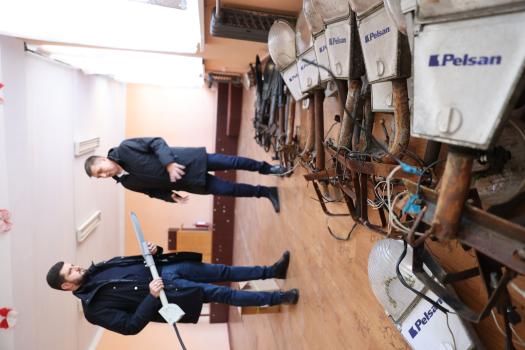


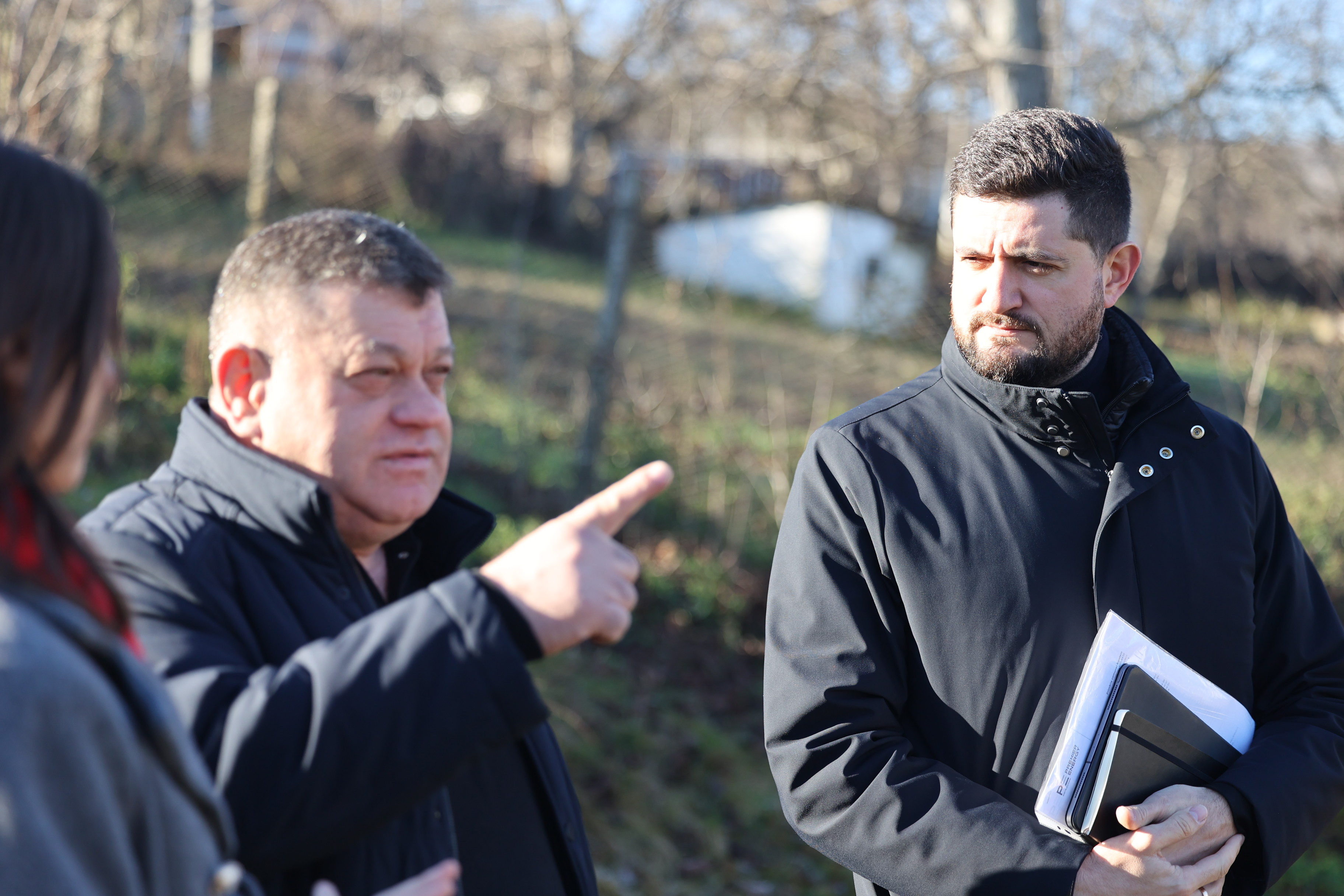
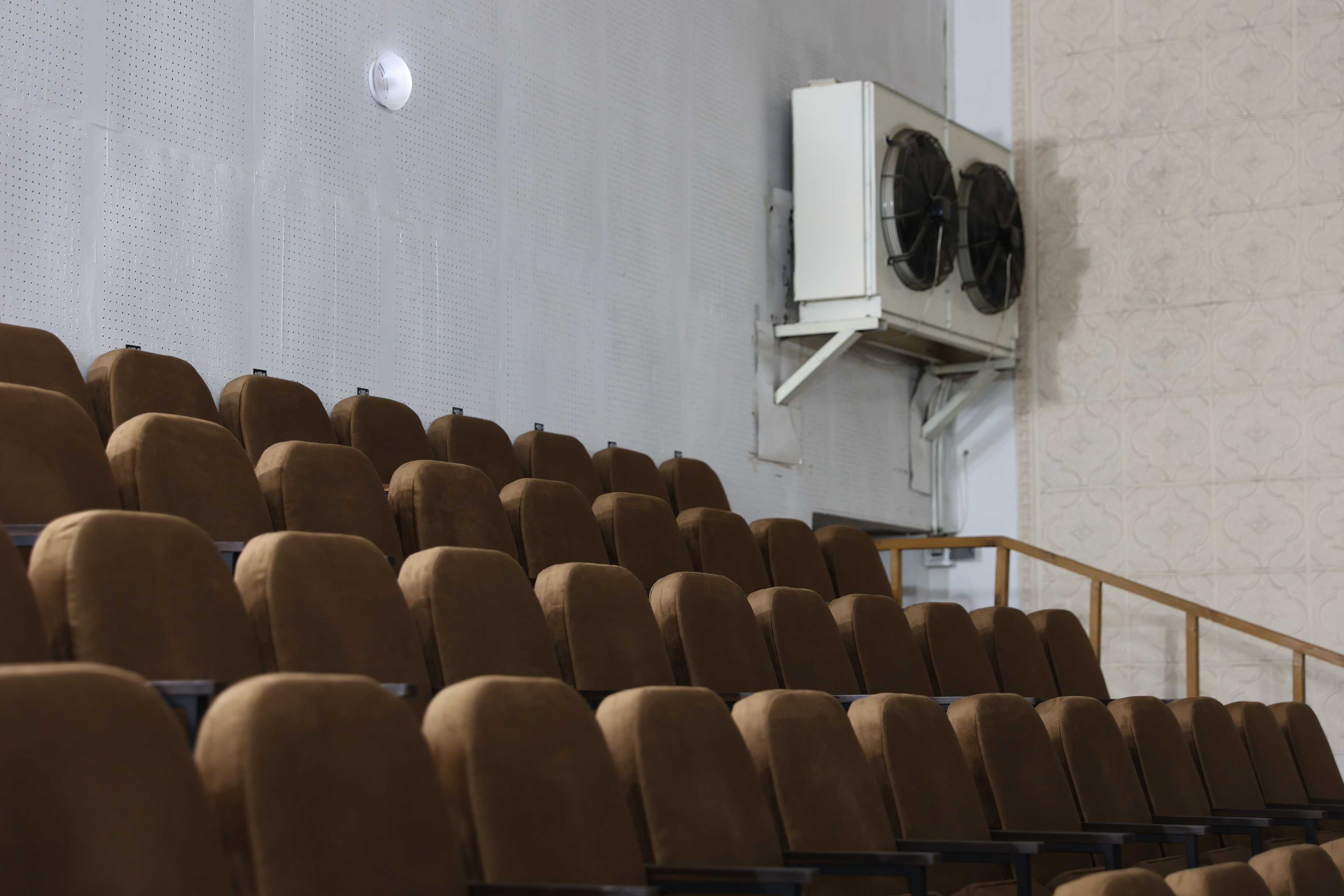
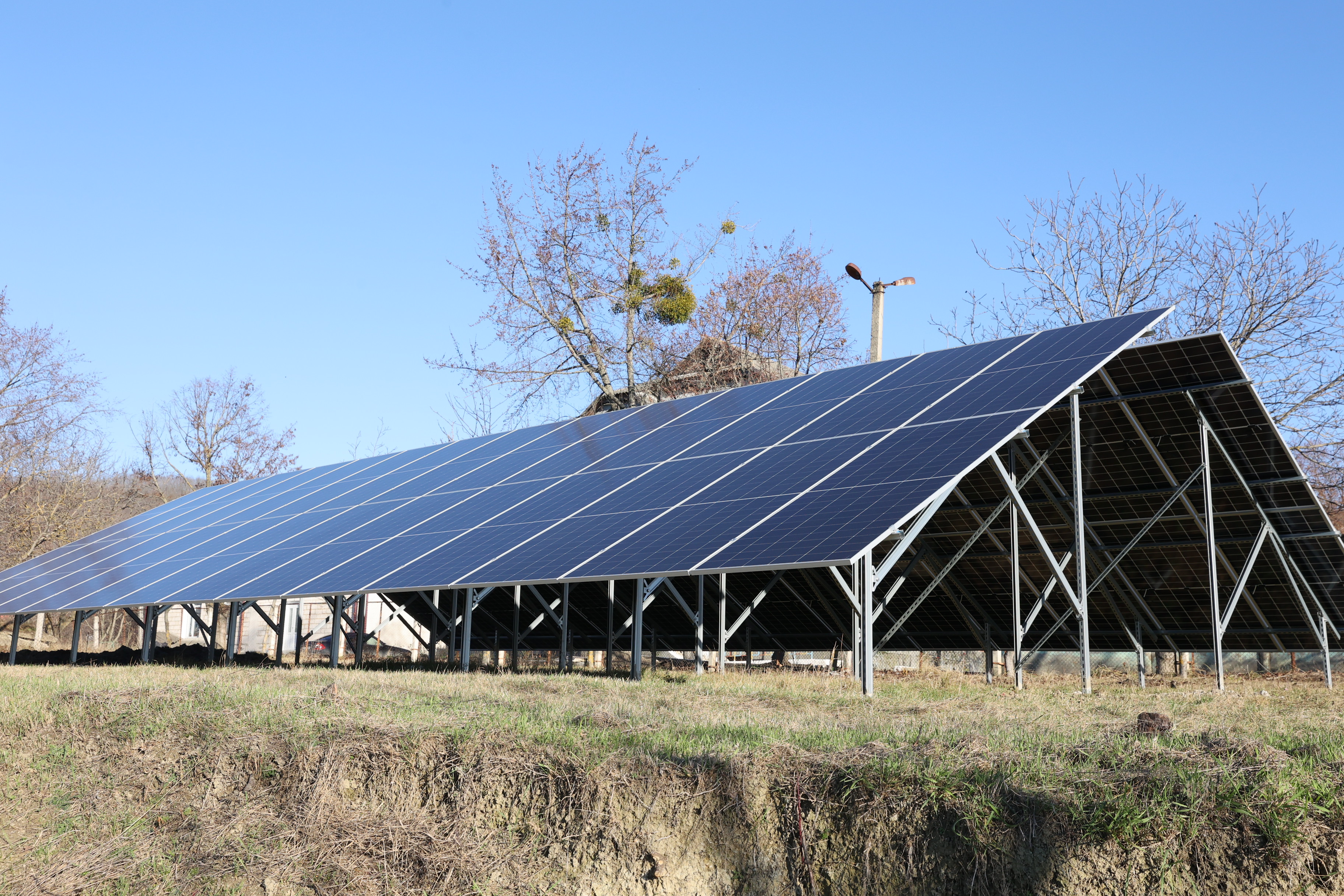
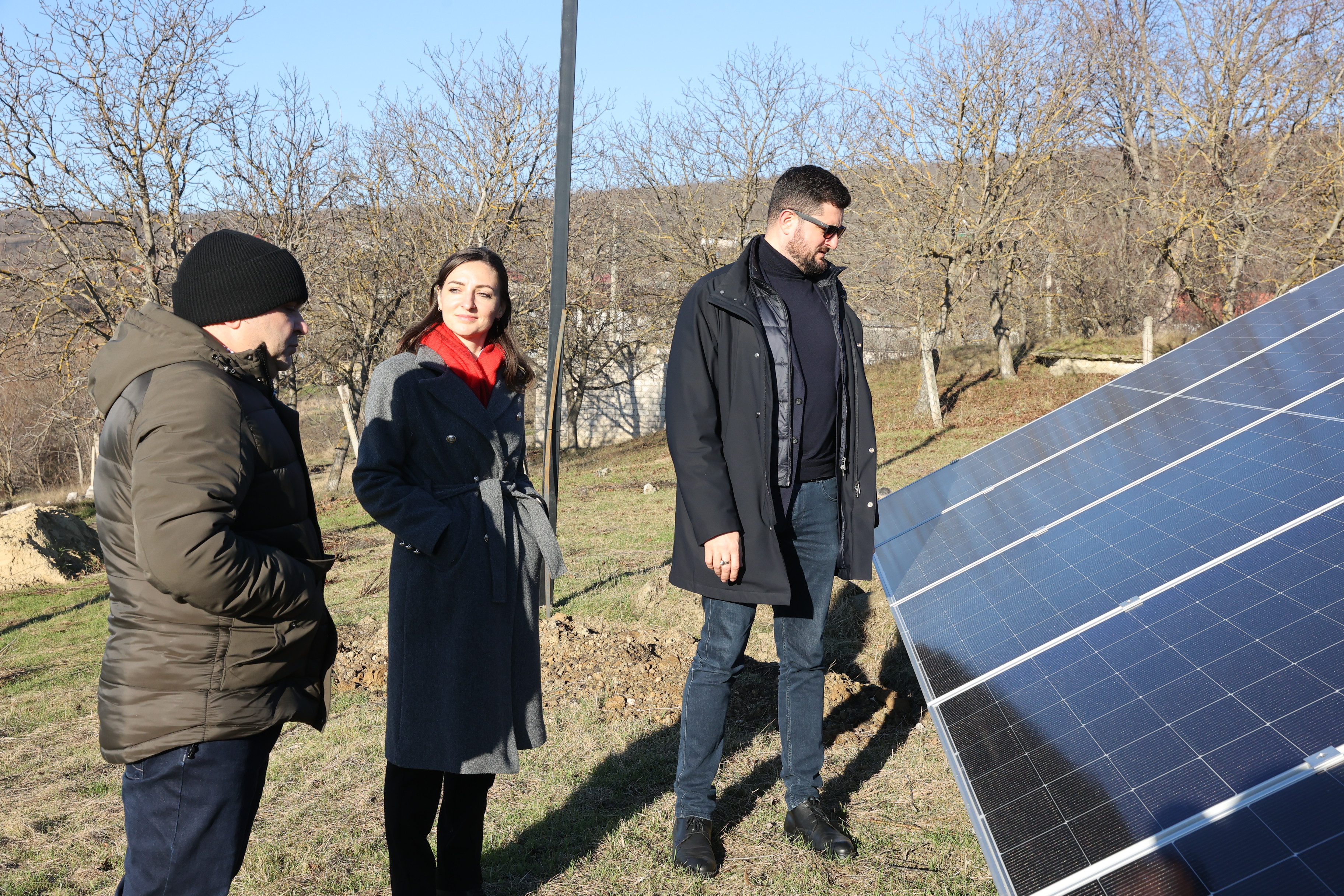
Today, the Minister of Energy, Dorin Junghietu, visited the Multifunctional Cultural Center of the commune of Sipoteni, which has become a symbol of modernization and environmental responsibility following the installation of a 57.6 kW photovoltaic system. The project was awarded within the Moldova Eco-Energetică competition, organized by the National Center for Sustainable Energy, in the category “Exemplary Role of the Public Sector in Promoting Energy Efficiency and Renewable Energy.”
The photovoltaic panels were installed in 2023 with Government support under the DAR 1+3 and European Village Express programs.
Before the installation of the photovoltaic system, the Cultural Center consumed nearly 10,000 kWh of electricity annually. In 2024, electricity consumption from the grid was reduced to zero, making the institution practically energy independent and paying 0 lei to the electricity supplier. The volume of energy produced reached 57 MWh, generating financial savings of more than 150,000 lei.
The Minister of Energy also visited the ethnographic museum and spoke with staff members and visitors of the cultural center.
“Since we switched to heating based on renewable electricity, everything is different. When children come from dance classes, they can stay without wearing jackets. It gives me great pleasure to see them dancing on stage. In previous years, we had time limits—come from this hour to that hour. Now they come whenever they have time, the door is always open, and there is not a single day when at least 9–10 children do not cross the museum’s threshold. In addition, we have an arts school, modern dance, and folk dance,” says museum curator Antonina Diaconu.
The Cultural Center hosts a branch of the arts school with 110 children, a folk dance ensemble, a brass band recognized as a model collective, a library with 408 subscribers, and an ethnographic museum visited annually by around 700 people.
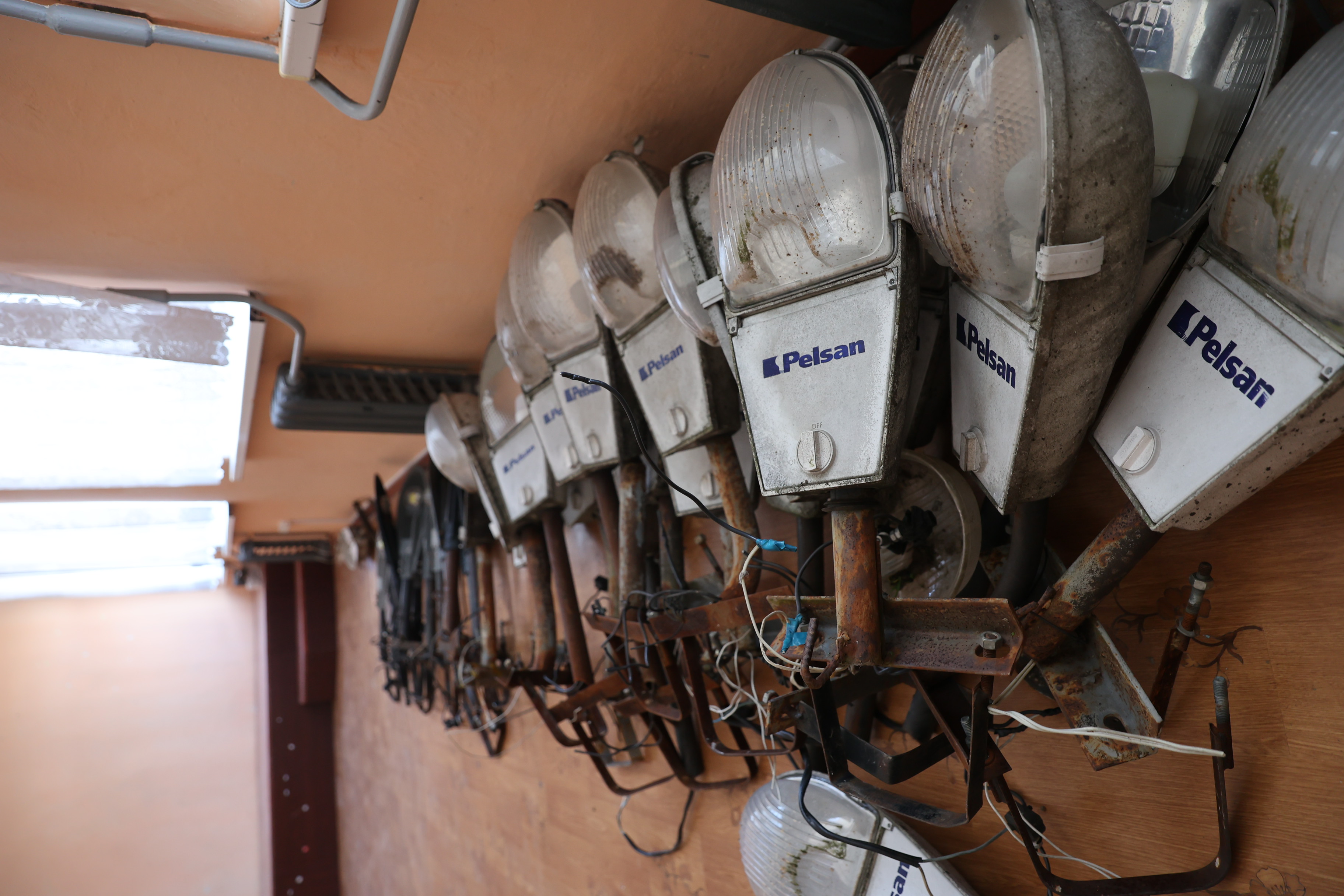
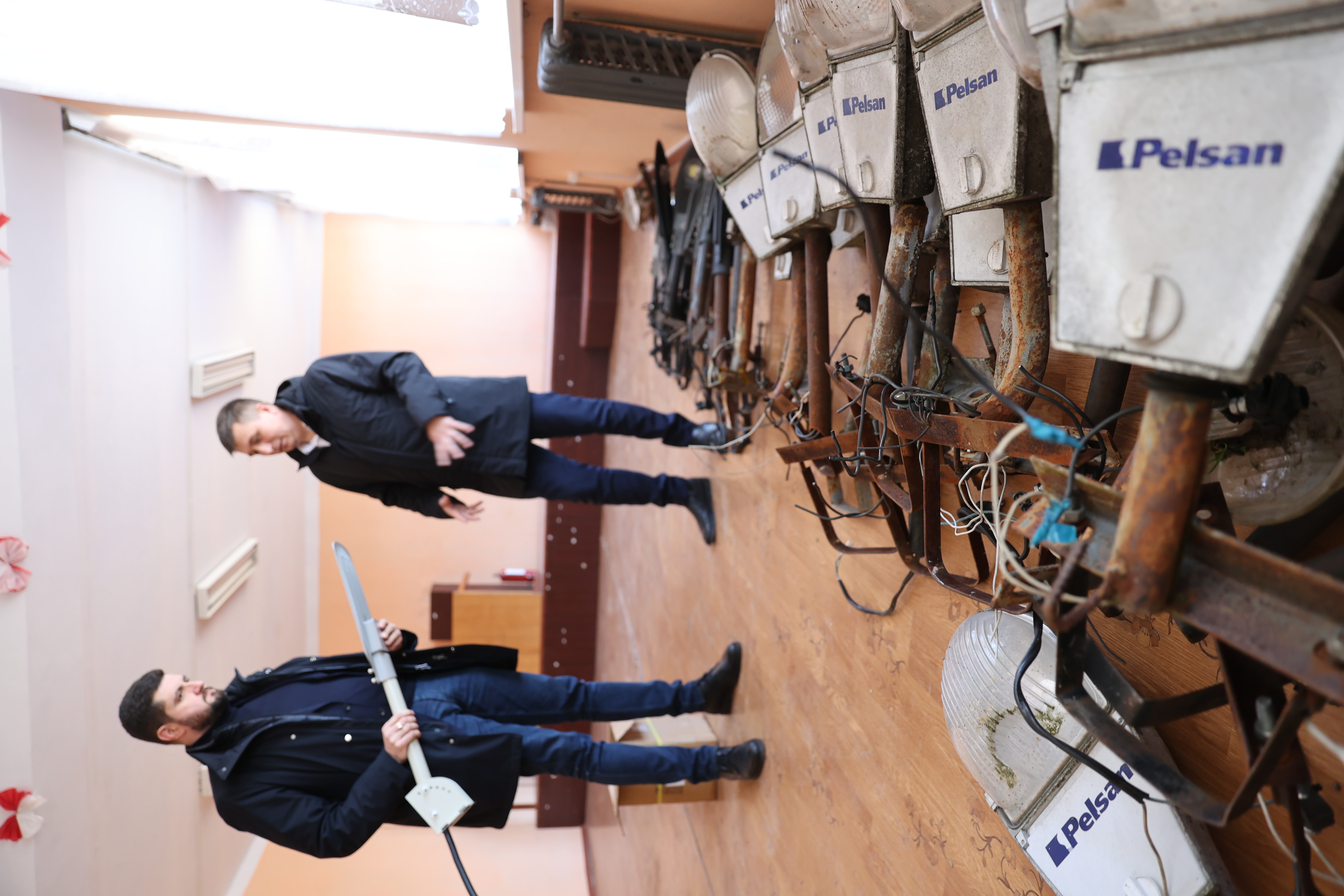
The mayor of the locality, Vasile Rață, reported that another photovoltaic park with a capacity of 162 kW has been installed near the local stadium. It will supply all consumption points of the town hall, including the street lighting system, the town hall building, water supply pumping stations, and more. At the same time, the installation of a 120 kW photovoltaic power plant and two heat pumps is planned in order to switch the kindergarten from natural gas heating to electric energy.
“It is impressive to see on the ground how the promoted policies are delivering concrete results and how people are enjoying the benefits of green energy in their daily lives. This means local production and reduced imports, lower bills, and improved thermal comfort. Another advantage of renewable energy is that it allows the electrification of heating systems, offering modern and easy-to-use solutions that also contribute to the country’s green transition,” stated Dorin Junghietu.
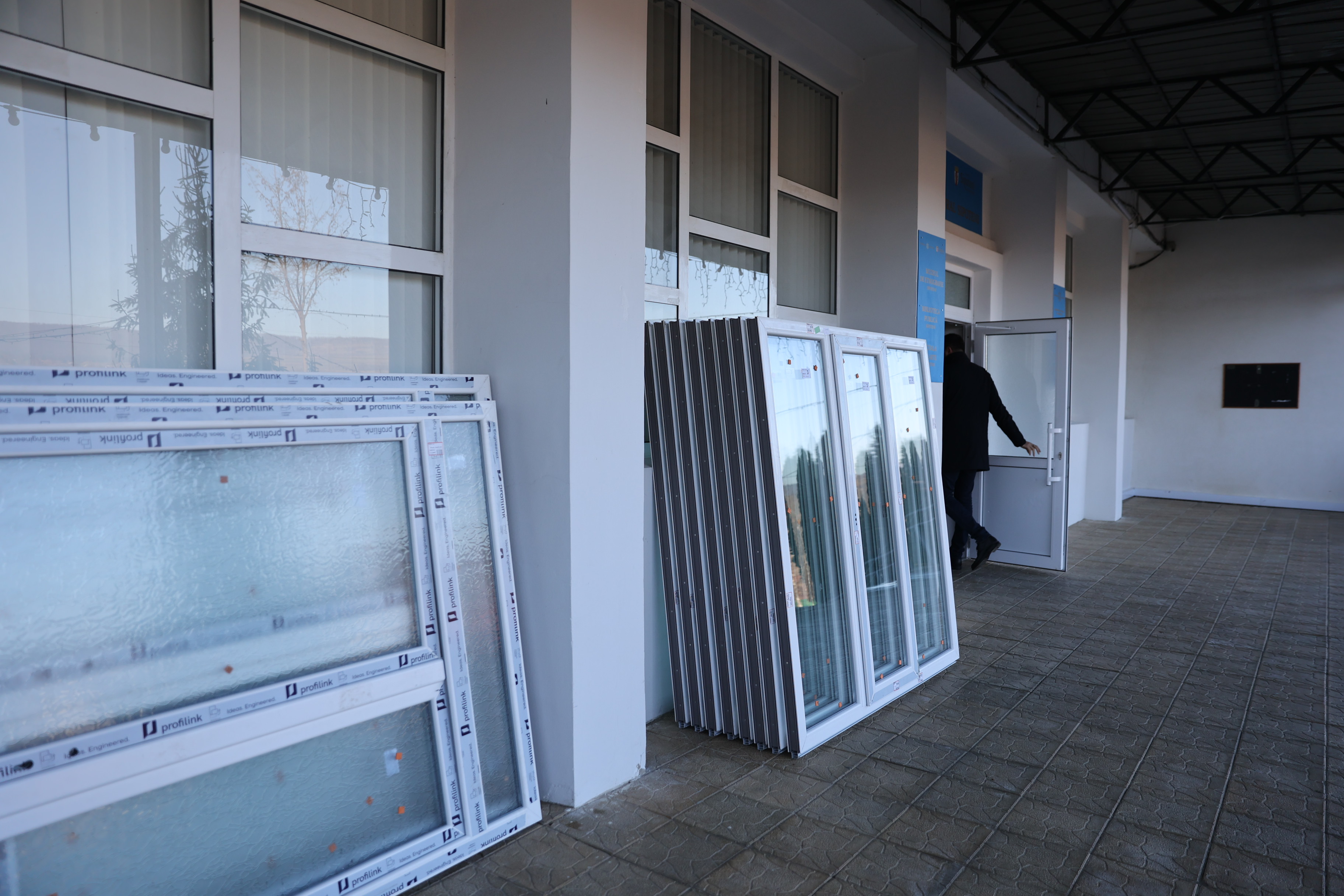
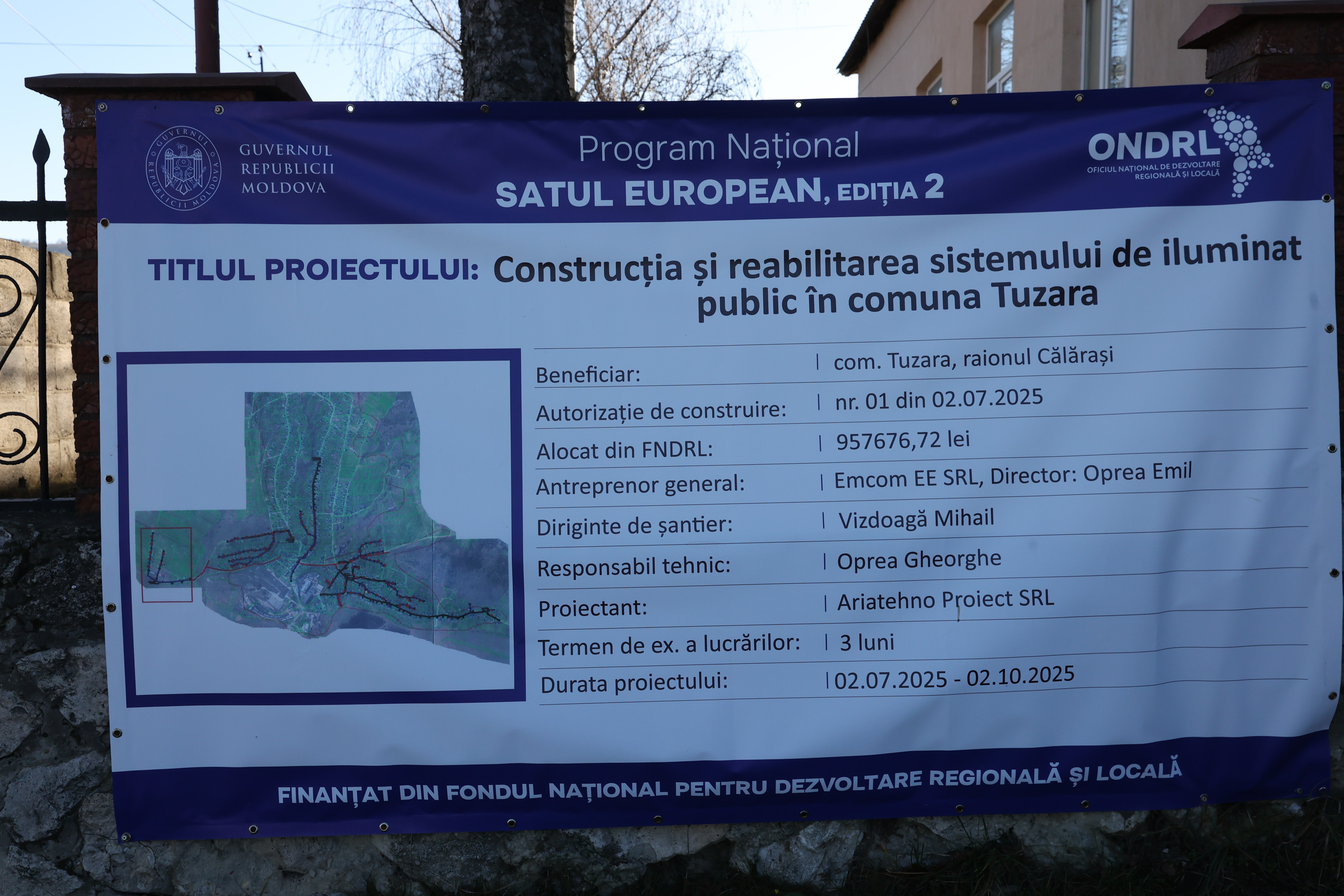
During his working visit to Călărași District, the Minister of Energy also visited the localities of Tuzara and Nișcani, which have likewise implemented a series of energy efficiency projects in public buildings and initiatives to harness renewable energy sources. Discussions with representatives of local public authorities focused on ways to facilitate renewable energy projects and the necessary interventions.
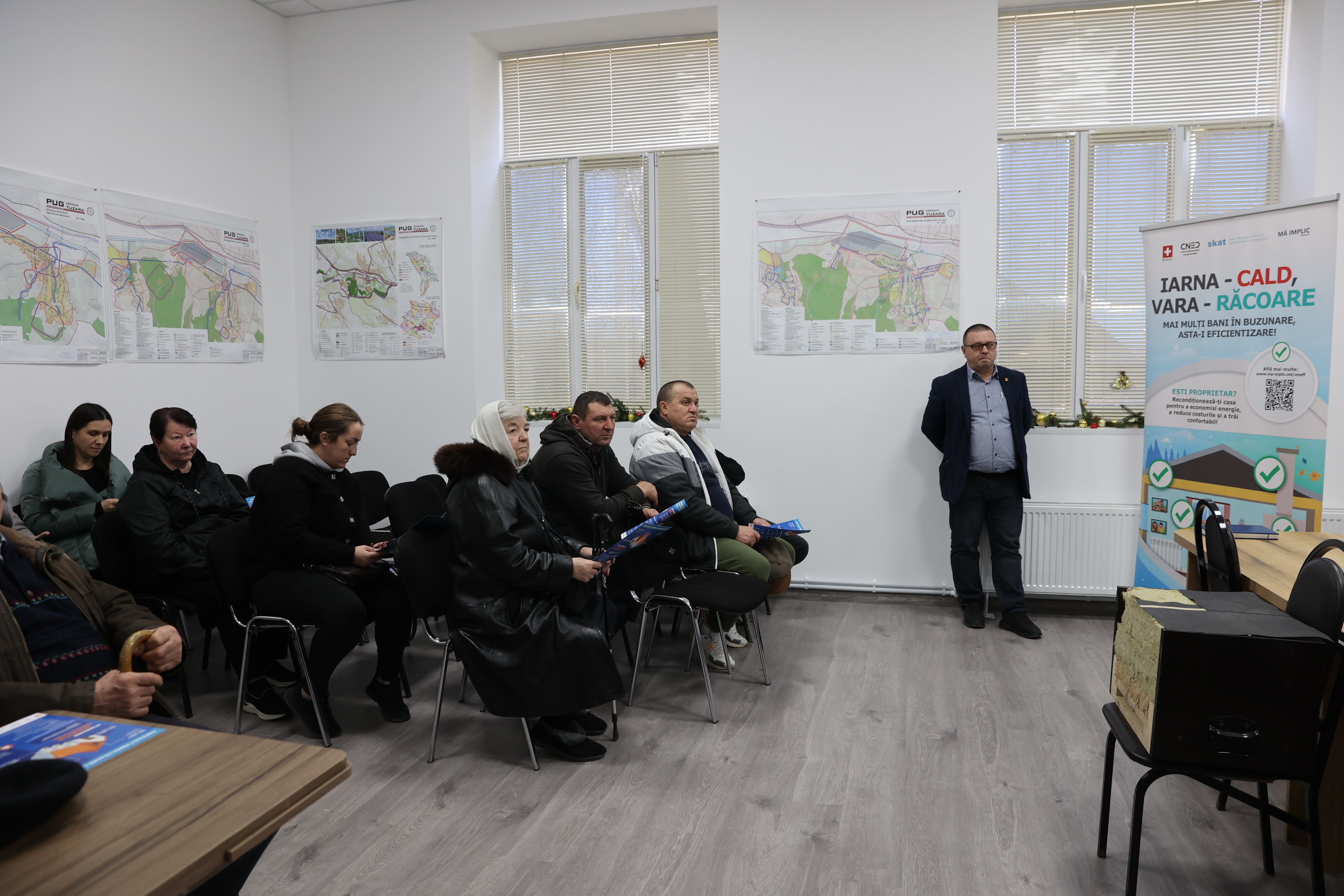
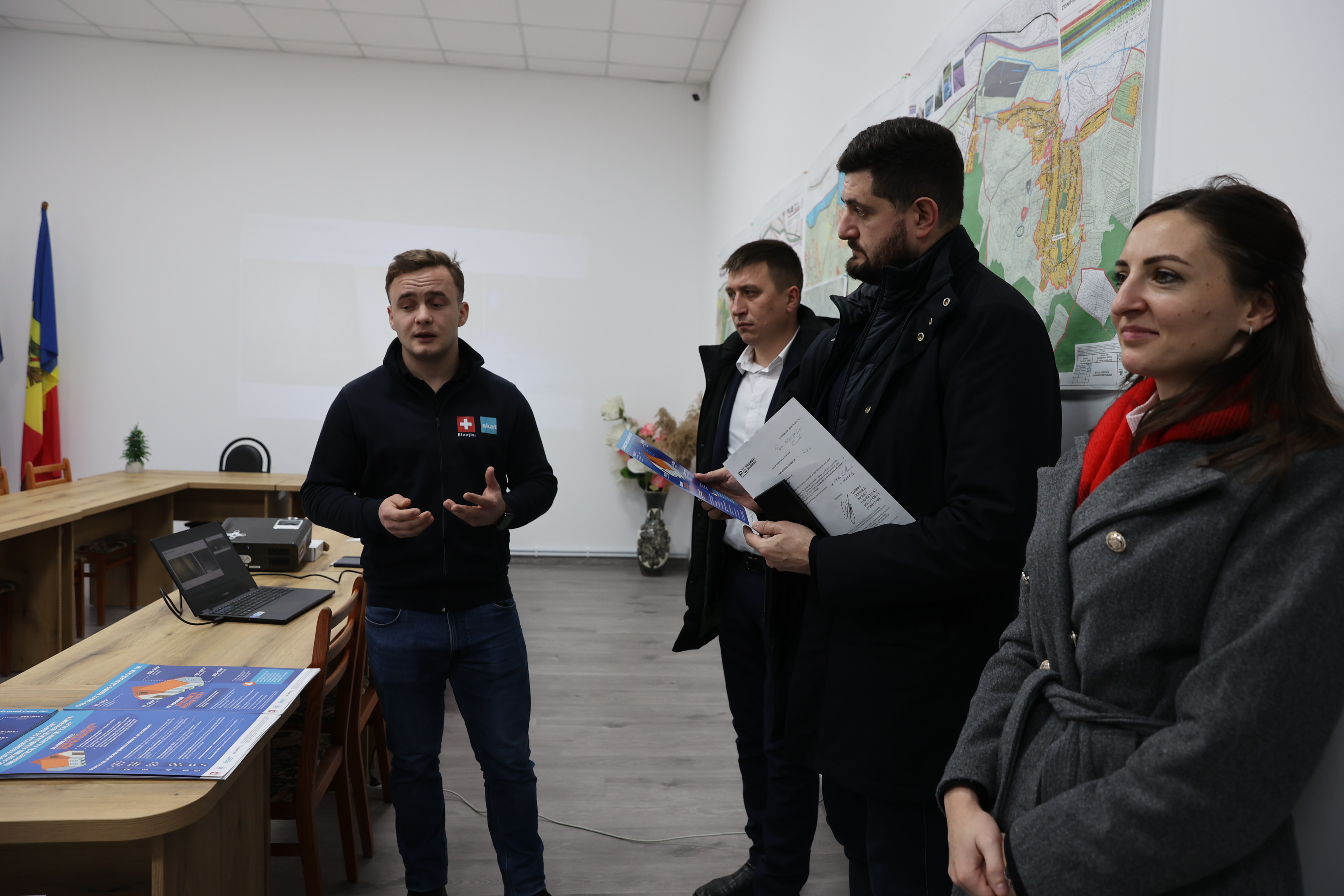
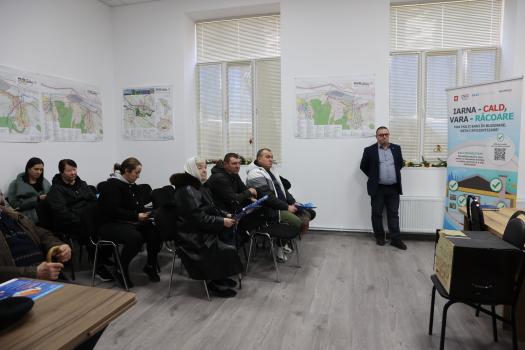
At the same time, in Tuzara, Dorin Junghietu also took part in an information session for residents on the possibility of thermally insulating their homes with the support of the MĂ IMPLIC Project, financed by the Swiss Agency for Development and Cooperation (SDC) and implemented by Skat Consulting Ltd.
Images