Amendments to the law on energy labeling of energy-related products the subject of a workshop
- 690 reads
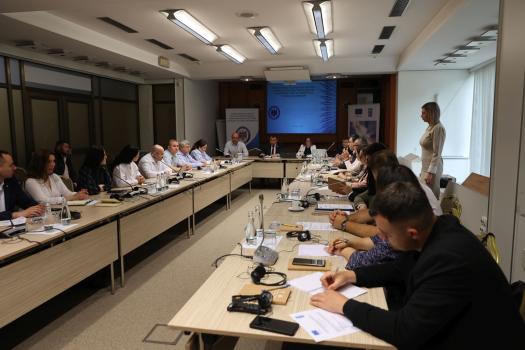
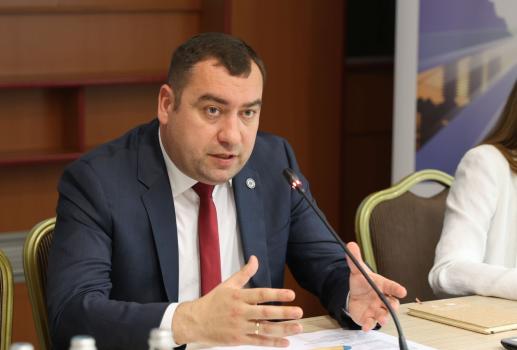
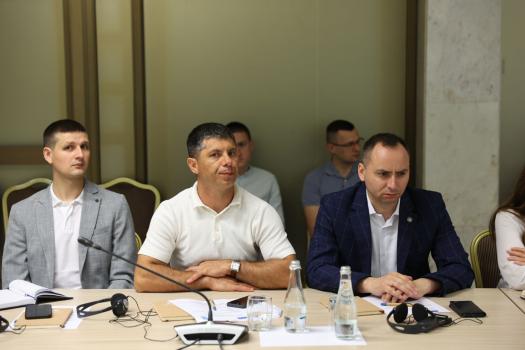
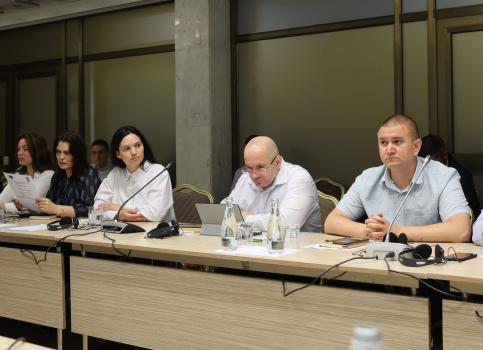
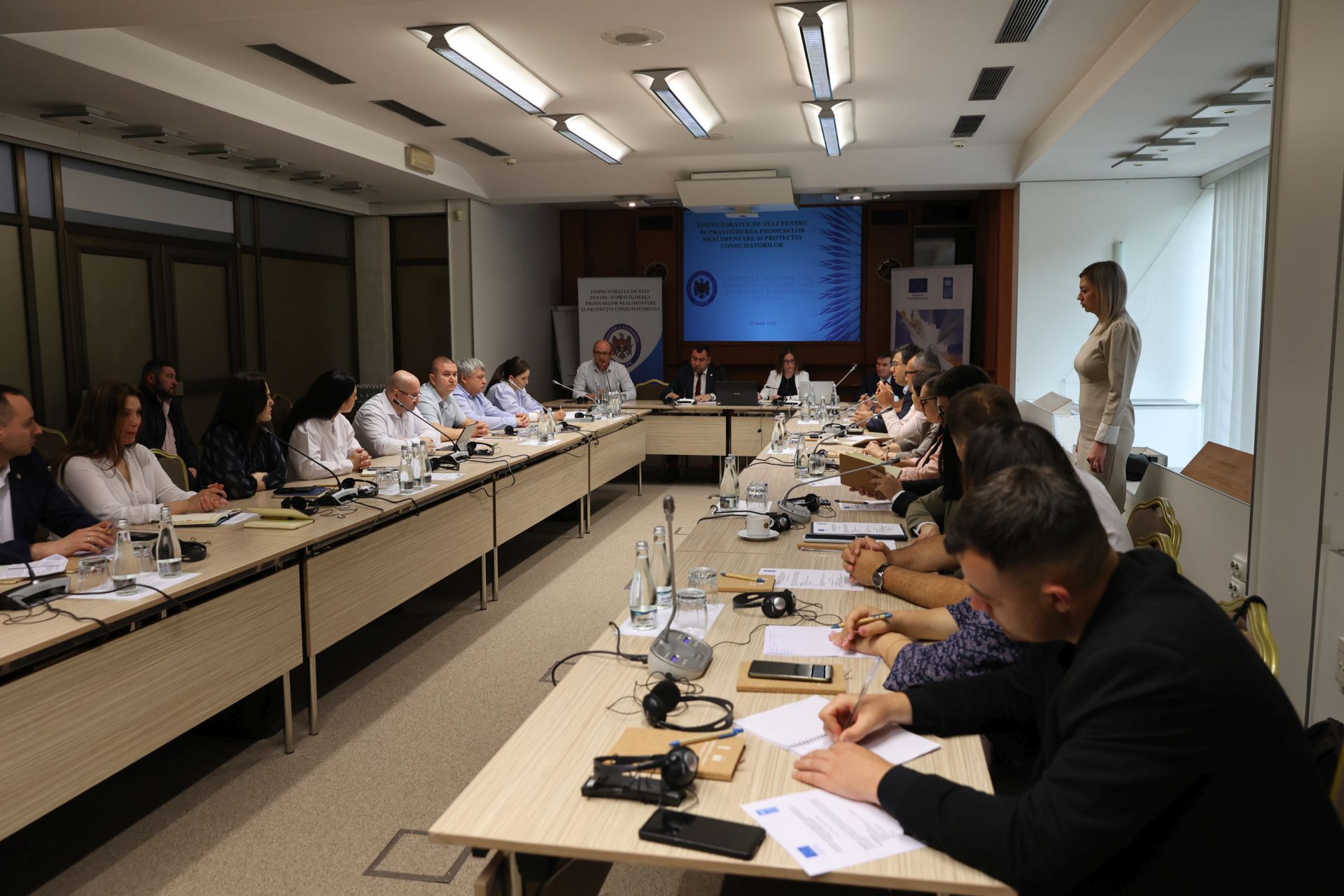
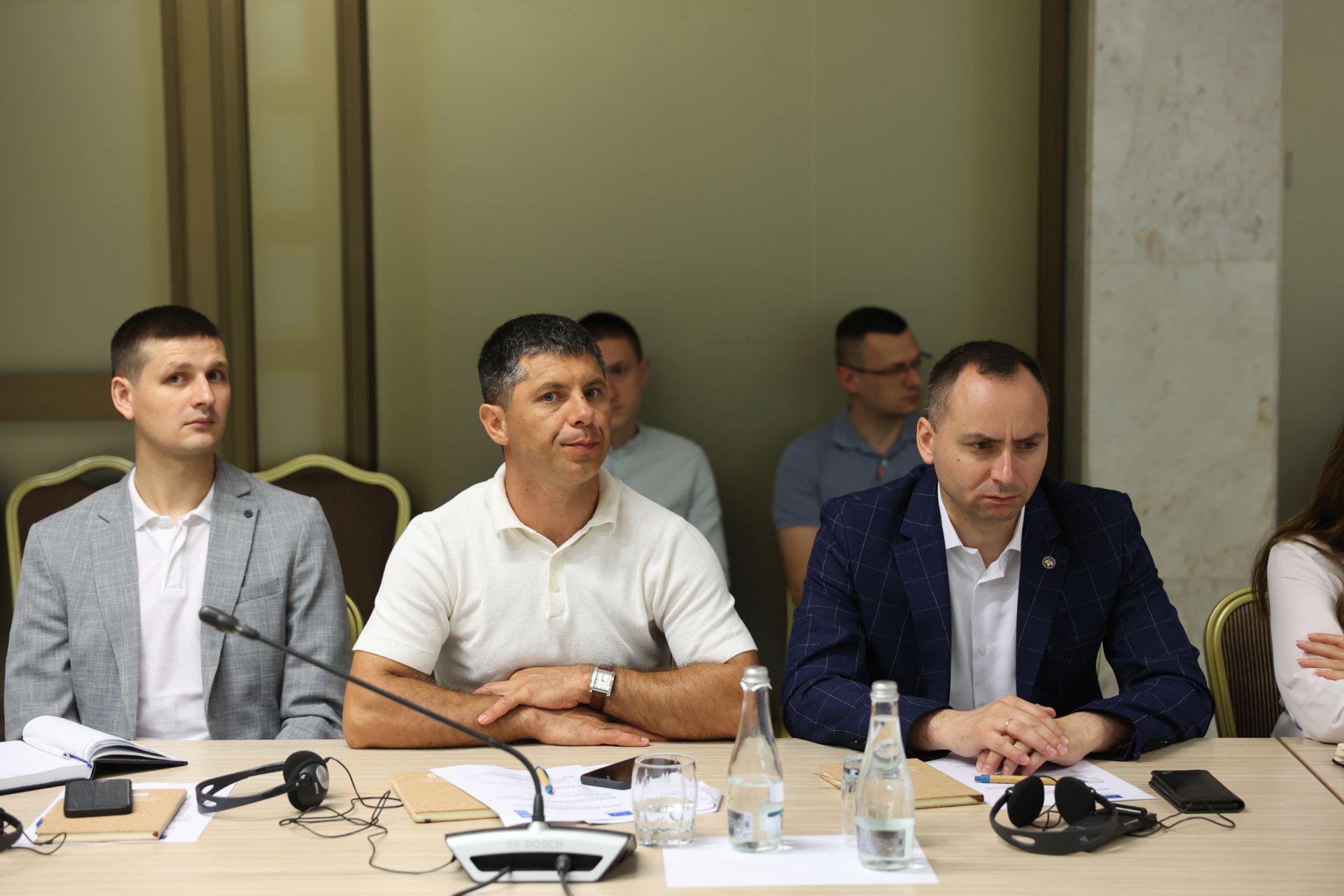
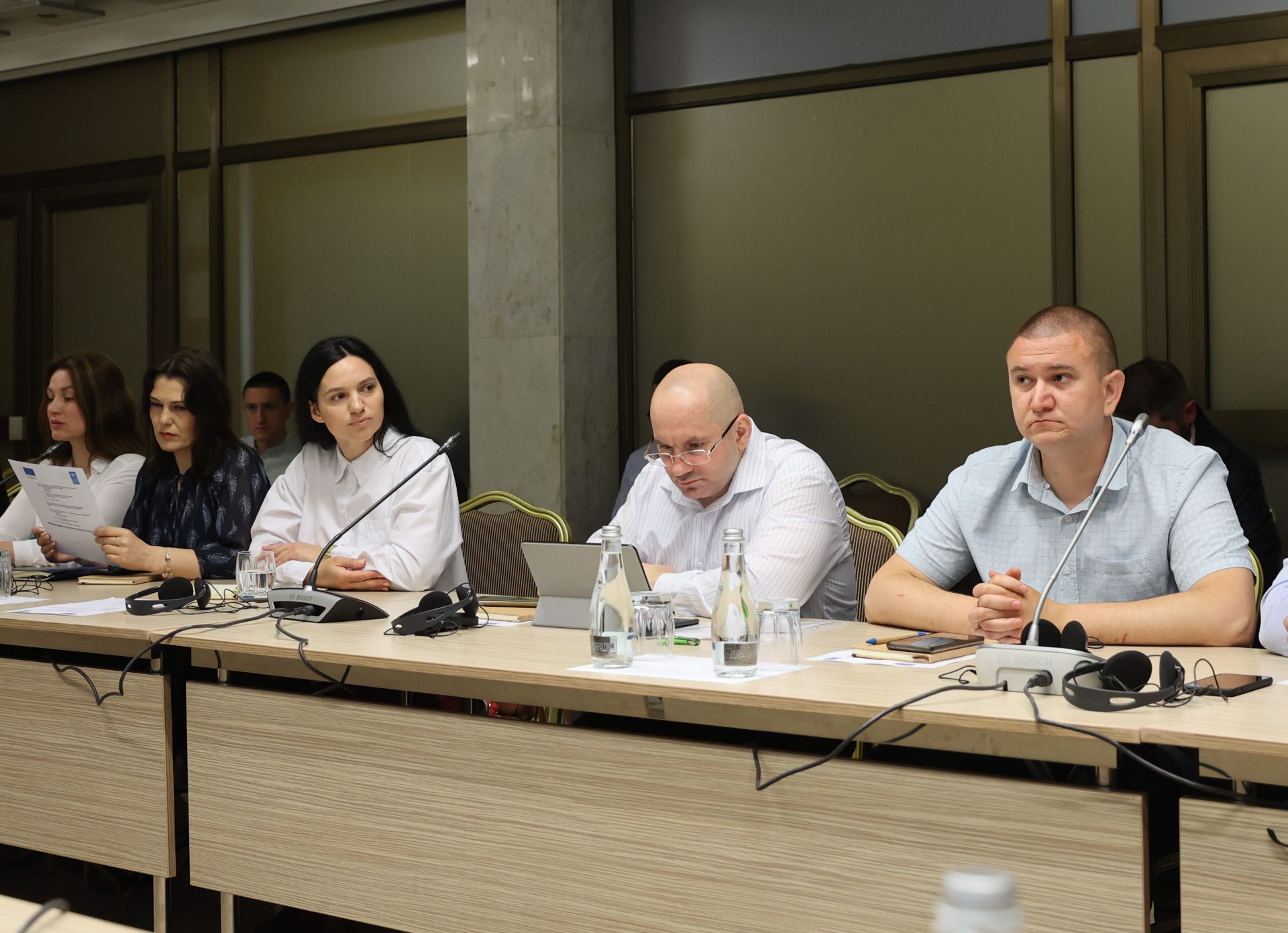
Economic agents who import and sell household appliances, customs inspectors and those responsible for the supervision of non-food products and consumer protection attended a workshop on Monday, June 19, on amendments to the law on labeling of energy-using products. The workshop was organized with the support of UNDP Moldova, which is set to launch next month the "Rabla household appliances" program to replace energy inefficient household appliances, within the framework of the EU-funded project "Addressing the impact of the energy crisis in the Republic of Moldova".
The amendments to the law transpose into national law the European directive providing for a simpler energy efficiency scale (from A+++ to D at present, from A to G), which is easier for consumers to understand in order to make conscious choices.
The aim of the Ecodesign Directive stimulates the market by reducing the number of less efficient appliances, making a significant contribution to energy savings and lower bills, while promoting innovation and investment in the production of more energy efficient appliances.
Present at the event, State Secretary at the Ministry of Energy, Carolina Novac, said that the interventions to the law are for the benefit of citizens, because over time they will get lower utility bills. The ministry aims to ensure that the new regulatory framework is correctly applied by the relevant institutions. The long-term perspective also aims to reduce environmental impacts, as Moldova aims to reach the zero-carbon target by 2050.
"The largest share of energy consumption in the Republic of Moldova is accounted for by buildings, including household appliances. Energy efficiency is not only about changing windows, insulating buildings and roofs. It is very well known that in households, a refrigerator consumes more than 50% of household energy. It's one thing to have an old fridge, it's another to have an energy efficient one - this is immediately reflected in the bill," said Carolina Novac.
Mihai Lupu, the team leader and UNDP Moldova consultant in the EU-funded project "Addressing the impact of the energy crisis in the Republic of Moldova", said that one of the aims of the workshop was for the authorities to better communicate and cooperate in the market surveillance process. A survey conducted in the EU shows that 80% of respondents believe not enough resources are allocated to market surveillance authorities.
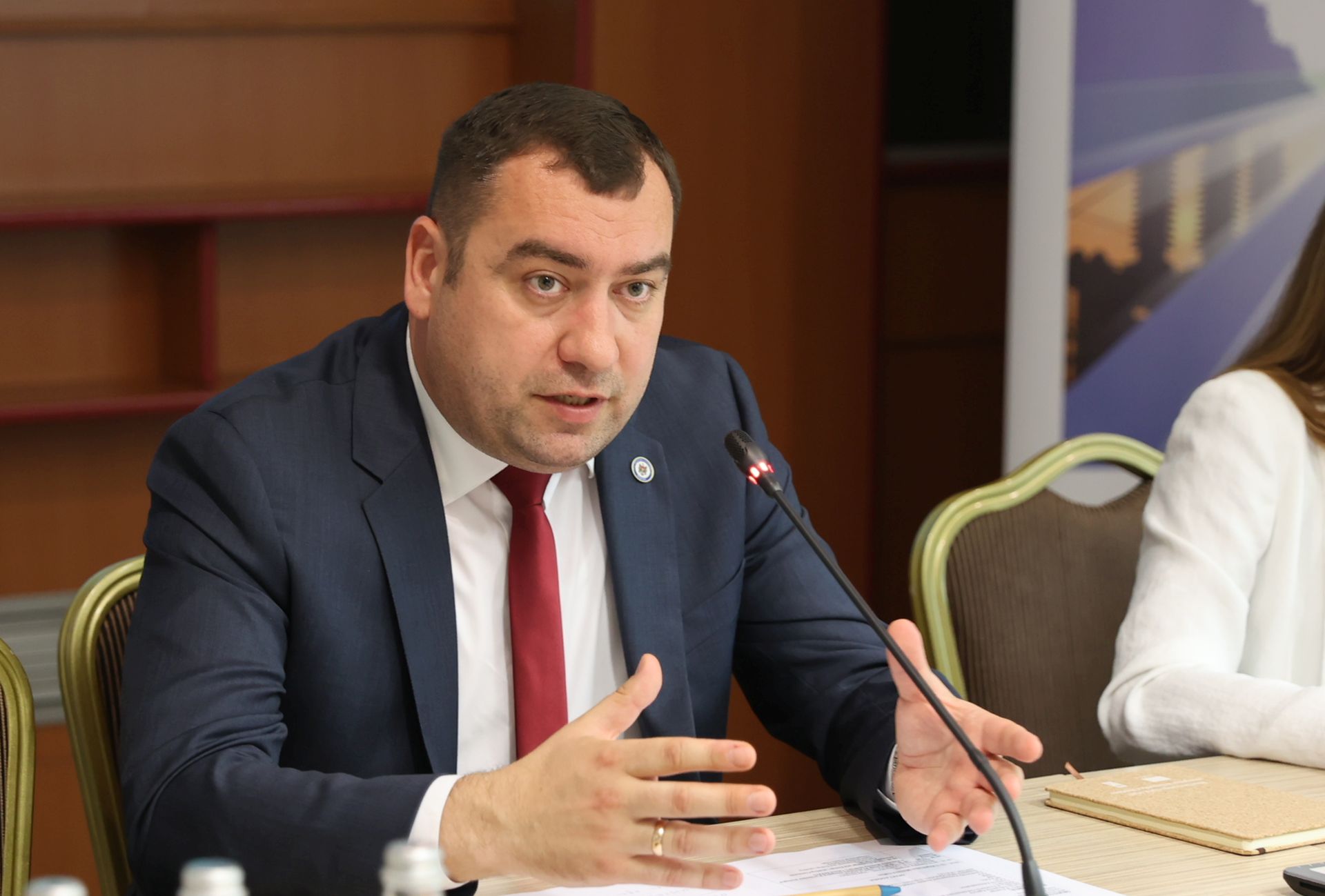
"Companies that import household appliances will play a significant role in the process of replacing old energy equipment with energy-efficient ones. That is why the State Inspectorate for the Supervision of Non-Food Products and Consumer Protection will be strengthened in terms of communication with economic agents, as well as in terms of supervision," said Mihai Lupu.
Inspectorate Director Sergiu Dărănuță welcomed the fact that the Republic of Moldova will implement a program similar to Romania's "Rabla household appliances" program. "We aim to monitor the market dynamics of energy-related products. Citizens must understand that investing today in an energy-efficient product will save them money over time, will be supported by the state and will make us Europeans in every sense of the word," he added.
Estimates show that in the EU between 10-25% of products placed on the market are non-compliant with eco-design requirements - products offered for sale without energy labels displayed or with the label displayed in an insufficient way (e.g. hidden or covered label). About 10% of the expected energy savings are lost due to these non-compliances.
Analyses in the Republic of Moldova show that these figures can be double figures, due to the fact that the authority responsible for market monitoring has human and budgetary constraints, but also due to the lack of clear monitoring and reporting procedures.
Images