Start testing financing mechanisms under the Residential Energy Efficiency Fund

A 17-storey building in Balti with about 200 apartments will serve as a model for testing the Residential Energy Efficiency Fund, created by the Ministry of Energy with the support of the Independent Analytical Center Expert-Grup. The investments will be realized over a period of one year, with the financial support of the Embassy of the Kingdom of the Netherlands in the Republic of Moldova, co-financed by the Slovak Agency for International Development Cooperation, as well as a contribution from the apartment owners.
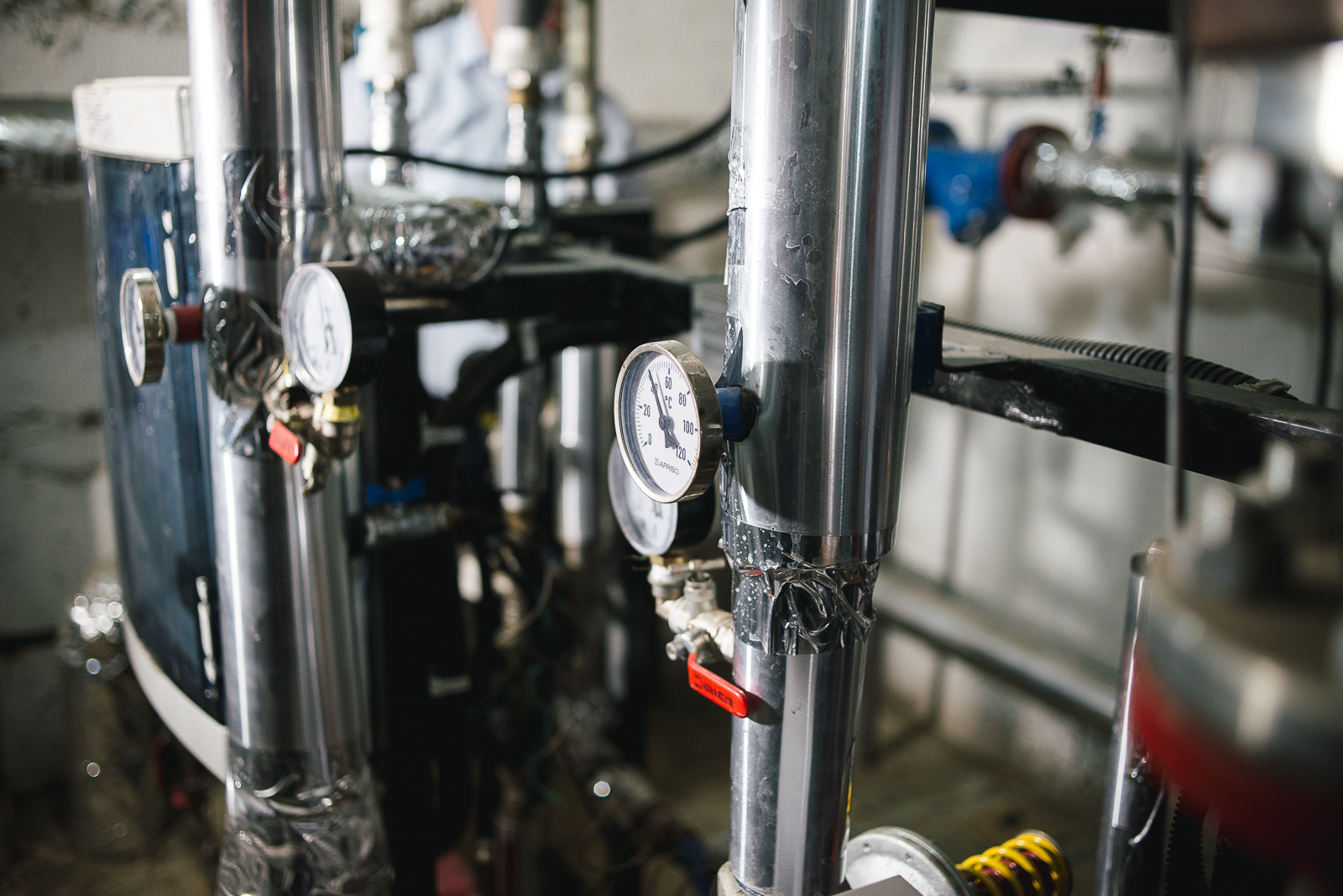
An energy audit was carried out on this building within the framework of the project "First Rândunele", implemented by Expert-Grup Center. Also in 2021, the internal heat distribution network was changed from the Soviet-style vertical to a more efficient horizontal one, with heat and hot water control panels on each floor and meters for each apartment. In the first winter of using the new central heating distribution system, the residents of this block received about 40% lower bills.
Because of the concrete walls, other energy efficiency measures are needed to prevent heat loss. The energy audit showed that insulating the external walls will significantly reduce the energy bills of the residents by about a third. The project will involve specialists ranging from designers, architects, builders and technical managers to ensure the quality of the work.
The financing mechanism of the pilot project is complex and involves financial resources from donors (80%) and co-financing from tenants, including half of the tenants' own contribution will be financed by a bank loan taken out by the tenants' association, a solution applied for the first time in the Republic of Moldova and which will give an important boost to the tenants' association credit market.
Once the new mechanisms for financing energy efficiency projects for residential blocks have been tested, they will be taken over by the Agency for Energy Efficiency from next year.
Thus, the pilot project will run for 12 months and will consist of the following basic stages:
Identification on the basis of a competitive tender and contracting the company for the elaboration of the project documentation, the architectural solution of the facade, obtaining the necessary permit documents and establishing the technical requirements for the insulation works of the block.
Identify on the basis of a competitive tender and contract the technical officer who will check the works and their quality throughout the project.
Identify on the basis of a competitive tender and contract the company that will carry out the insulation and façade rehabilitation works.
Mobilization of the tenants' association's own contribution (20% of the total investment value) and signature of the loan contract with the bank for half of the tenants' association's own contribution.
Thermal insulation and facade renovation works, monitoring and quality control and handover of the work.
The Independent Analytical Center Expert-Grup is assisting the Ministry of Energy and the Agency for Energy Efficiency, which will be reformed into the National Center for Sustainable Energy, in the process of setting up the Residential Energy Efficiency Fund, developing regulations, operational manual, energy efficiency obligations scheme, improving the regulatory framework, in order to be able to replicate such projects in other residential blocks.
 [1]
[1]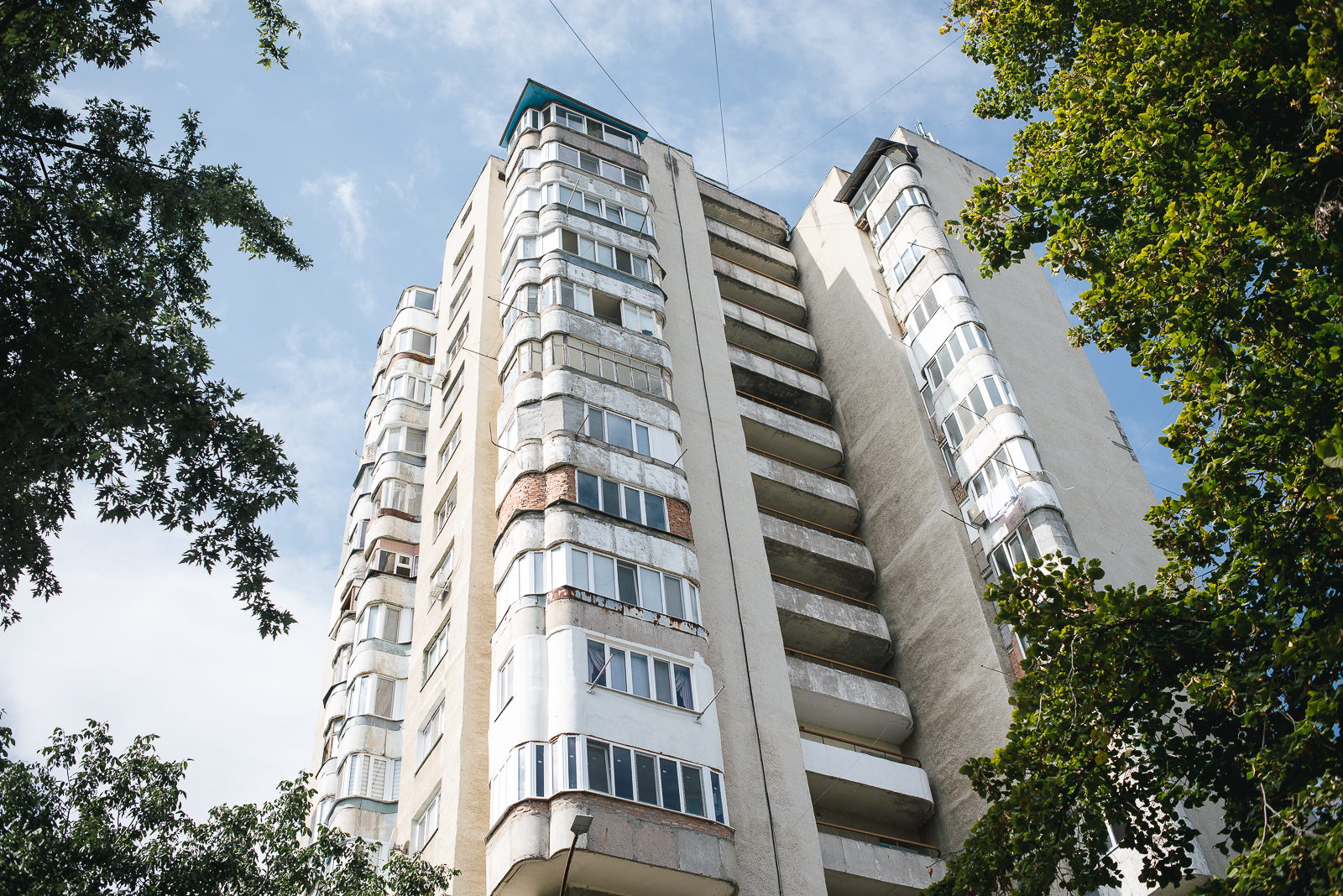 [2]
[2]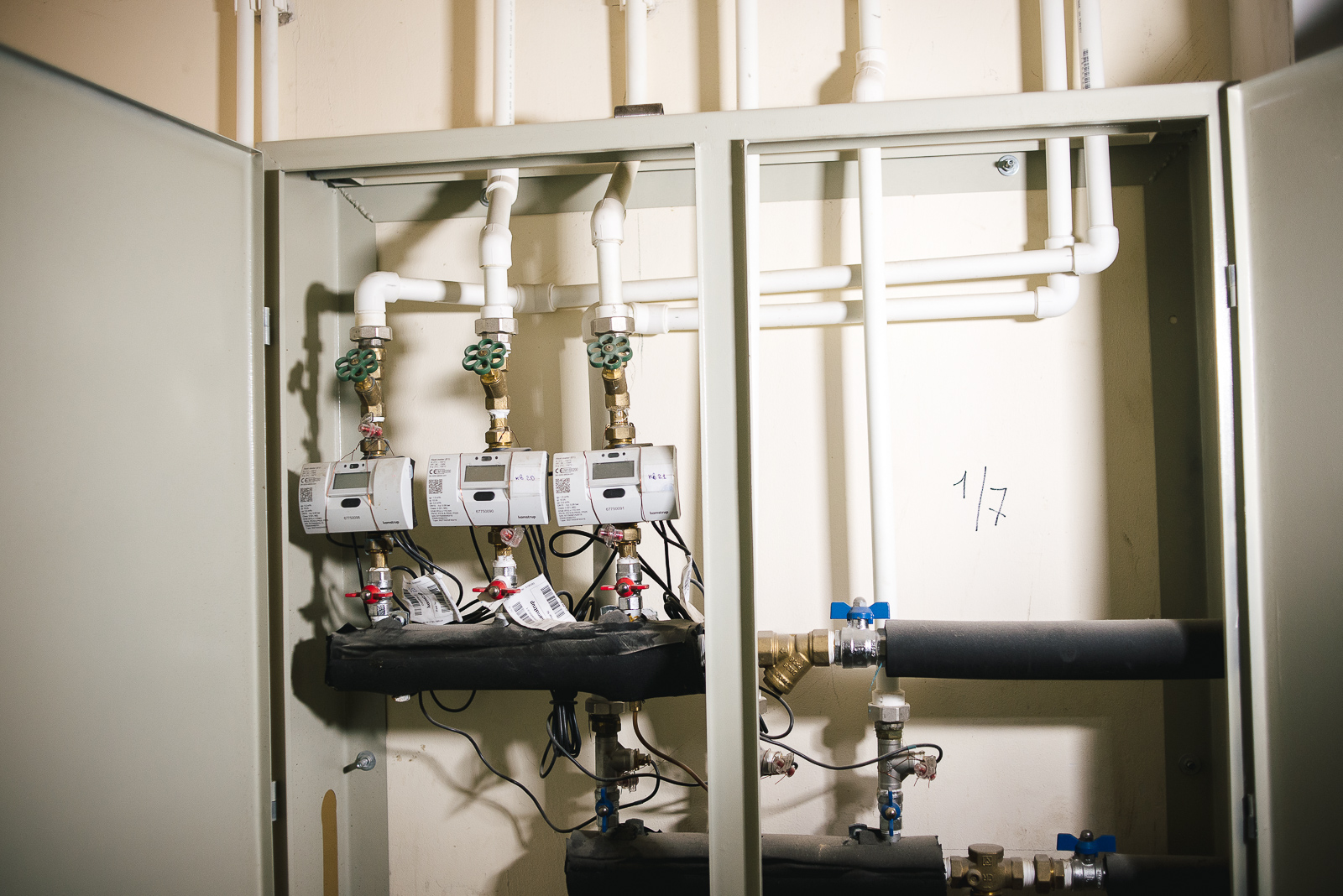 [3]
[3]