The Republic of Moldova Advances Energy Reforms and Accelerates Strategic Infrastructure Investments with Support from Development Partners

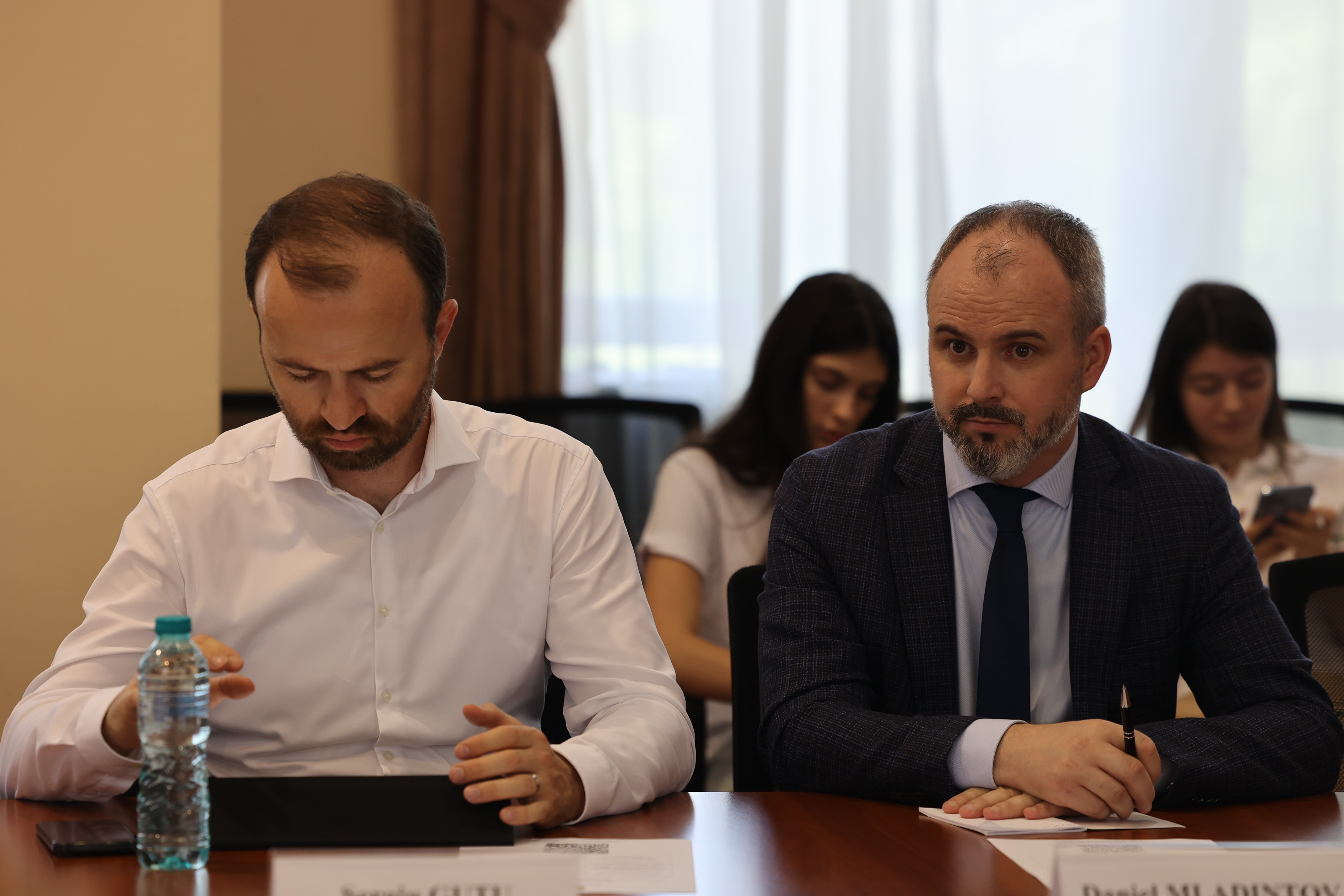
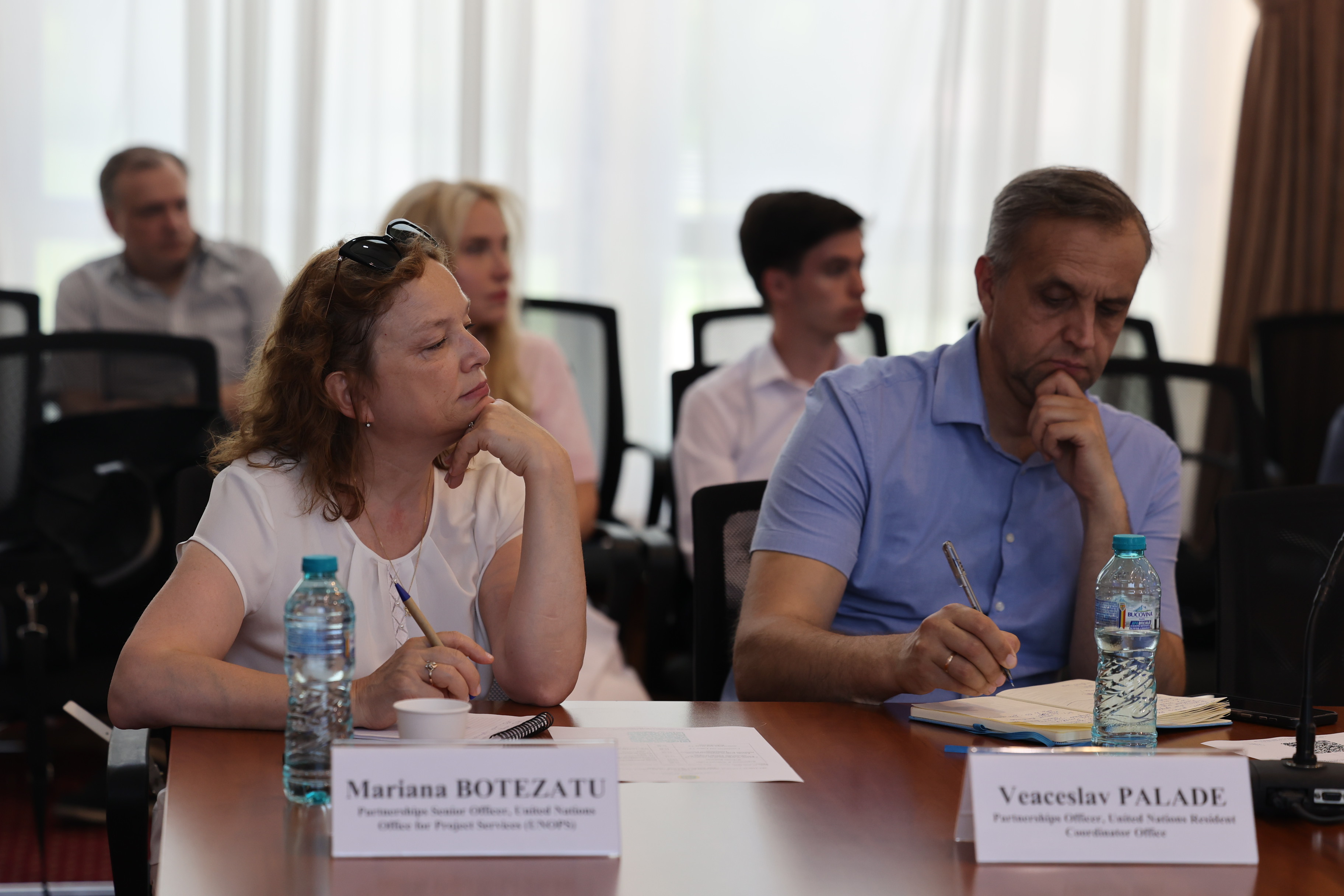
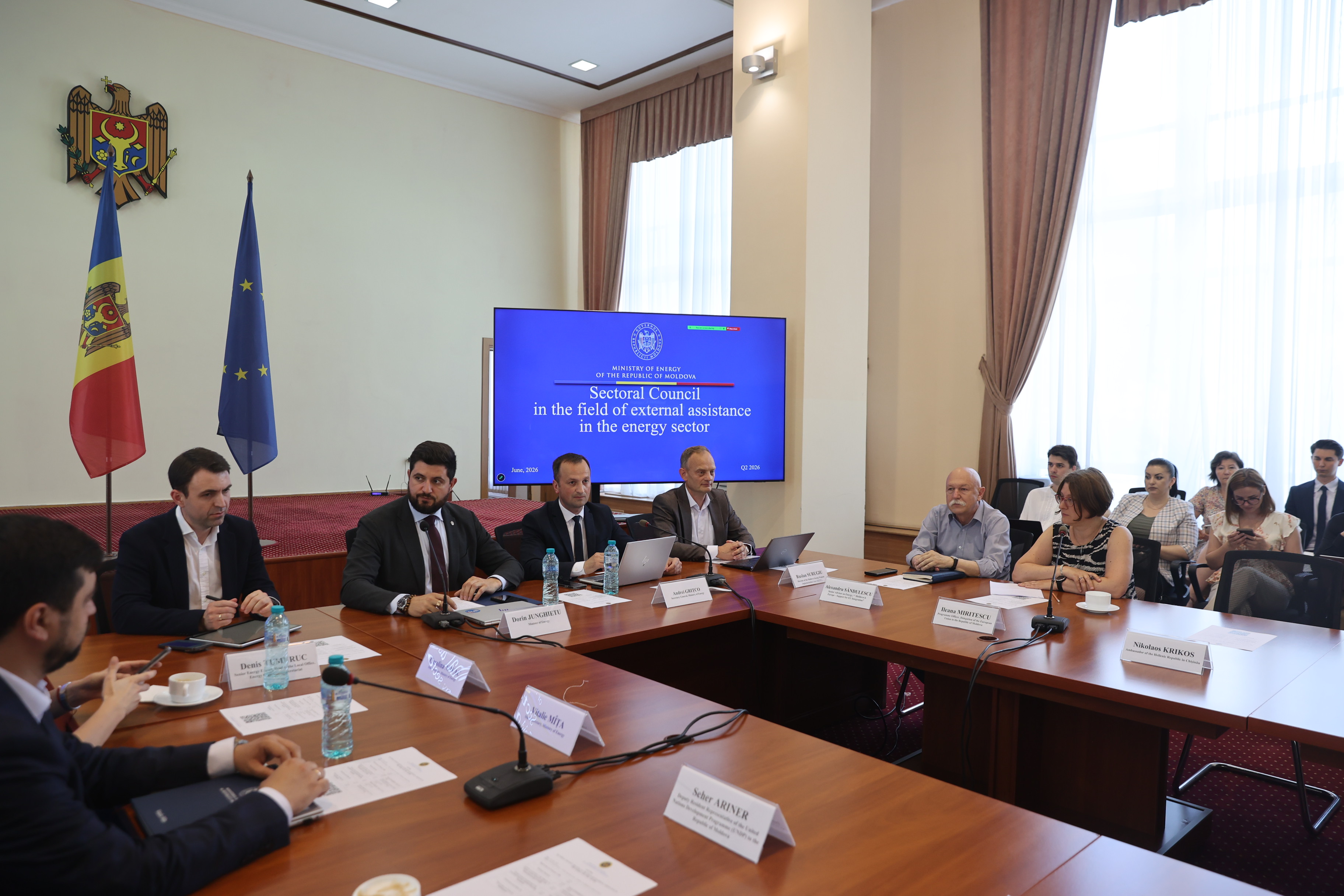
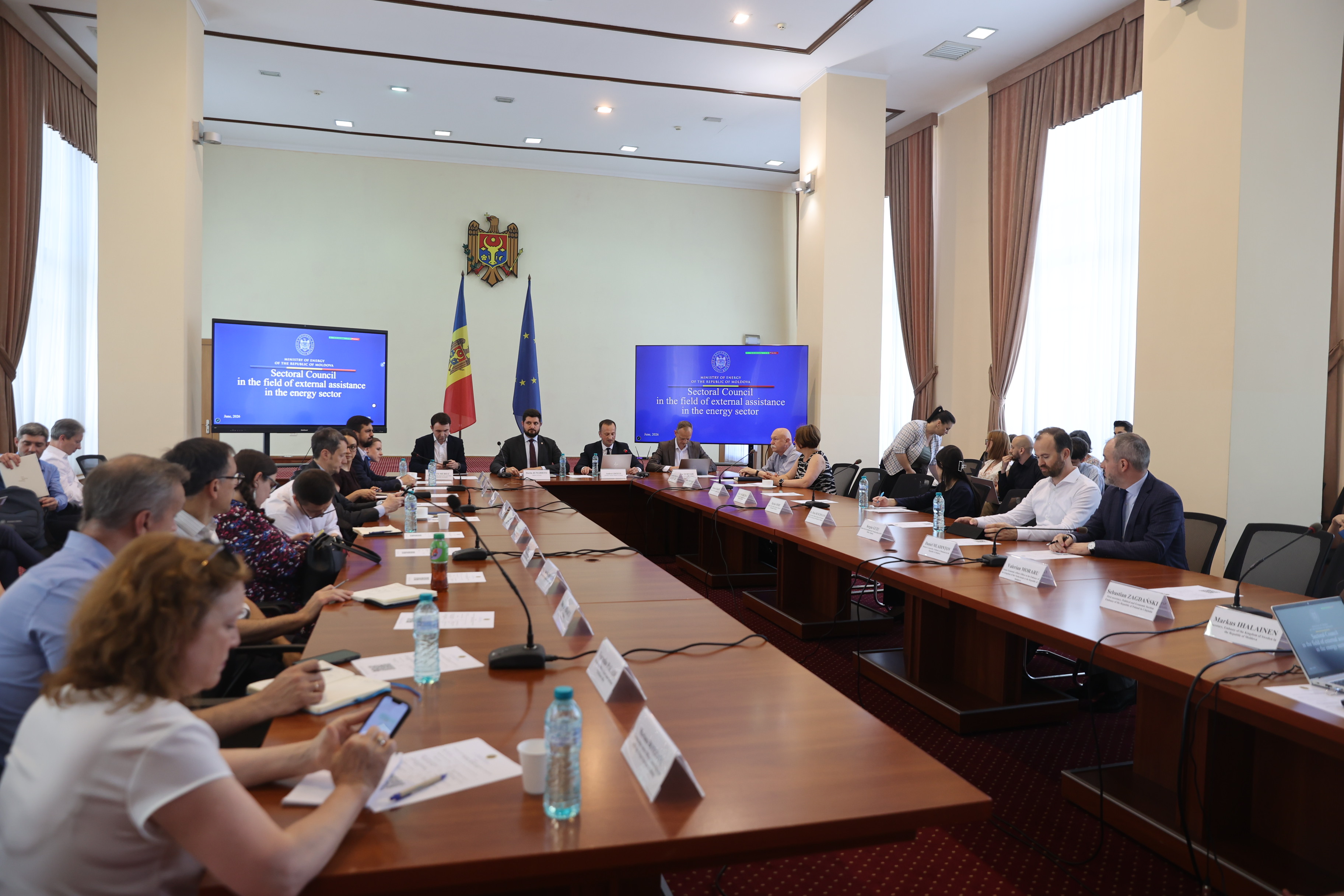
The Ministry of Energy today held a new meeting of the Sector Council for External Assistance in the Energy Sector, a platform bringing together national institutions and development partners to coordinate reforms and investments in the energy sector.
The meeting was attended by representatives of the Energy Community Secretariat, the Delegation of the European Union, the United Nations Development Programme (UNDP), the World Bank, the European Bank for Reconstruction and Development (EBRD), the European Investment Bank (EIB), as well as other international financial institutions and organizations involved in the development of the Republic of Moldova’s energy sector.
During the meeting, the main progress achieved in implementing the reforms undertaken by Moldova as part of its integration into the European energy market was presented. The authorities informed partners that more than 60% of the 130 actions included in the commitments undertaken have already been completed, while another 25% are currently under implementation.
Particular emphasis was placed on aligning national legislation with the European energy acquis. It was reiterated that the Republic of Moldova has completed the transposition of the Electricity Market Integration Package and has made significant progress in implementing legislation on energy efficiency, renewable energy, security of natural gas supply, and the establishment of security stocks for petroleum products.
Participants were also informed about developments in the renewable energy sector, where installed capacity has exceeded 1,044 MW, while in May, renewable energy covered more than 70% of the country’s electricity consumption on one day.
In the field of energy storage, the Republic of Moldova currently has approximately 160 MWh of operational battery storage capacity, while the development of this segment is one of the strategic priorities for strengthening the flexibility and resilience of the power system.
Progress in developing interconnections with the European Union was also presented. The Vulcănești–Chișinău power line, known as the “Energy Independence Line,” has been completed and is currently in the final stage of testing and energizing the substations and commissioning the entire strategic infrastructure project. At the same time, the Ministry of Energy and its partners welcomed the signing, on the same day, of the contract for the construction of the 400 kV Bălți–Suceava Overhead Power Line, known as the “Resilience Line,” as well as the signing of the grant agreement for the implementation of the interconnection project with Romania.
“Today, we signed one of the most important strategic interconnection projects with the European Union – the Bălți–Suceava power line, which we have named the Resilience Line. It will strengthen the energy security of the Republic of Moldova, increase cross-border electricity exchange capacity, and contribute to the full integration of our country into the European energy market. Without the continued support of the European Union, international financial institutions and our development partners, projects of this scale would not have been possible,” said Minister of Energy Dorin Junghietu.
The meeting also covered the results of energy efficiency programmes targeting households and the public sector, including the Residential Energy Efficiency Fund of Moldova (FEERM), the Green Home Programme, the EcoVoucher Programme, and energy renovation projects for public buildings financed together with the European Union, the EBRD, the EIB and the World Bank.
The Ministry of Energy also highlighted the need to continue support for developing institutional capacity and a skilled workforce. In this context, the project to establish and equip the “Electricity Networks” laboratory at the Centre of Excellence in Energy and Electronics was presented. The laboratory will provide practical training for approximately 220 students annually, contributing to the preparation of the next generation of energy sector specialists.
“The transformation of the Republic of Moldova’s energy sector is not only about new infrastructure and legislative reforms, but also about investing in people. We need highly qualified specialists to build and operate the modern energy system we are developing today. I thank all our development partners for the financial, technical and institutional support provided to our country. Together, we are accelerating strategic investments, strengthening energy security, and bringing our country closer to European standards,” emphasized the Minister of Energy.
 [1]
 [2]
 [3]
 [4]