Moldova continues to modernize its energy sector despite a tense regional context

01.04.2026, Chișinău – Moldova is firmly continuing its process of modernizing the energy sector and integrating into the European market, despite regional challenges and emerging risks. This was the central message of the first meeting this year of the Sectoral Council for External Assistance in the Energy Sector, held today in Chișinău.
The meeting brought together representatives of national institutions, development partners—including the Energy Community Secretariat, the United Nations Economic Commission for Europe, UNDP, the World Bank—as well as companies from the energy sector. The event provided a common framework for coordinating efforts, aligning strategies, and setting development priorities.
During the meeting, recent developments in the sector were presented, along with the main objectives of the Ministry of Energy, current challenges, and the steps needed to modernize infrastructure and increase the resilience of the energy system, highlighting the role of international partnerships in achieving these goals.
Discussions focused not only on ongoing reforms but also on the need to maintain a sustained pace of cooperation to support the transformation of the energy system and Moldova’s gradual integration into the EU energy market.
In his opening remarks, the Minister of Energy, Dorin Junghietu, emphasized not only the importance of continuing these dialogue platforms but also the need to strengthen the security of energy interconnections in the context of increasingly evident risks:
“In recent months, the energy sector has gone through serious challenges generated by the regional context. The most recent episode was the disconnection of the Isaccea–Vulcănești line, which became a target of Russian attacks. This incident showed us how vulnerable we can be and how important solidarity and cooperation are. It was a test of resilience for our entire interconnected region,” said Dorin Junghietu at the start of the meeting.
The minister highlighted that, despite these challenges, the development direction remains unchanged:
“I want to be very clear: the progress of the Republic of Moldova in the energy sector will not be stopped. On the contrary, these crises push us to accelerate reforms, invest more in infrastructure, and become more resilient. We are firmly advancing on the path of integration into the European energy market, developing interconnections, and building a safer and more competitive system.”
A key focus of the discussions was the reform agenda, essential for the EU accession process. The energy sector plays a central role in this effort, and progress is already visible: 12 reforms have been implemented, contributing to securing €189 million in funding from the European Commission under the Reform and Growth Facility.
At the same time, developments in the renewable energy sector were presented, where Moldova is achieving significant results. By the end of 2025, renewable energy covered 24.5% of electricity consumption, and installed capacity exceeded nearly 980 MW. Meanwhile, authorities are preparing to open bids for a new phase of investments through a 170 MW wind power plant auction, which will, for the first time, include energy storage solutions.
Another pillar of energy security discussed with development partners was the expansion of storage capacities, essential for system stability. Some of these capacities are already operational, while others are expected to be commissioned in the near future. In the long term, a much larger capacity will be needed to balance the grid.
Progress in electricity market liberalization was also highlighted. The launch of day-ahead and intraday markets, in cooperation with the Romanian operator OPCOM, marks an important step toward integration with European markets and increasing transparency and competitiveness.
At the same time, recent events—including incidents in the power system that affected electricity supply—have reaffirmed the need for rapid development of interconnections and infrastructure modernization.
In the natural gas sector, Moldova continues its transition to a competitive market. Starting April 2026, large consumers are required to purchase gas from the free market, marking an important step in market liberalization and increasing regional competition.
At the same time, the meeting also highlighted the main needs of the Ministry of Energy for the upcoming period. These include the need to develop a feasibility study for the Bălți–Dnestrovsk power line and to modernize existing networks in line with ENTSO-E European standards.
Special emphasis was placed on strengthening the capacities of the transmission system operator Moldelectrica, as well as implementing modern tools to enable more efficient management of energy flows and renewable generation.
In the natural gas and petroleum products sectors, priorities include conducting studies on existing storage capacities, inventorying gas networks, and assessing the technical condition of infrastructure, in order to integrate renewable gases and align with EU legislation requirements.
In conclusion, the Minister of Energy, Dorin Junghietu, thanked development partners and reiterated the importance of continued cooperation across all platforms:
“This Council is practically the only one ensuring decision-making transparency in the sector and effective coordination of processes with development partners. The progress we have achieved would not have been possible without your support—financial, technical, and institutional. Beyond projects, this is about trust and a shared vision for the energy future of the Republic of Moldova.”
 [1]
[1]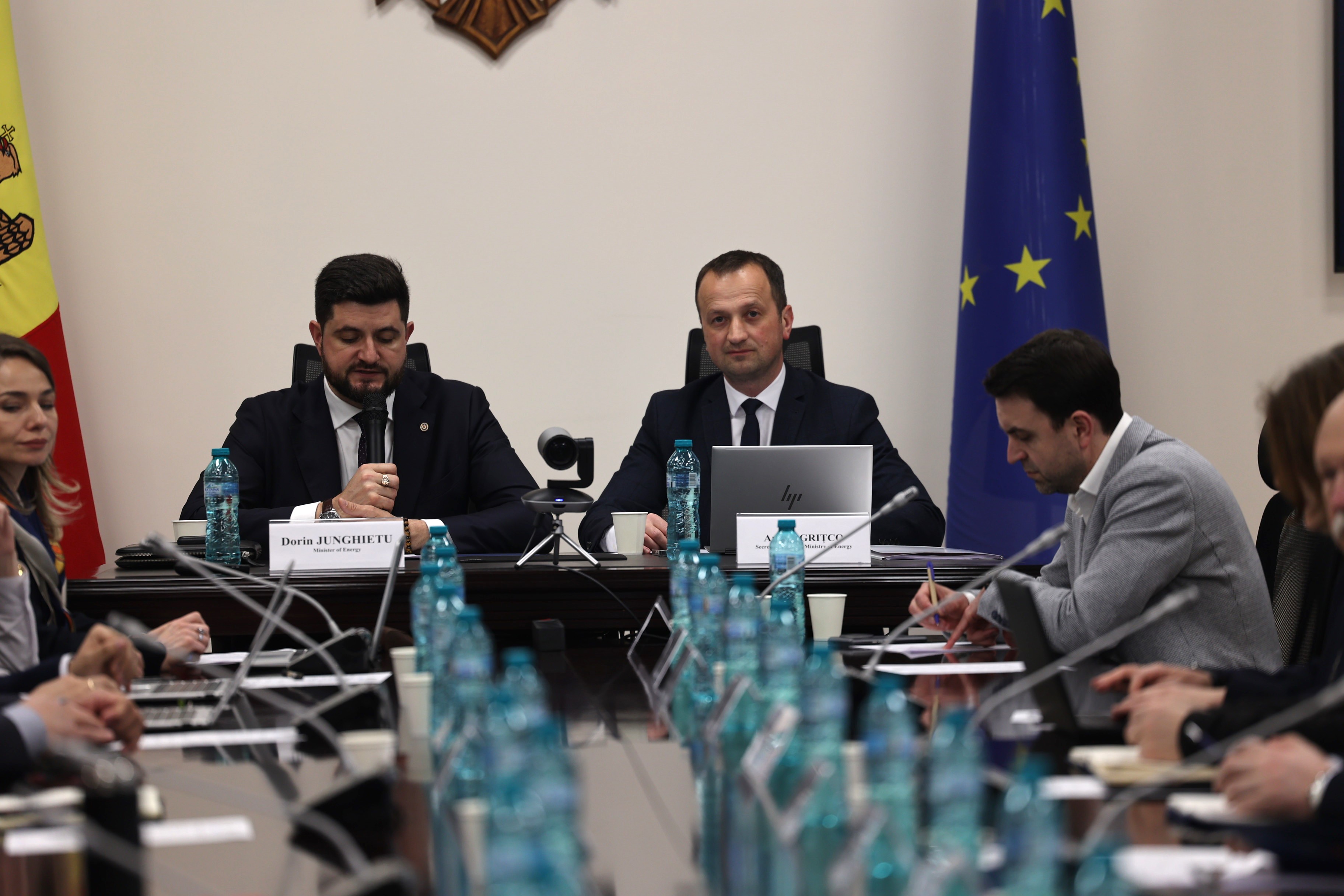 [2]
[2]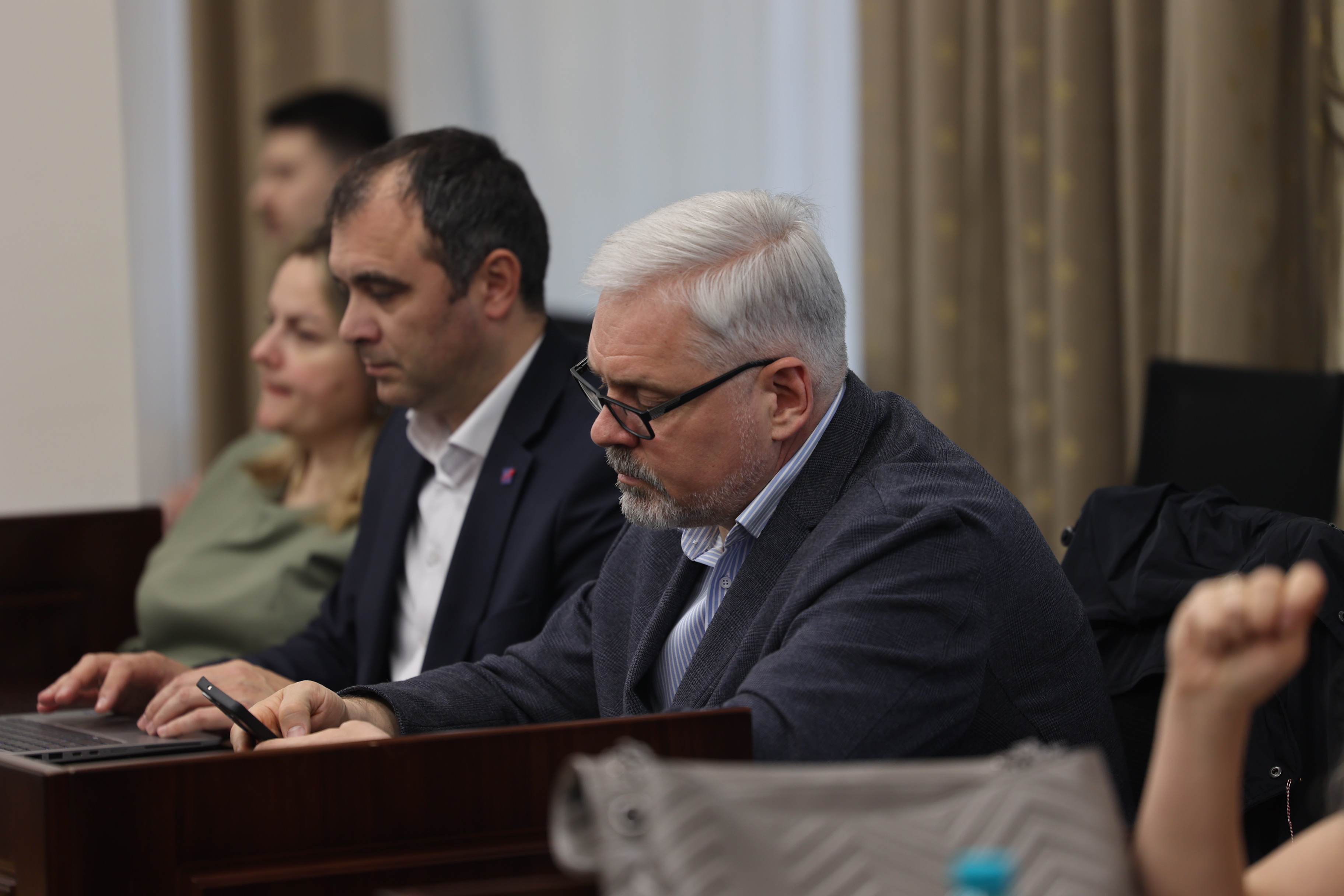 [3]
[3]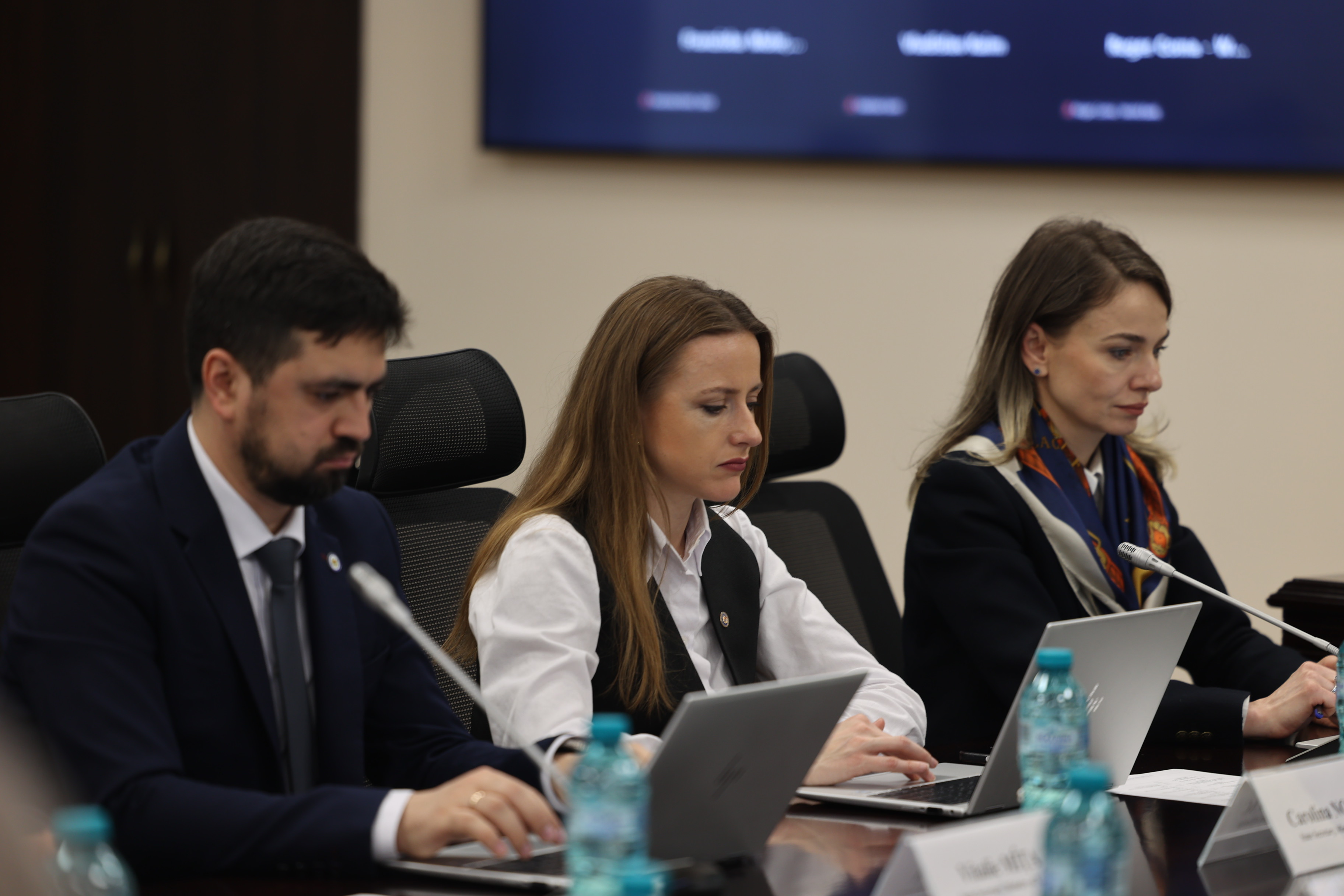 [4]
[4]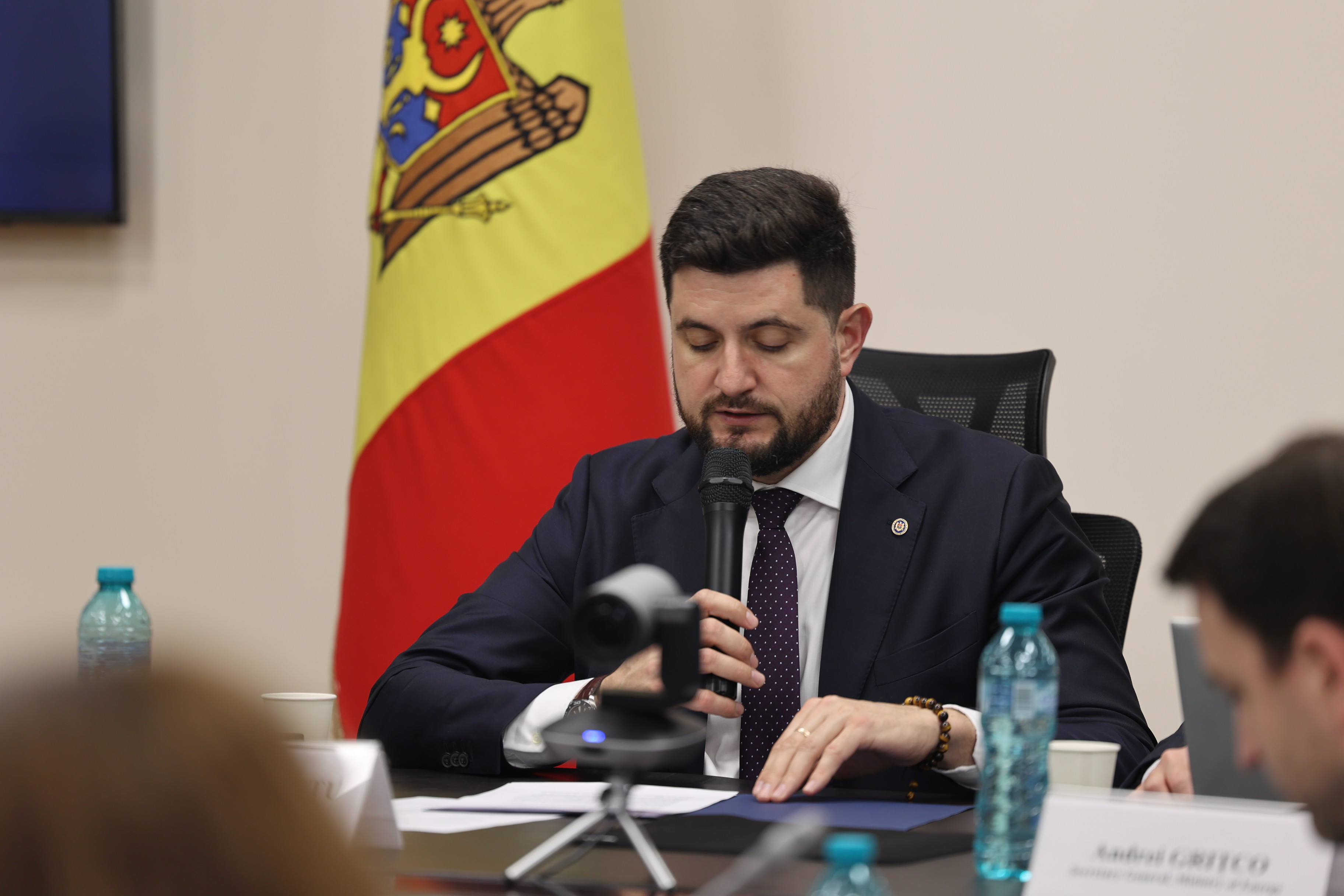 [5]
[5]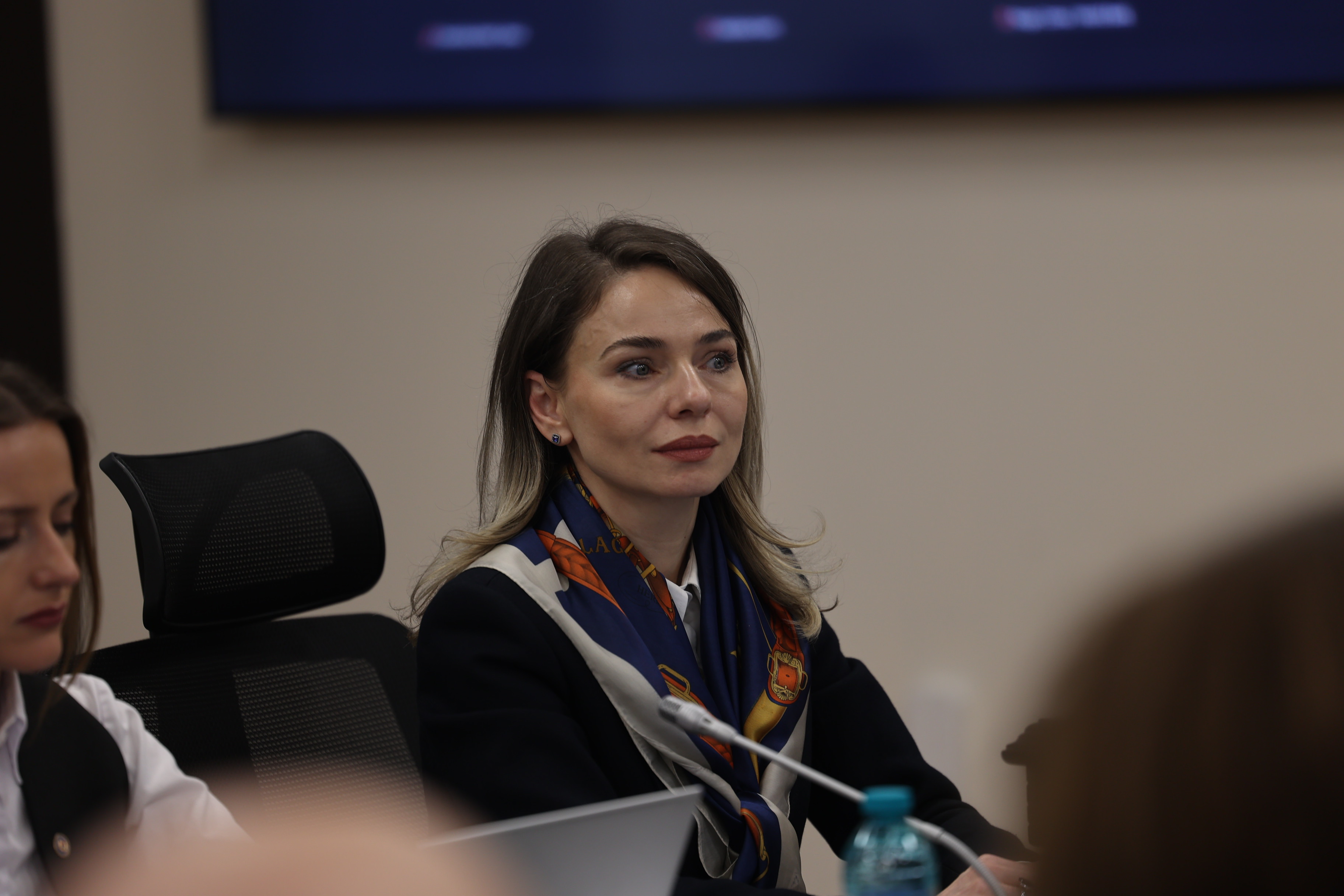 [6]
[6]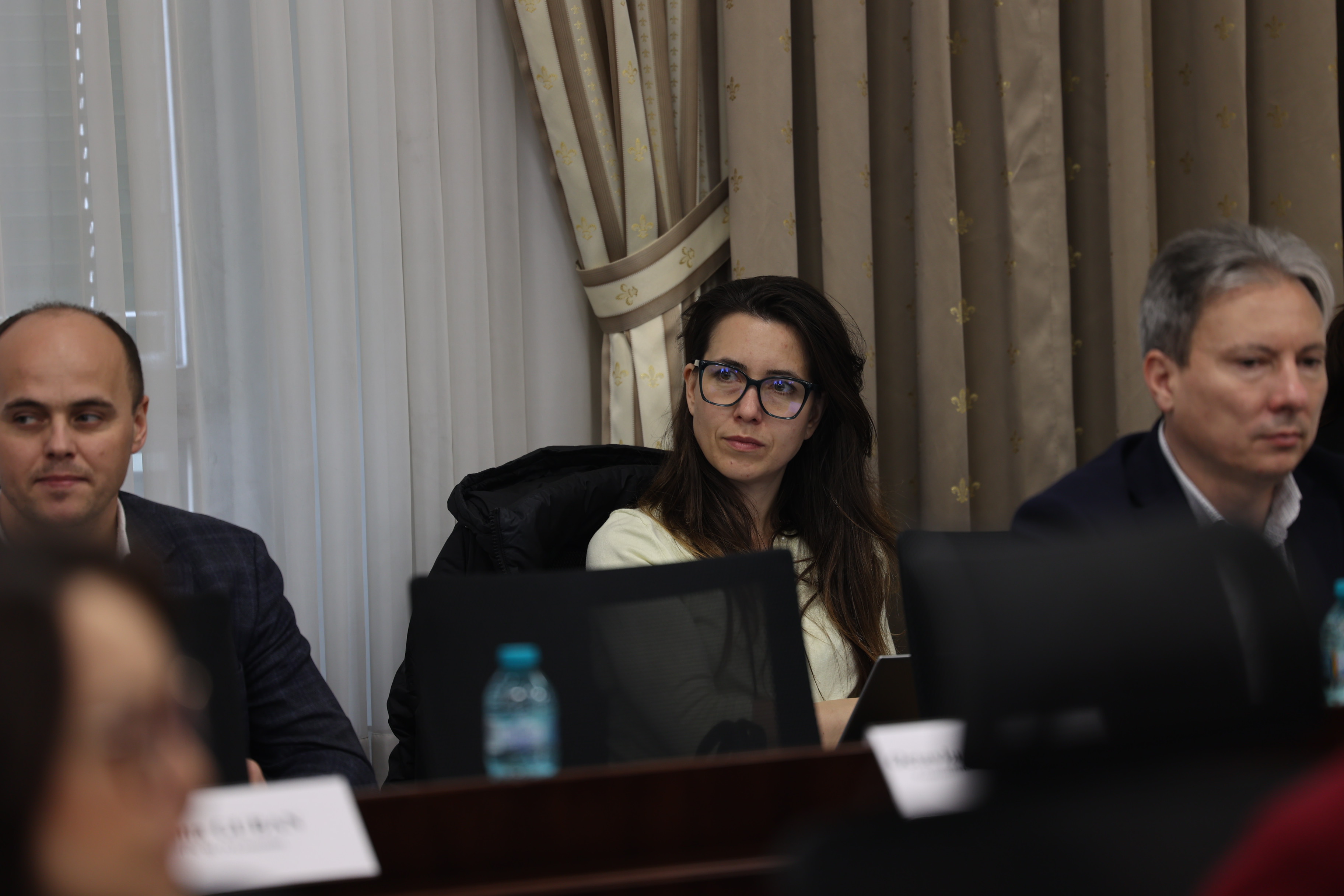 [7]
[7]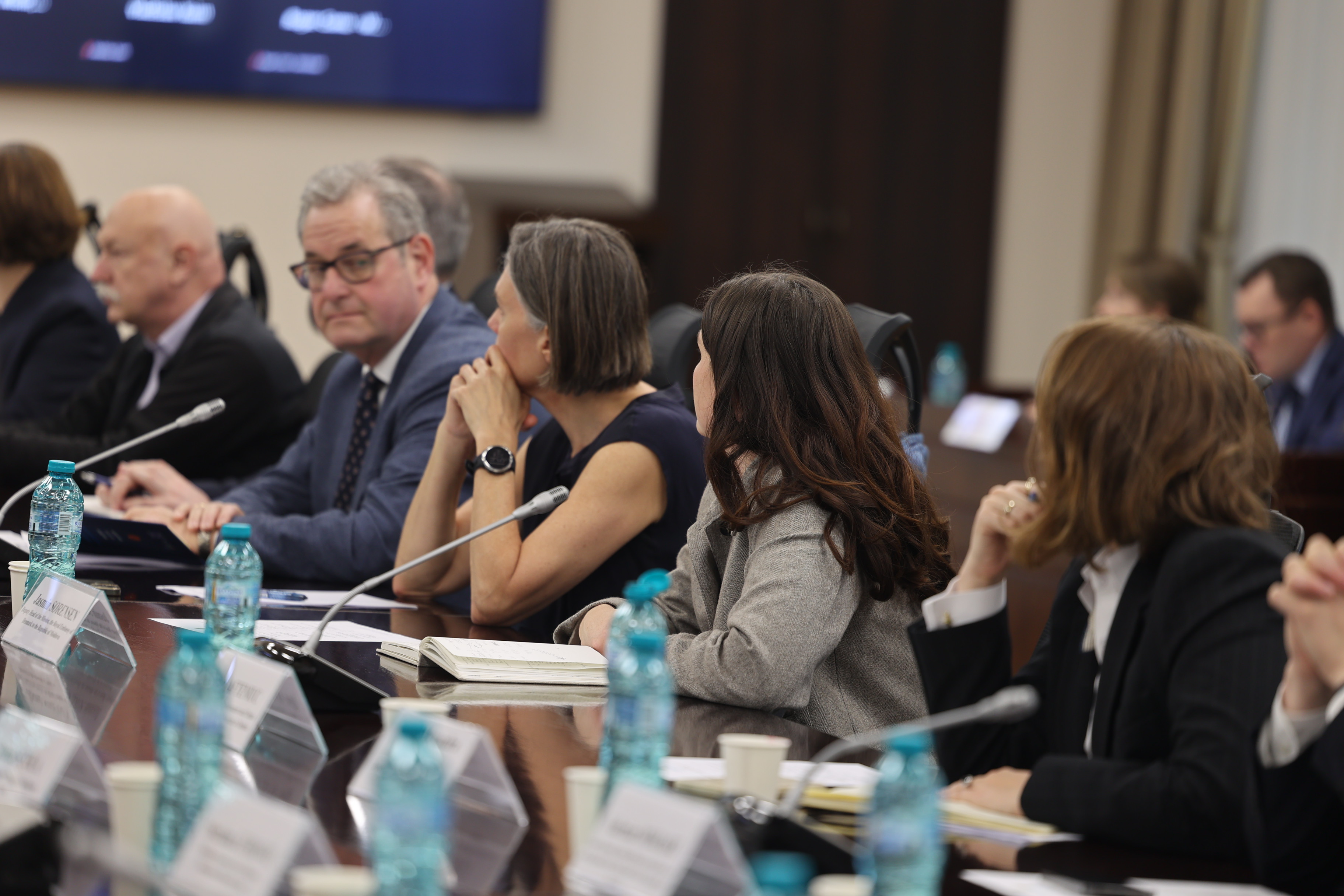 [8]
[8]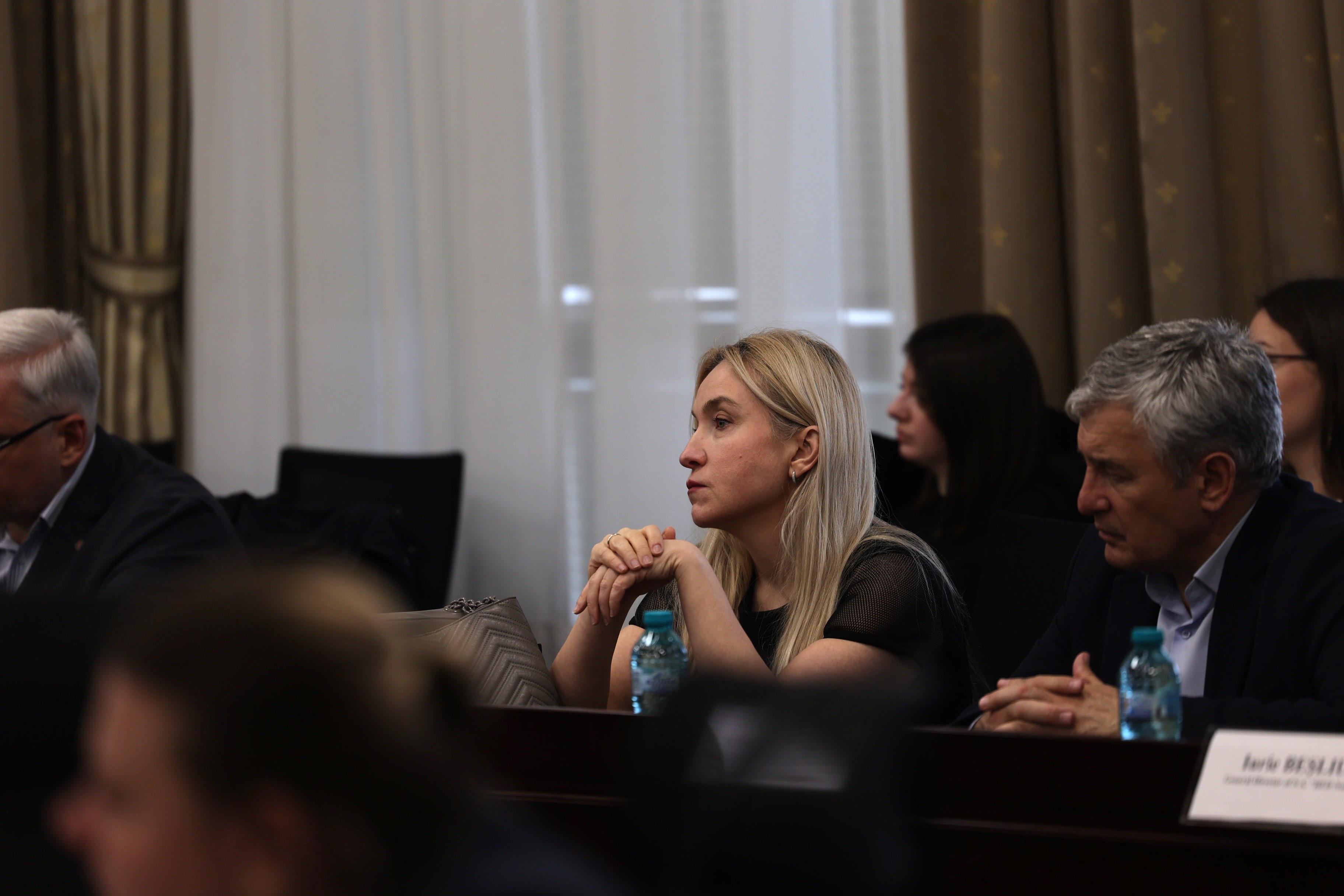 [9]
[9]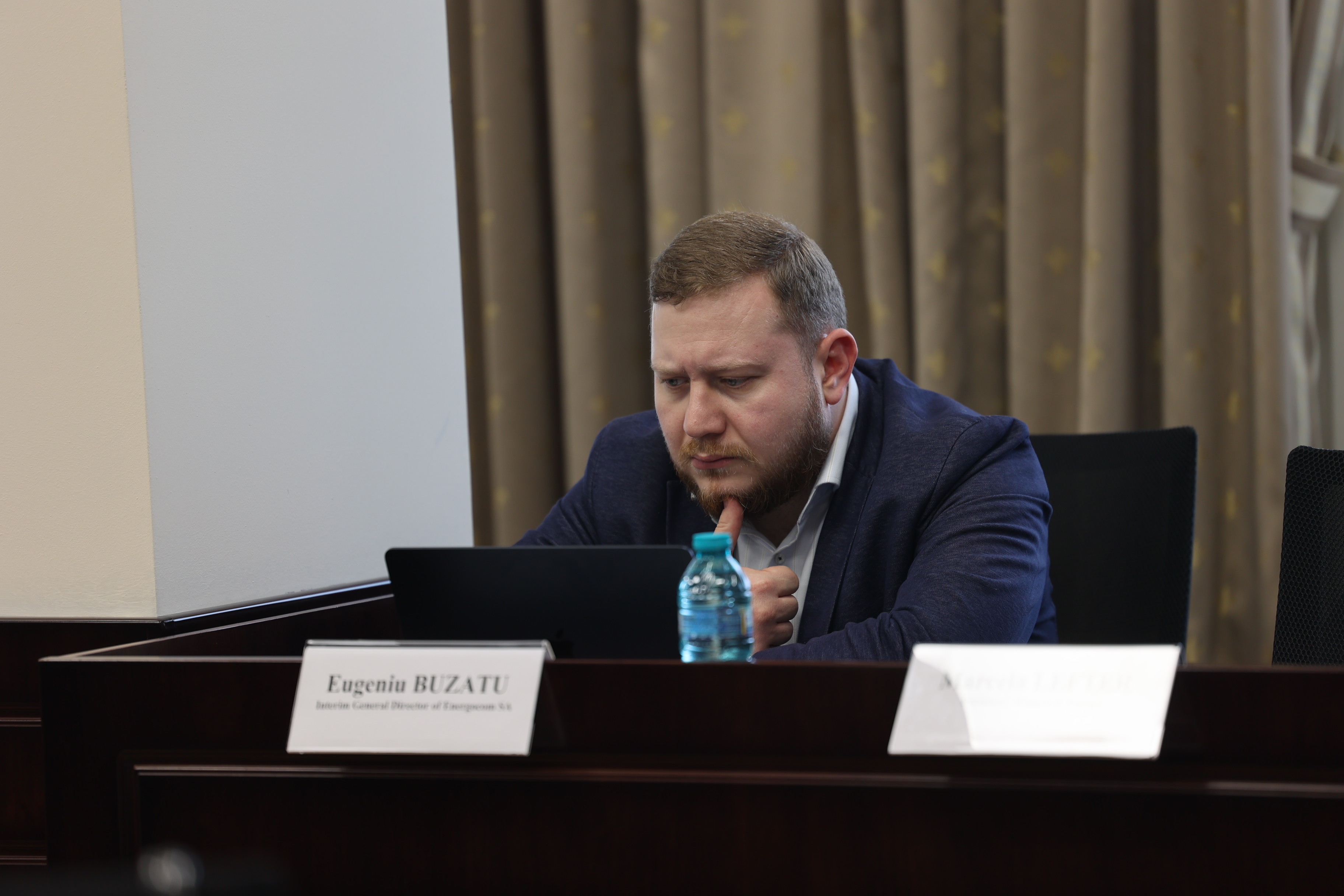 [10]
[10]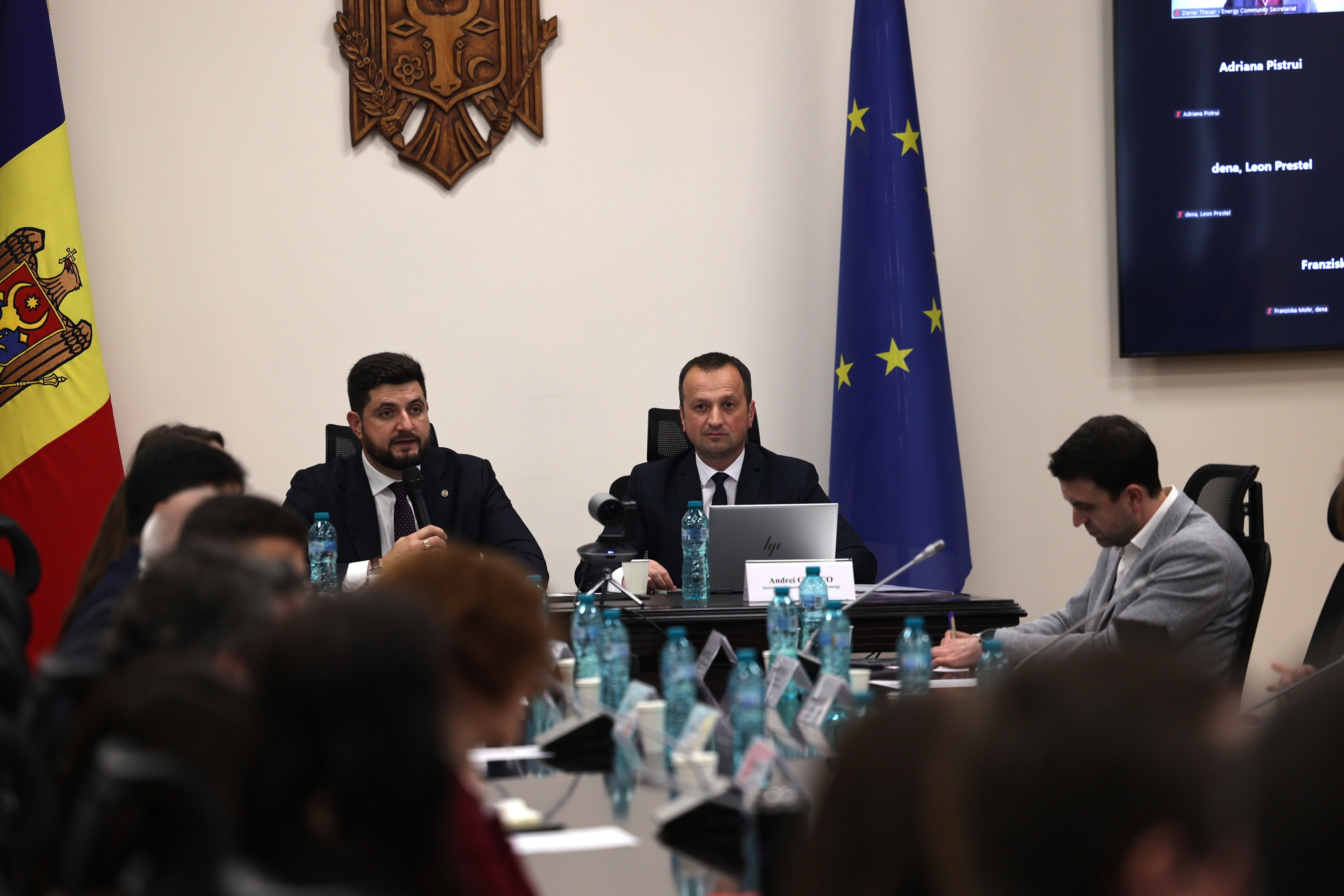 [11]
[11]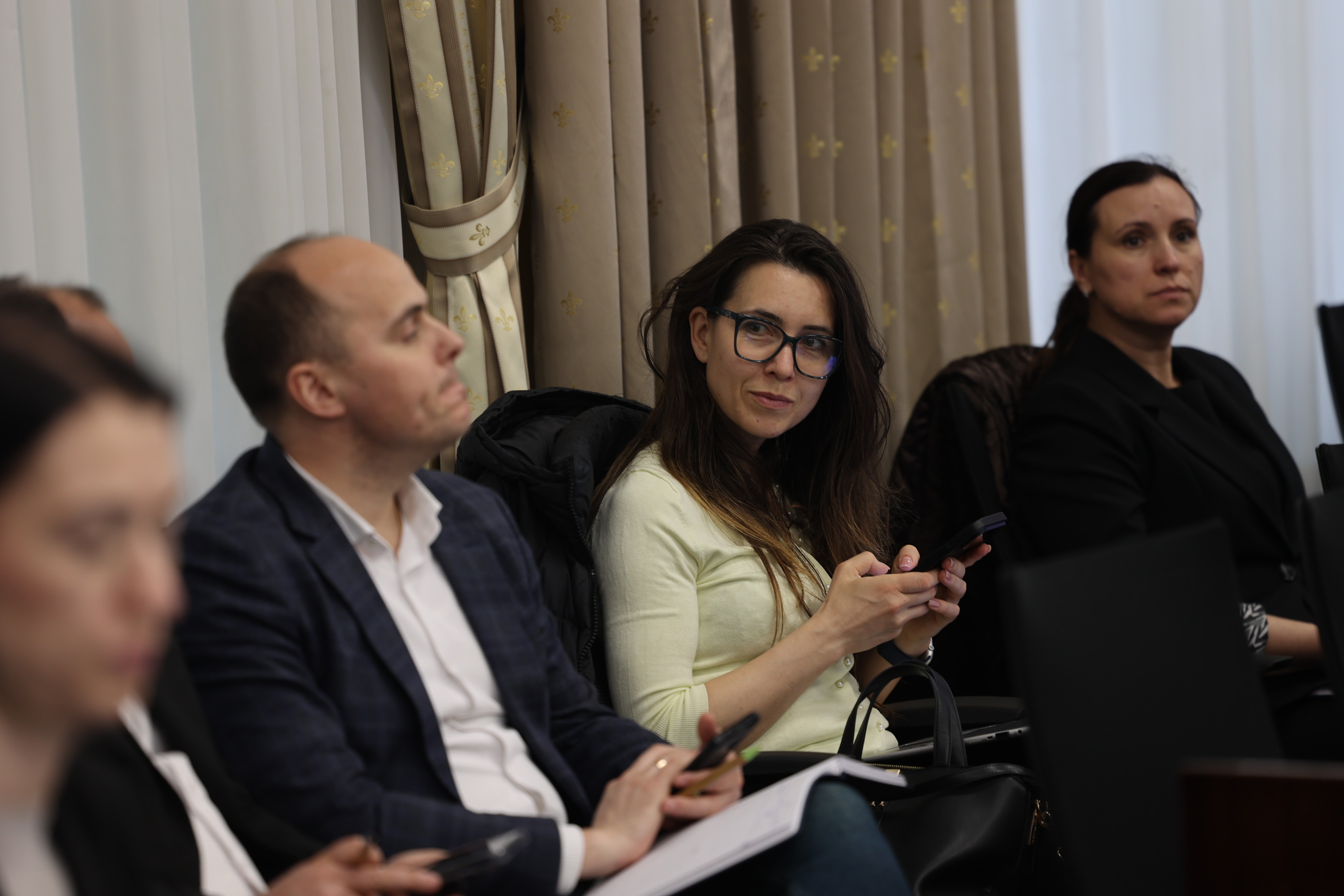 [12]
[12]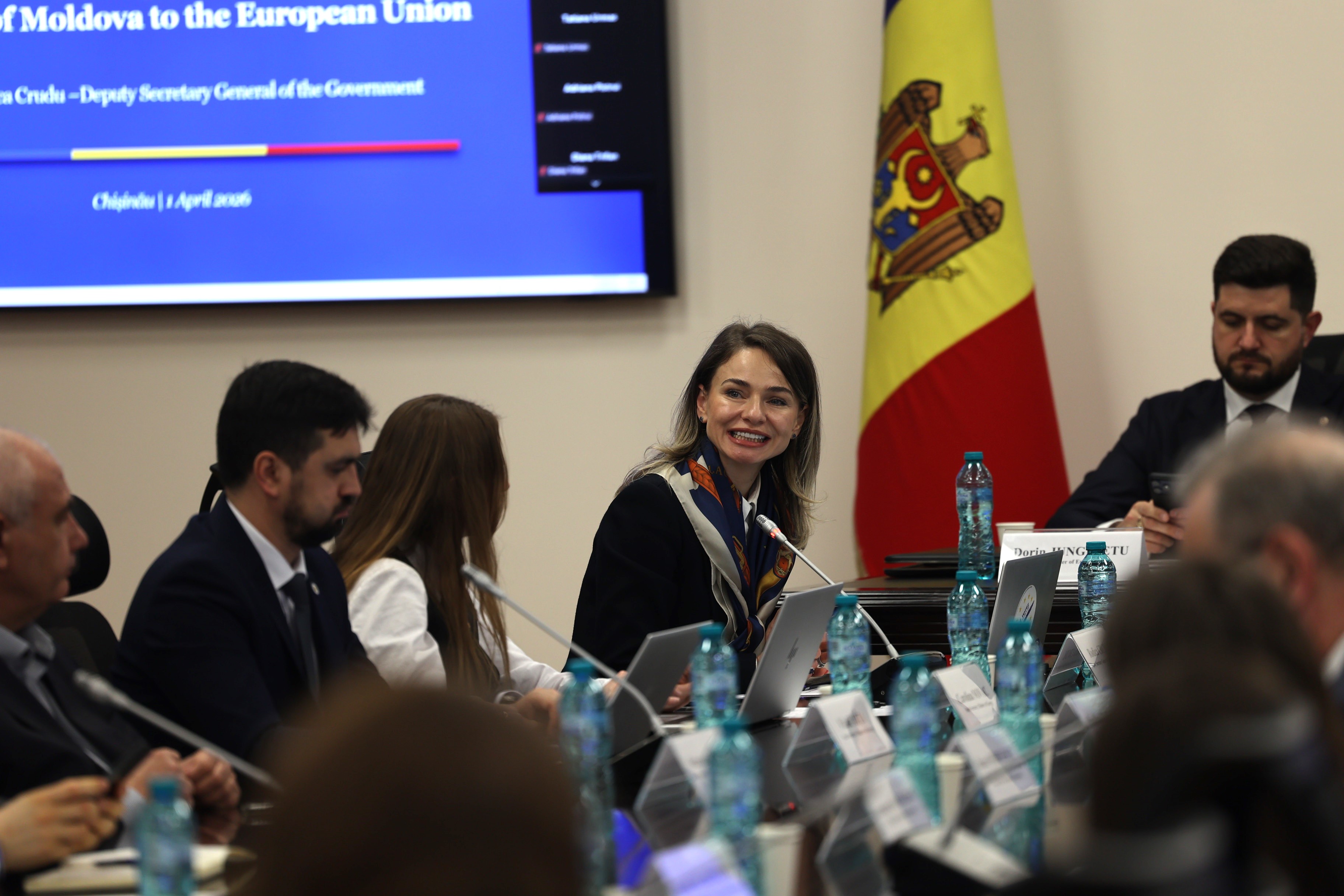 [13]
[13]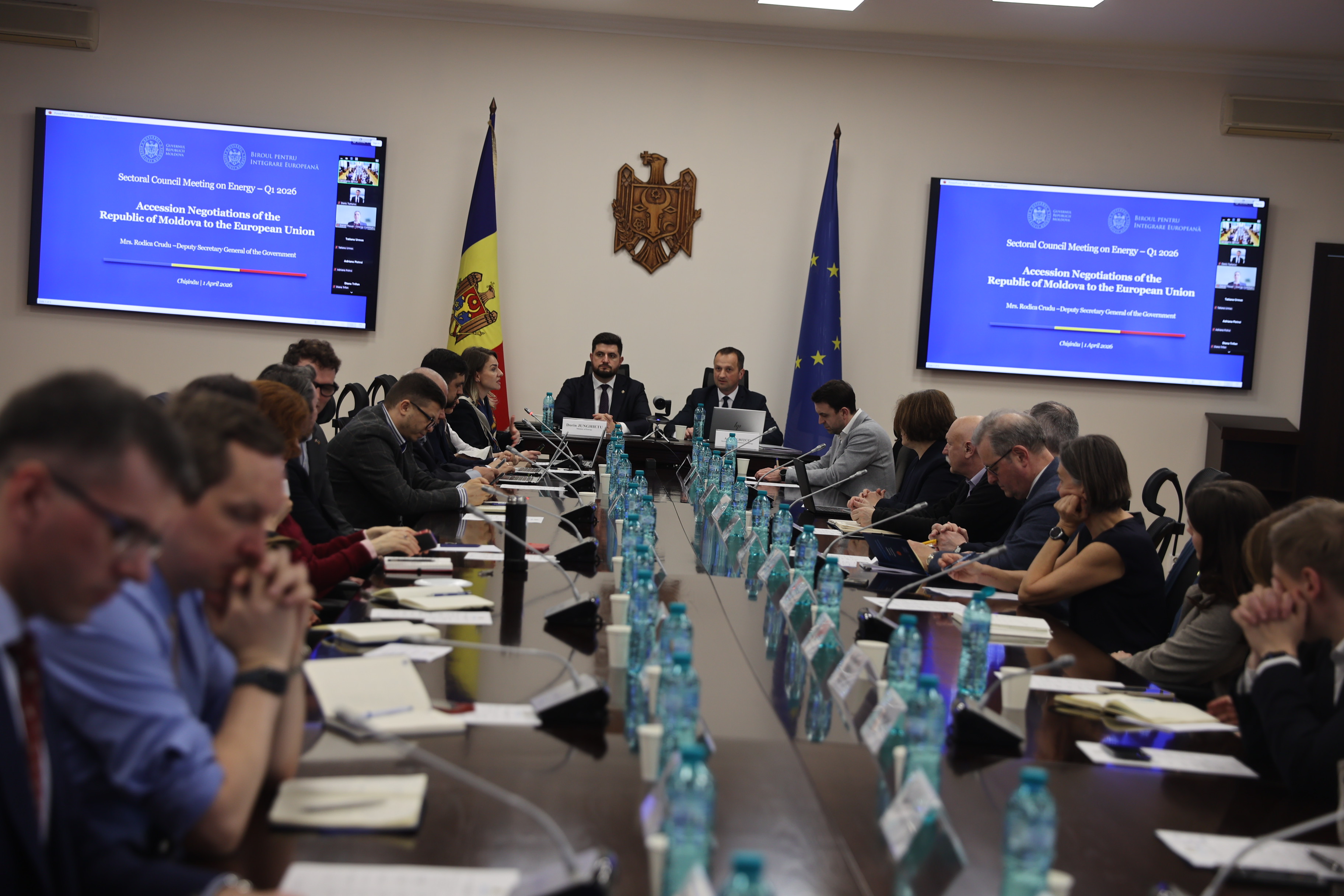 [14]
[14]