High-efficiency combined heat and power plant, renewable energy sources, including waste energy recovery and heat storage – the technical development solutions of Termoelectrica S.A.

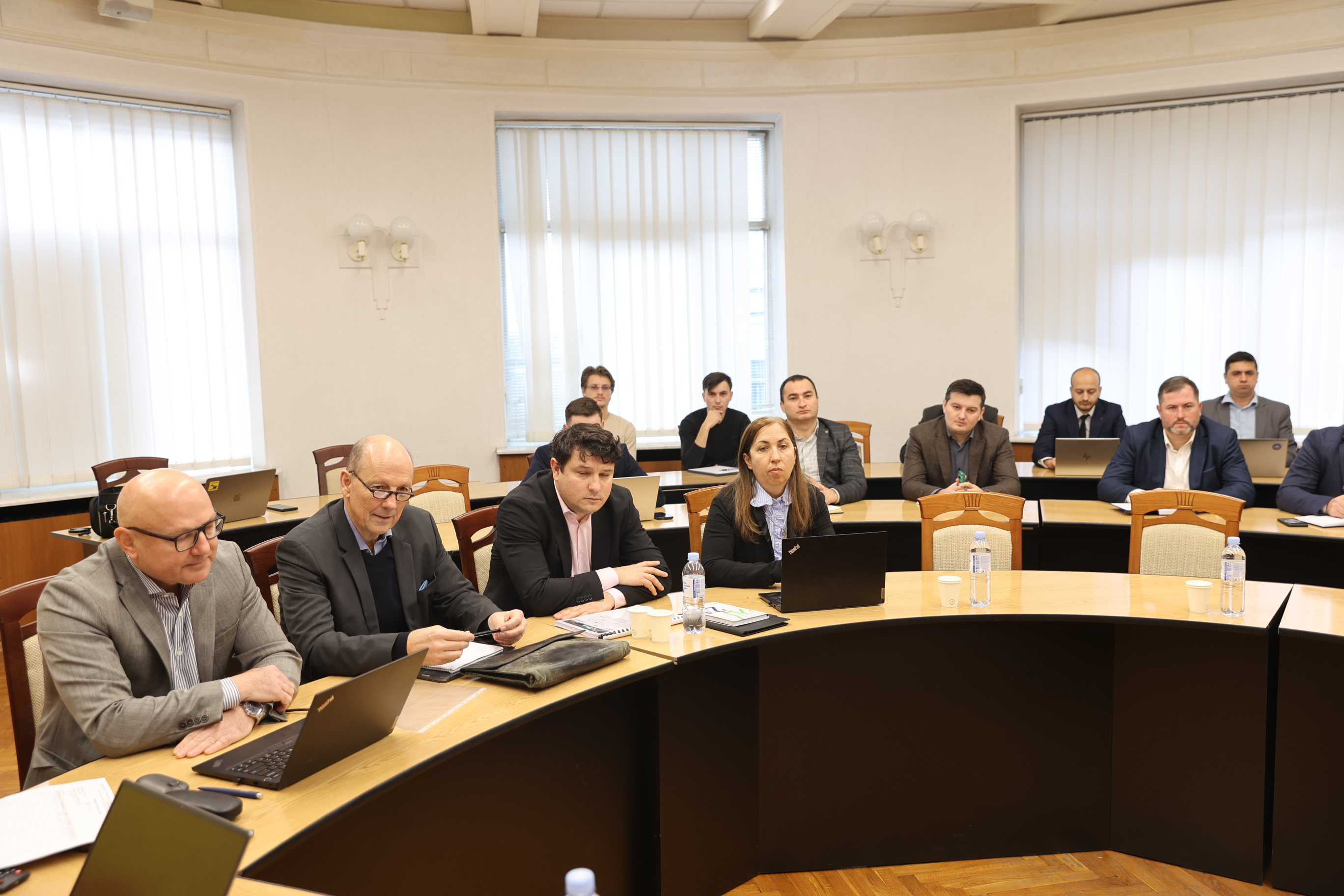
The preliminary results of the feasibility study on the development of Termoelectrica S.A. were discussed during working meetings with the participation of the Ministry of Energy, the National Energy Regulatory Agency of the Republic of Moldova, the Consolidated Unit for the Implementation and Monitoring of Energy Projects (UCIPE), Termoelectrica S.A. and other energy partners.
Each alternative examined includes high-efficiency cogeneration technologies, in combination with renewable energy sources, waste energy recovery, heat storage, heat pumps, etc.
Thus, the new CHPs would be based, in different configurations, on combined cycle gas turbines and steam turbines, on internal combustion engines, in combination with waste energy recovery, heat pumps and large-capacity electric boilers or solar collectors and thermal energy storage.
The new CHP plants could have capacities ranging from 162 MW - 440 MW of electricity and 116 MW - 260 MW of thermal energy.
During the discussions, the parties analyzed solutions for the development and diversification of sources of thermal and electrical energy production. At the same time, the consultant responsible for the development of the feasibility study also presented the energy, technical and economic model, technologies and preliminary alternatives for investments, based on modern technologies.
“CET-2 was built in 1976 and is equipped with Soviet-made steam turbines, which are at the end of their service life. These must soon be replaced with high-performance, modern technology of Western production. This feasibility study will allow us to choose the optimal combination of technologies and the necessary generation capacity, taking into account the expansion of the number of blocks connected to the centralized heating system, as well as the investments made in the energy efficiency of buildings, reducing their consumption”, said the Secretary of State, Constantin Borosan.
Secretary of State Carolina Novac emphasized, during the event, the importance of integrating renewable energy sources into the district heating system and their essential contribution to the energy transition. Thus, in addition to high-efficiency cogeneration, Termoelectrica S.A. will also use renewable energy sources, with the recovery of energy from waste, heat storage and other modern technologies that will increase the capacity and potential of the state in ensuring the domestic production of energy resources, which is one of the priorities in the energy field.
In this context, the director of UCIPE, Ruslan Surugiu, noted the need to ensure that in the future Termoelectrica S.A. to become a much more competitive player on the energy market: "The proposed solutions are analyzed in detail, jointly with all parties, as they represent the next step in preparing important modernization investments for Termoelectrica S.A."
At the same time, the General Director of Termoelectrica S.A, Iurie Razlovan, emphasized that the respective package is one of the most important components of the second Project to improve the efficiency of the centralized thermal energy supply system, as this will identify the solutions to be done and how Termoelectrica S.A. will develop, so that outdated equipment is replaced with modern and efficient technologies.
The development of the feasibility study is a component part of the second Project to improve the efficiency of the centralized thermal energy supply system (PIESACET-2), financed by the World Bank. The company contracted to develop the feasibility study (Association COLENCO Ltd. (North Macedonia), EKONERG Ltd. (Croatia) and Urban Technology Alliance (United Kingdom)) was selected through an international tender procedure.
 [1]
[1]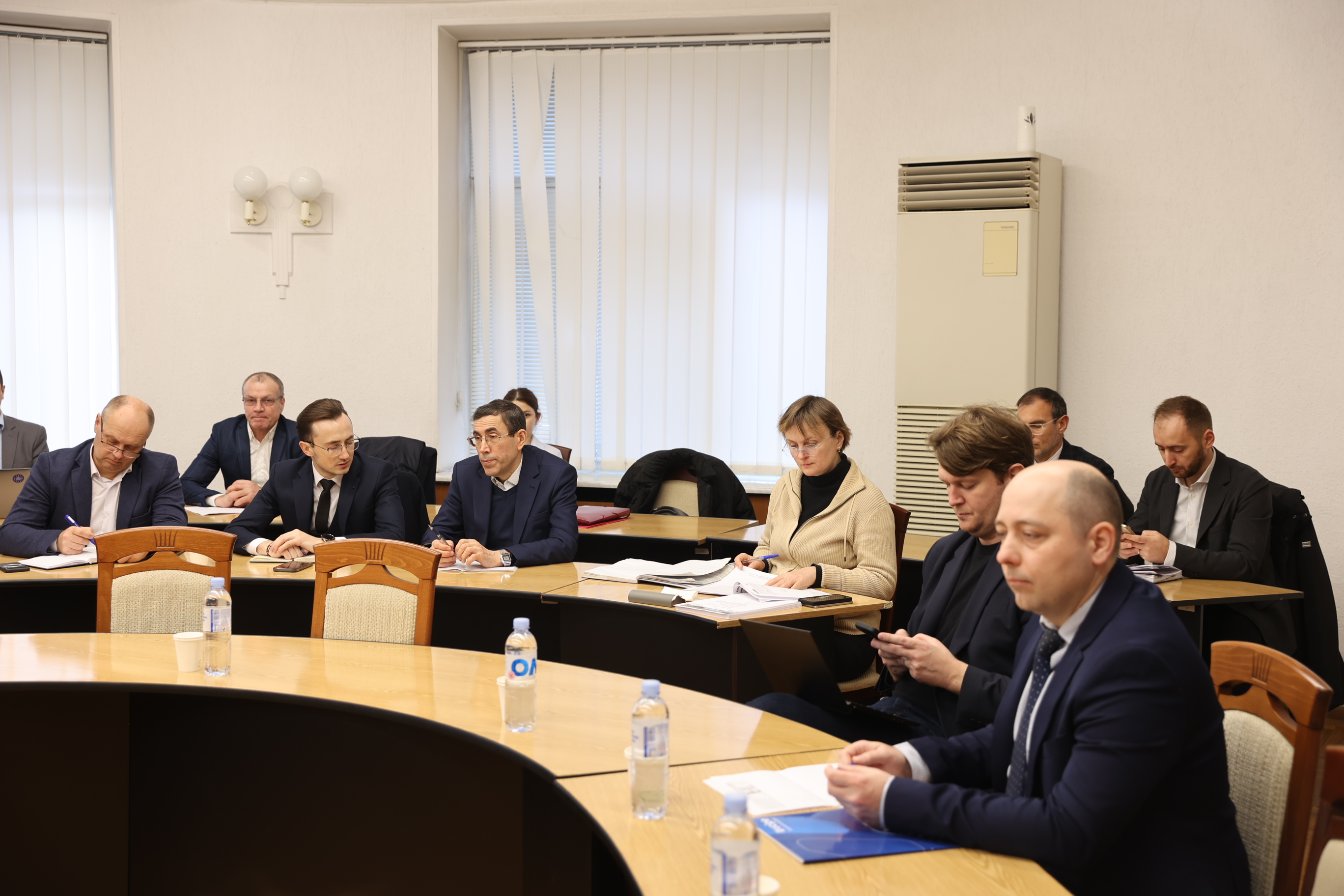 [2]
[2]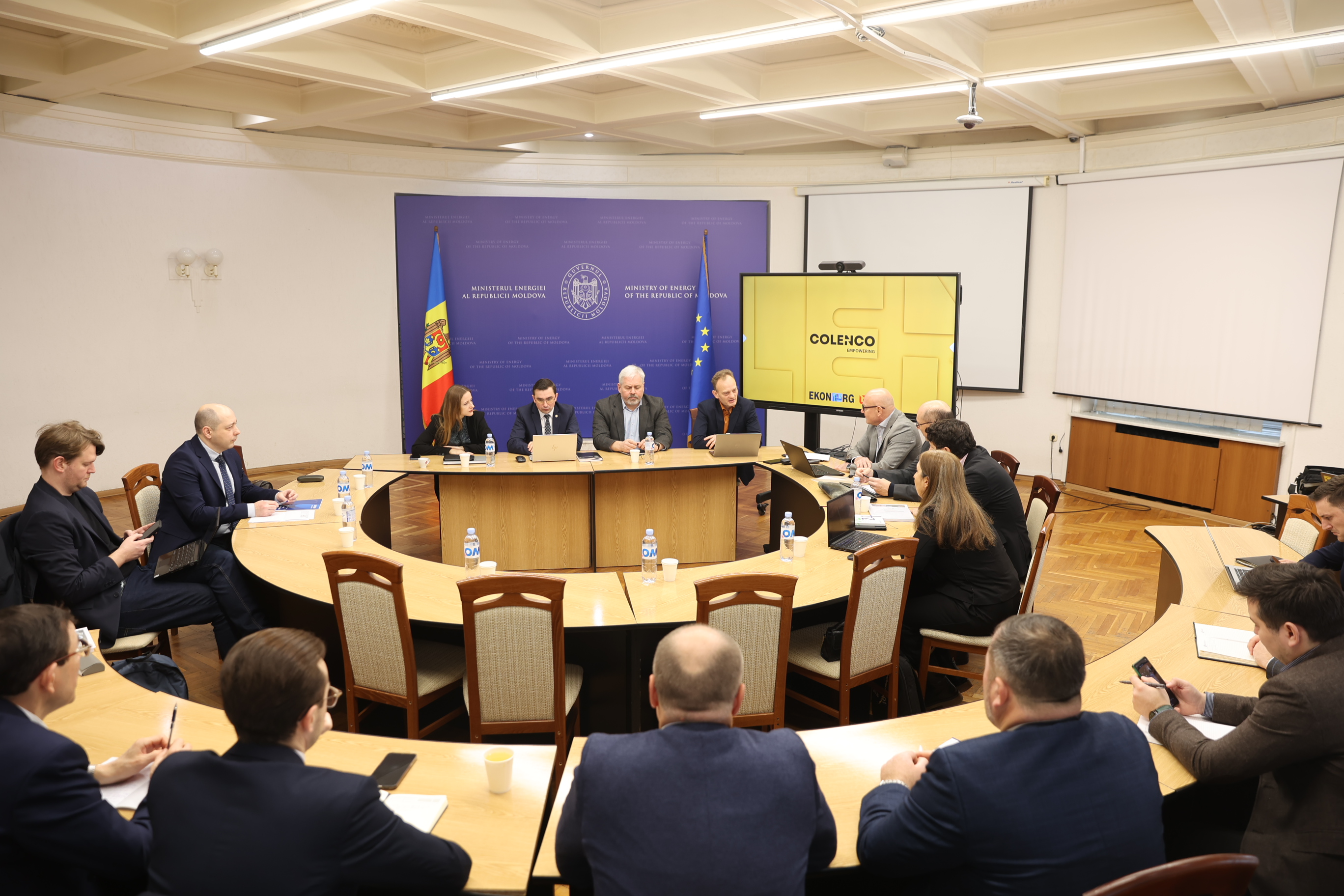 [3]
[3]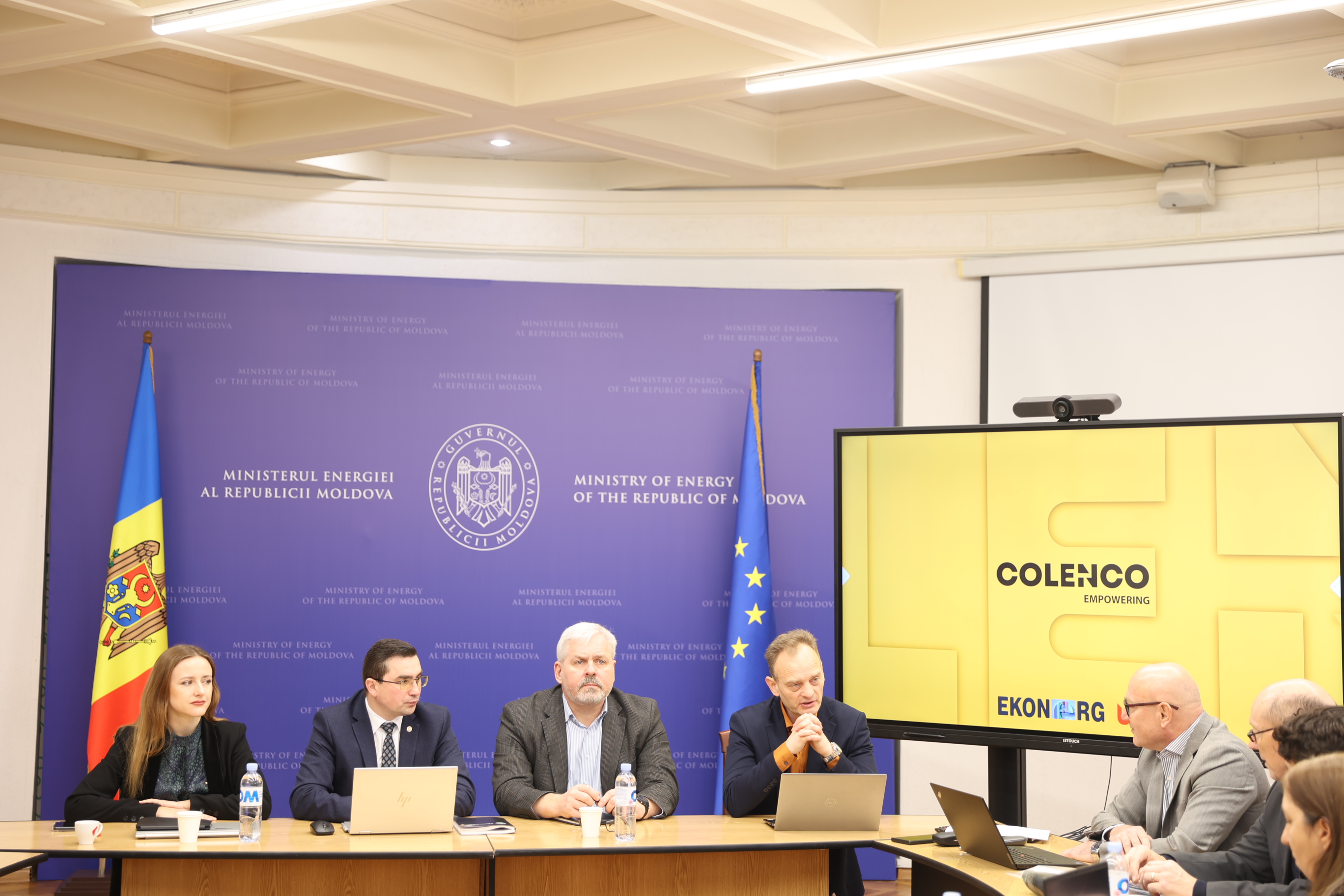 [4]
[4]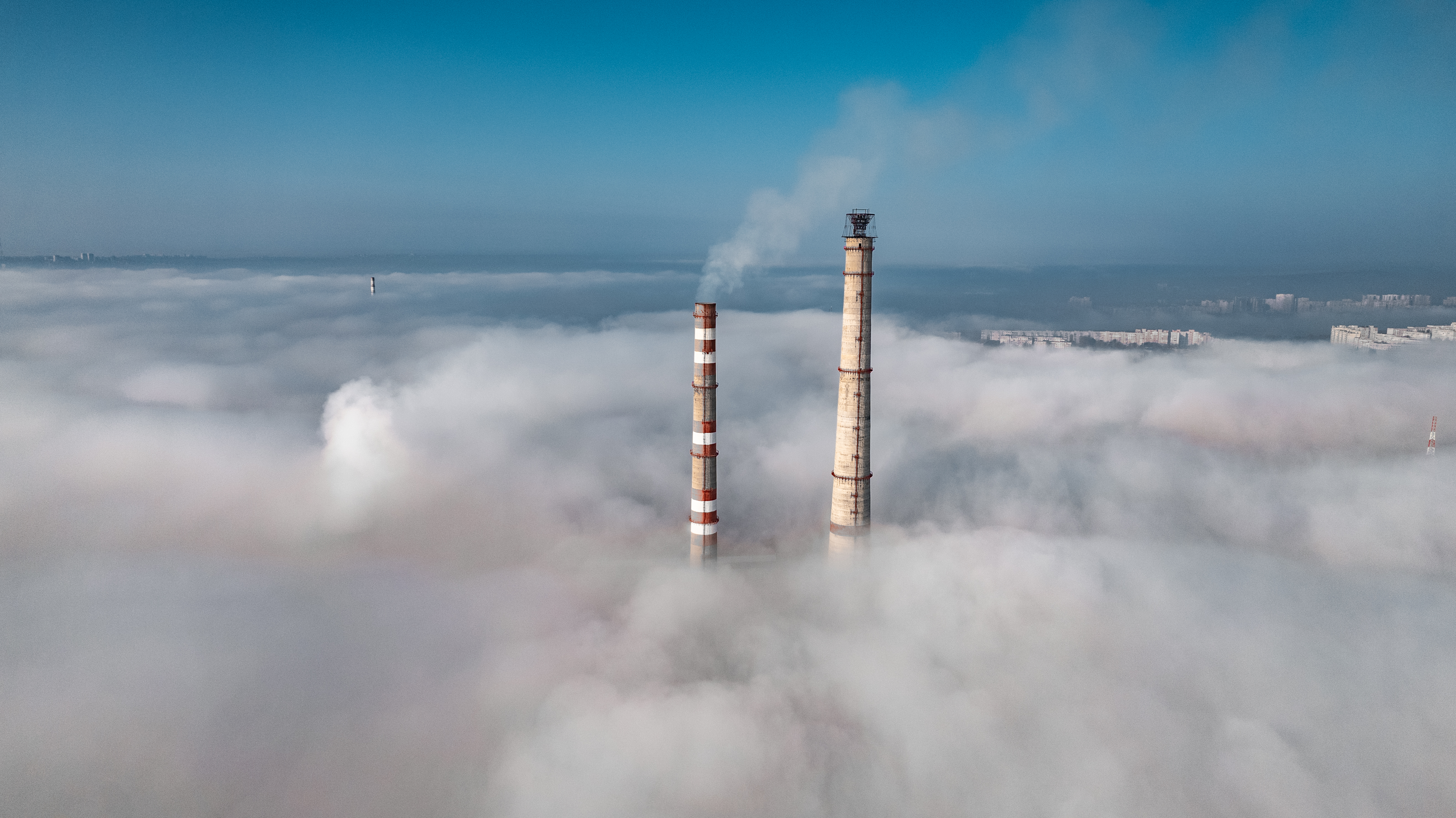 [5]
[5]