The current needs of the Ministry of Energy, discussed with development partners
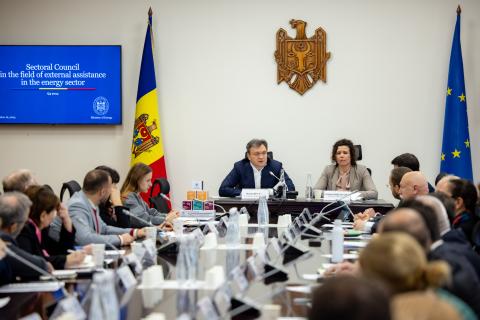
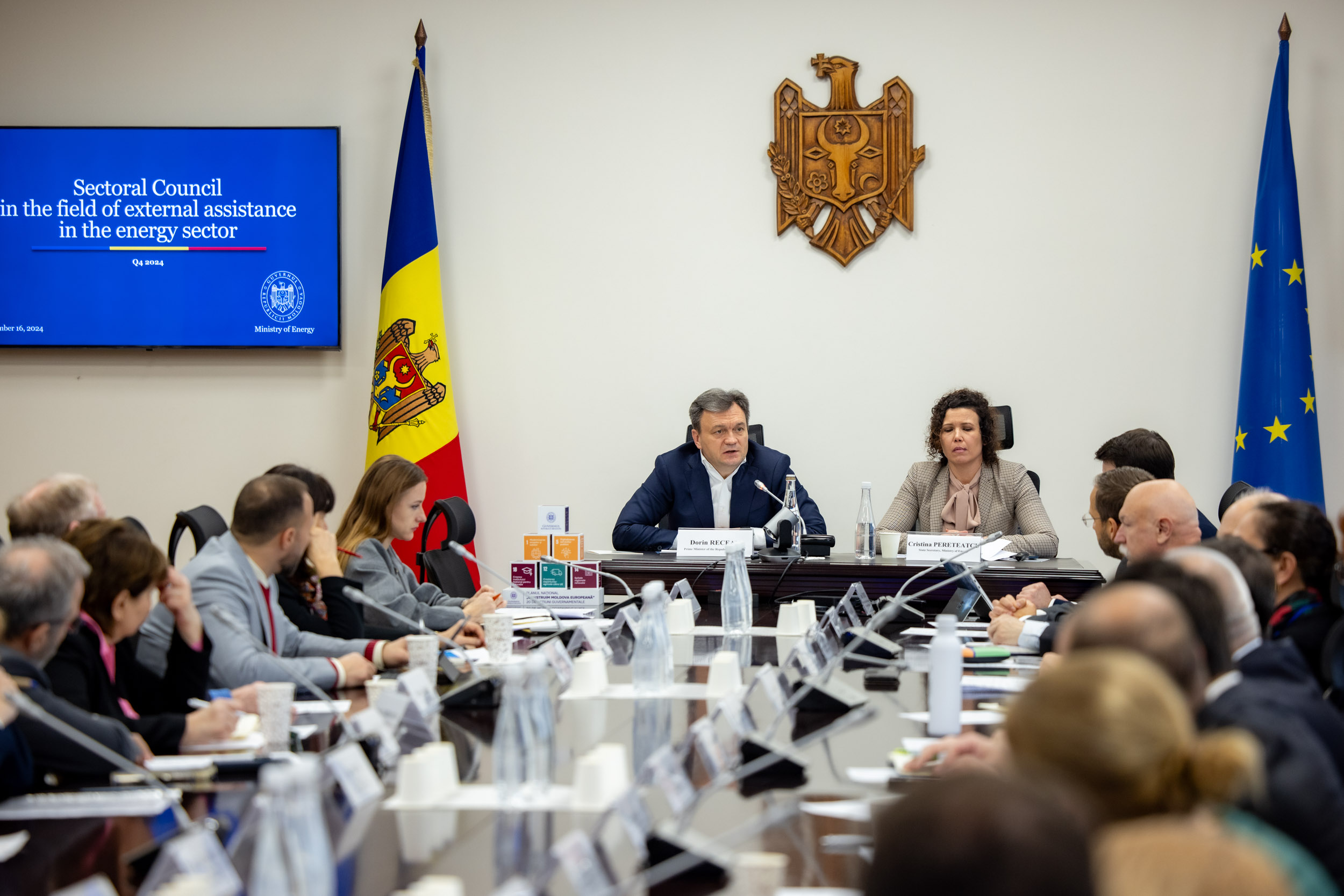
The current needs of the Ministry of Energy, which focuses on the transition to a more sustainable and stable energy sector, were discussed with development partners during a new meeting of the Sectoral Council on External Assistance for the Energy Sector, with the participation of Prime Minister Dorin Recean.
The event brought together representatives of energy sector institutions, international development partners, representatives of the Energy Community Secretariat, the United Nations Economic Commission for Europe (UNECE), development cooperation agencies and other supporters of the energy sector reform in the Republic of Moldova.
The Ministry requested support from development partners to complete several strategic projects in the sector, including the support of international experts for the creation of a central entity for the storage of petroleum product reserves, financial assistance for the development of the National Territorial Development Plan that would include new energy infrastructure projects at the local level (such as electricity, gas and heating networks, wind and solar parks), as well as assistance for the development of the biogas sector in the context of sustainability requirements for biomass and the emergence of organized electricity markets.
The discussions also focused on recent assessments in the implementation of energy infrastructure modernization projects and the transition to renewable energy sources, in the context of the recommendations and assessments in the annual report of the European Commission.
The State Secretary of the Ministry of Energy, Cristina Pereteatcu, highlighted the results achieved in the energy sector of the Republic of Moldova, even in the conditions of an energy crisis.
“Despite the challenges and uncertainties generated by the geopolitical context, together with colleagues from the ministry, we managed to record remarkable progress, a fact also recognized in the European Commission report. Moldova moved from a moderate level of energy readiness in 2023 to a more advanced level in 2024 and has made significant progress in the integration of the electricity market and the development of renewable sources. This confirms our commitment to further implement the recommendations of the European Union and to build a more sustainable and resilient energy sector,” said Cristina Pereteatcu.
We note that in the European Commission report for 2024, the Republic of Moldova was appreciated for the progress recorded in the energy field, with significant progress in the implementation of the “Clean Energy for All Europeans” package, including the Renewable Energy and Electricity Integration Directives.
Among the achievements are the progress in the development of the National Energy Strategy until 2050 and in the process of creating an electricity market operator, tangible results in view of the integration of the national energy market into the European system.
Another important point of the meeting concerns the presentation of progress in the implementation of strategic projects for the interconnection of electricity networks, including the construction of high-voltage power lines between Moldova and Romania, as well as the modernization of power stations. At the same time, the authorities continue to strengthen alternative natural gas transport routes, in order to diversify supply sources and ensure the country's energy security. In this context, projects are planned to modernize the gas transport infrastructure and develop a legislative framework for the management of gas networks.
Among the achievements in the gas sector, there is the approval of the Plan of Measures for the preparation of the 2024-2025 heating season, which includes 44 specific measures to ensure energy security, even in crisis conditions, as well as the increase in the obligation regarding gas stocks to 15% of the country's annual consumption, as well as the approval of an action plan in the sector, developed with the support of UNDP Moldova and presented to the Energy Community Secretariat.
The meeting of the representatives of the Sectoral Council provided the framework for finalizing discussions with external partners, in the context of a crisis induced by the uncertainty of energy supplies on the left bank of the Nistru River, but also for the continuous alignment of the energy sector with European standards of sustainability and energy security.
 [1]
[1]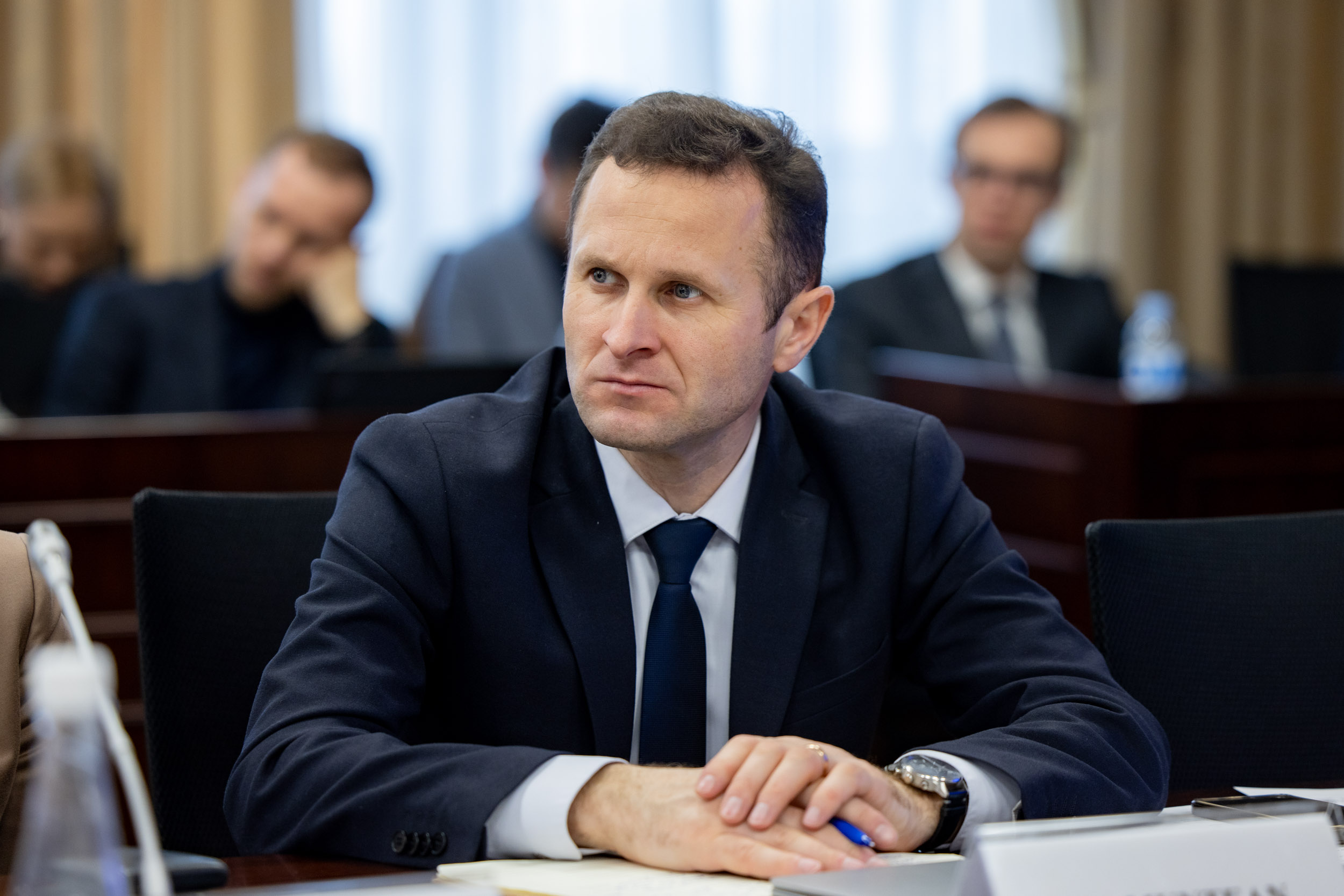 [2]
[2]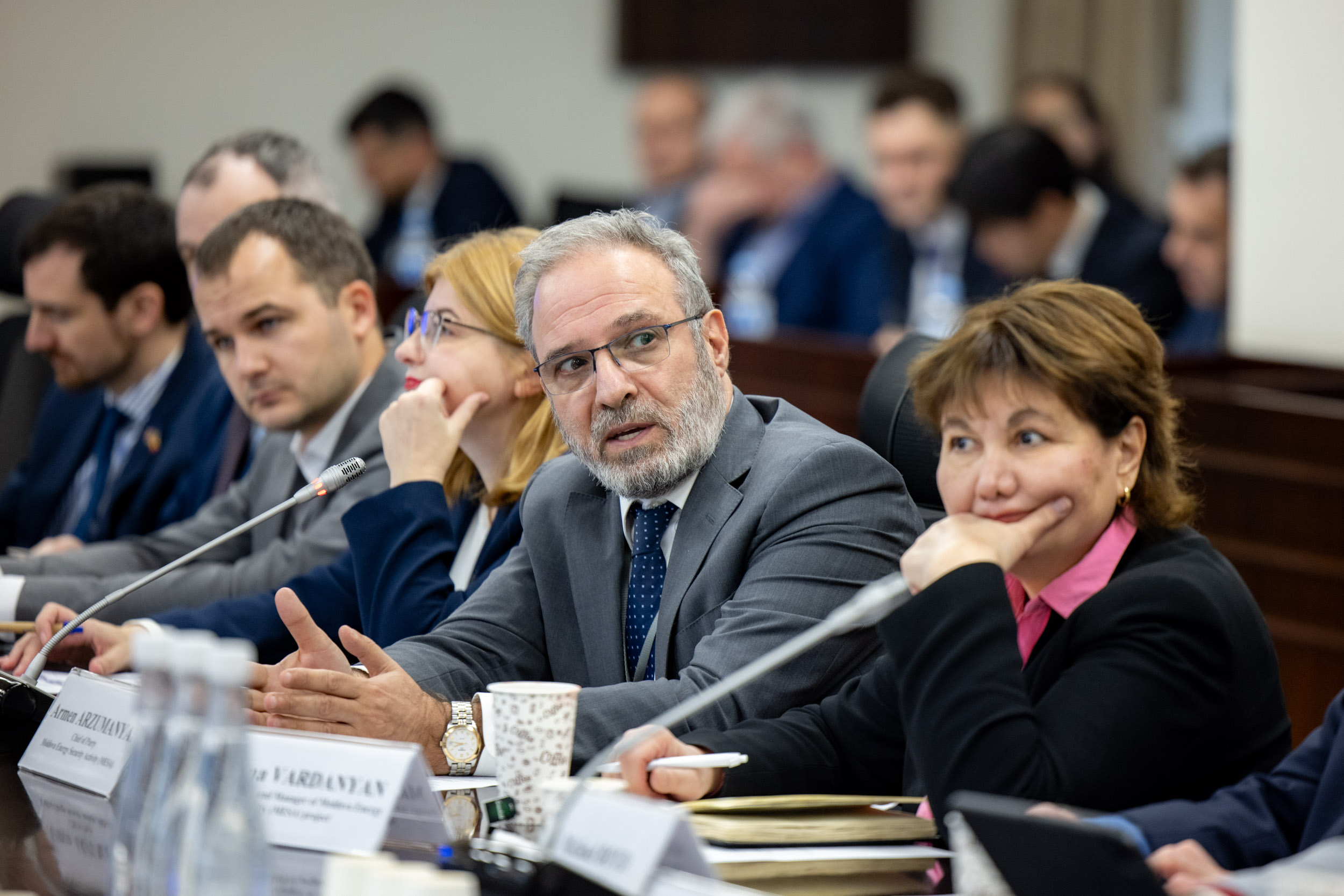 [3]
[3] [4]
[4] [5]
[5]