New Opportunities for Moldova’s Energy Sector Discussed in Vienna
- 430 reads
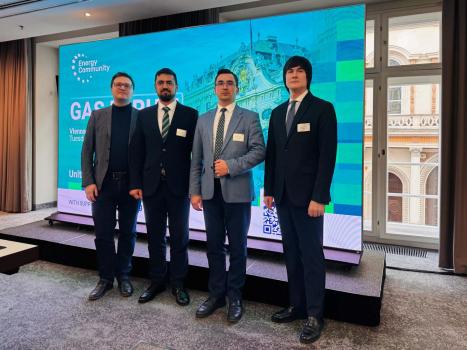


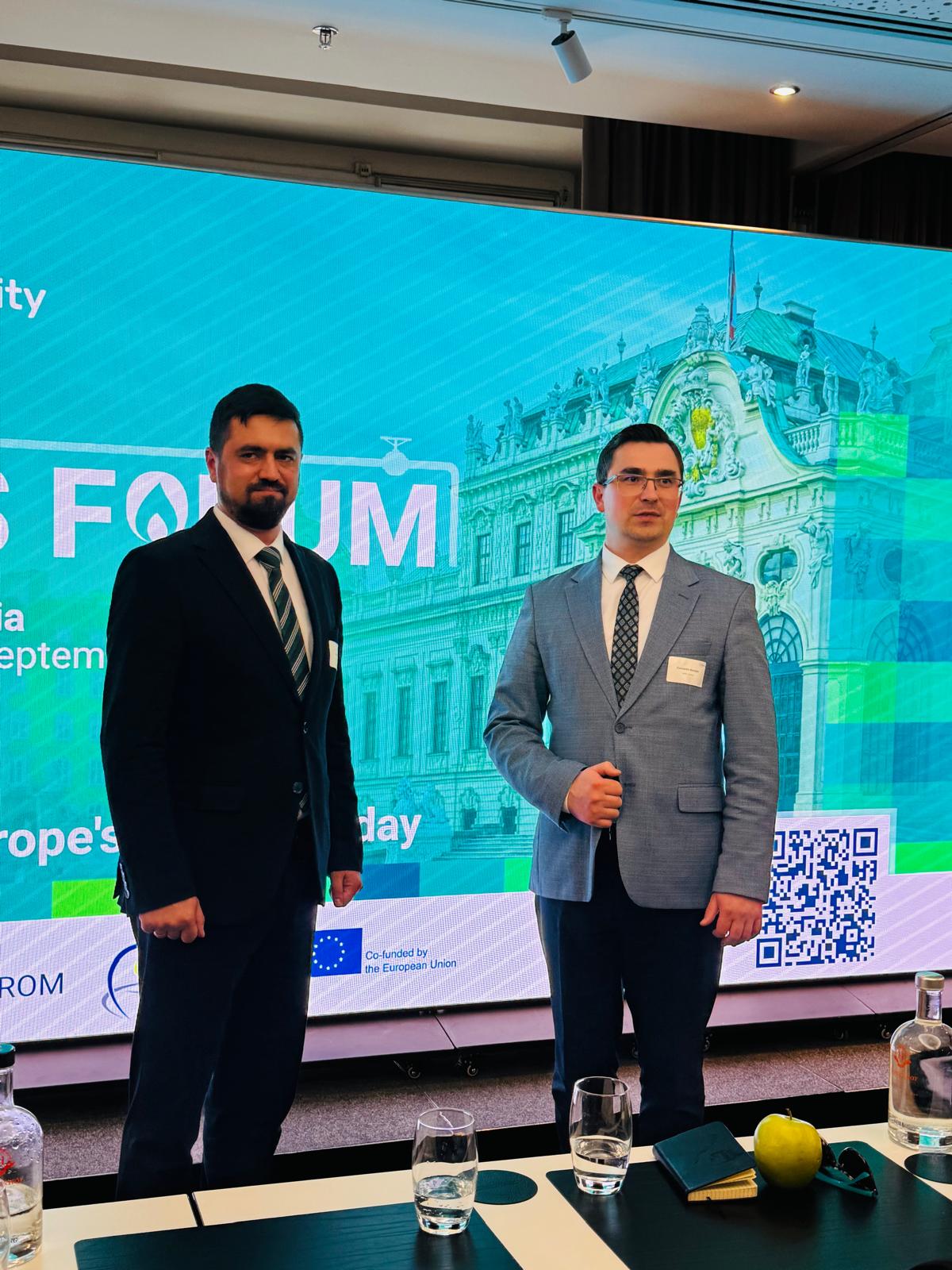
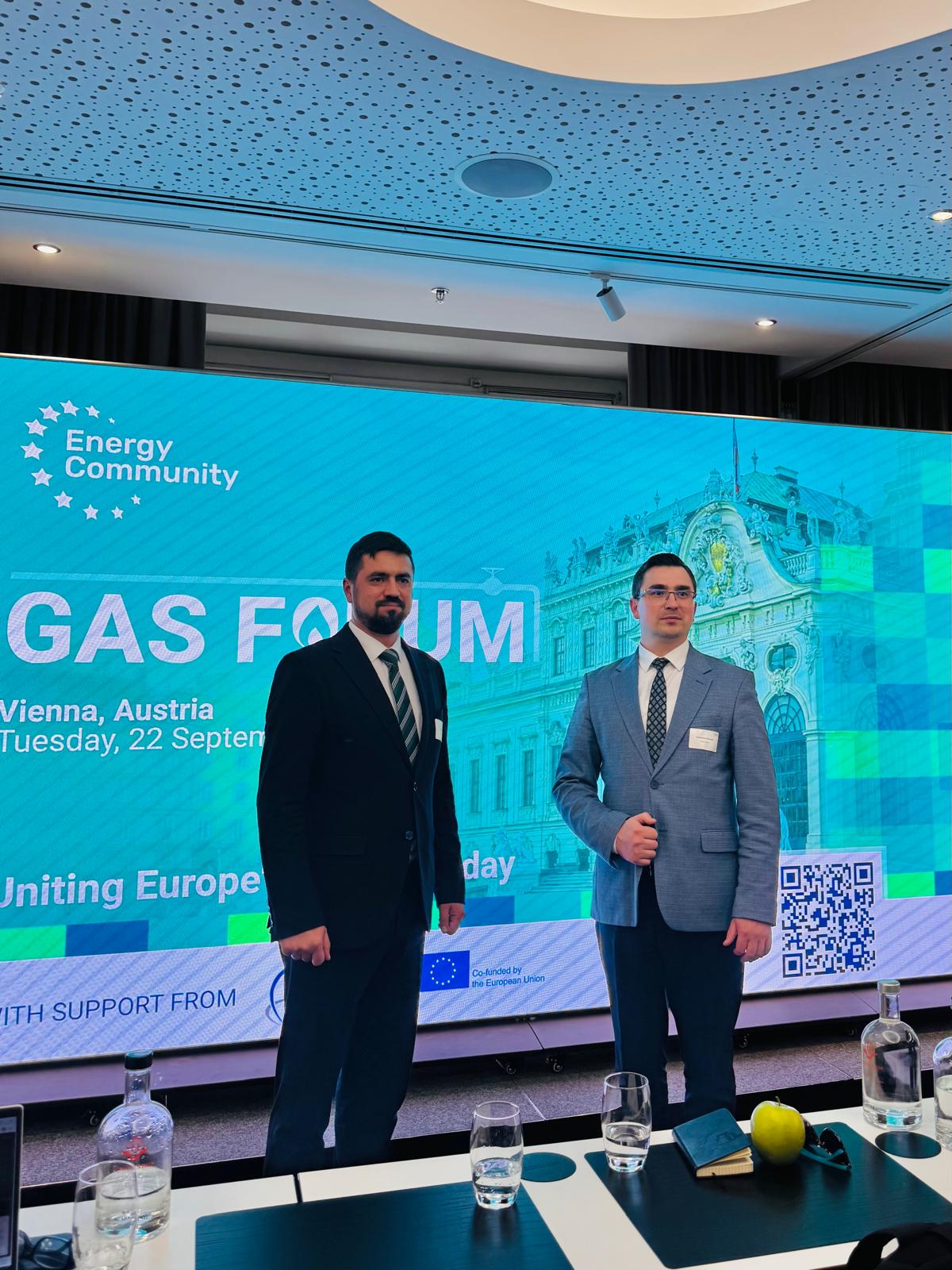
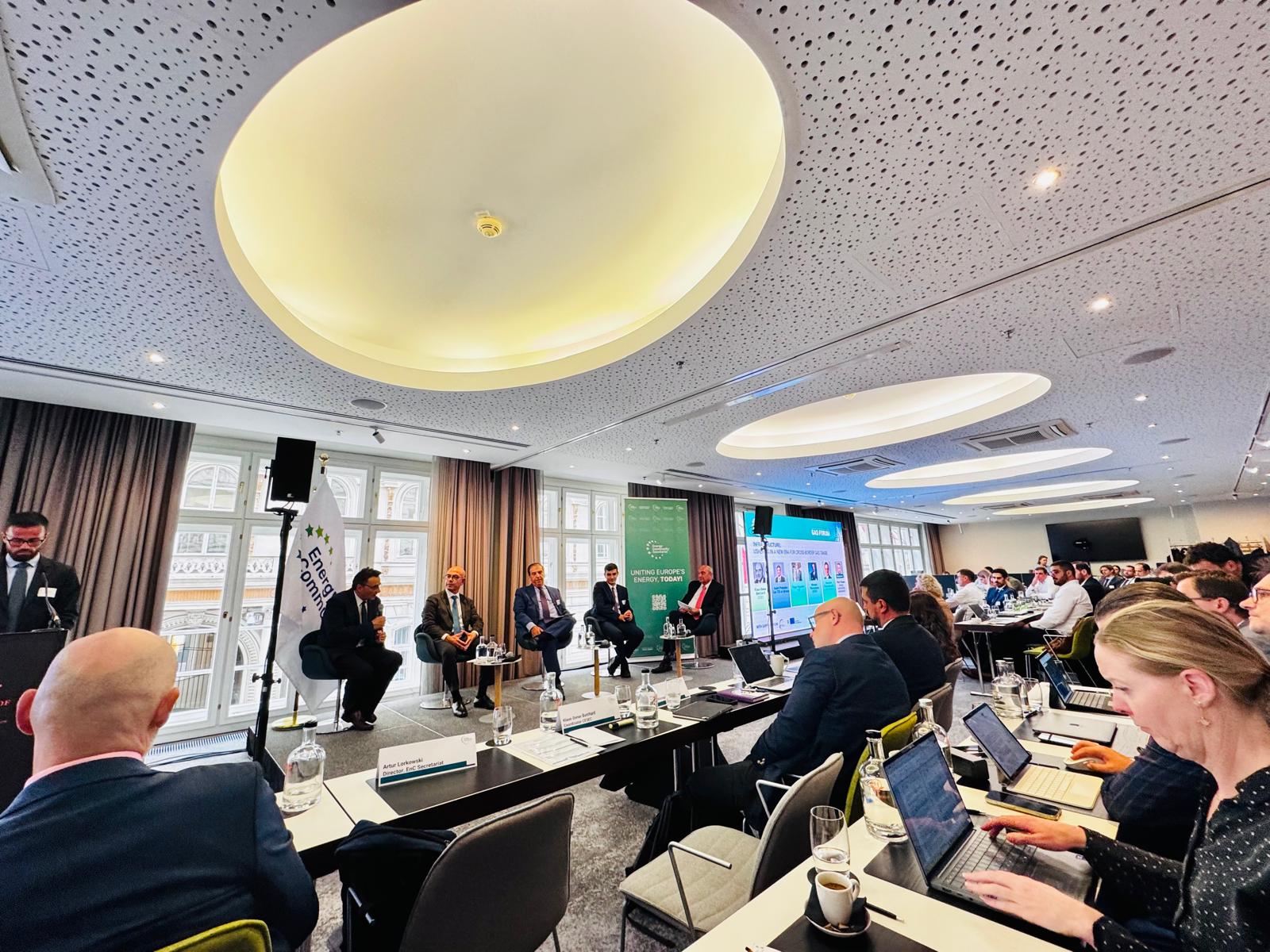
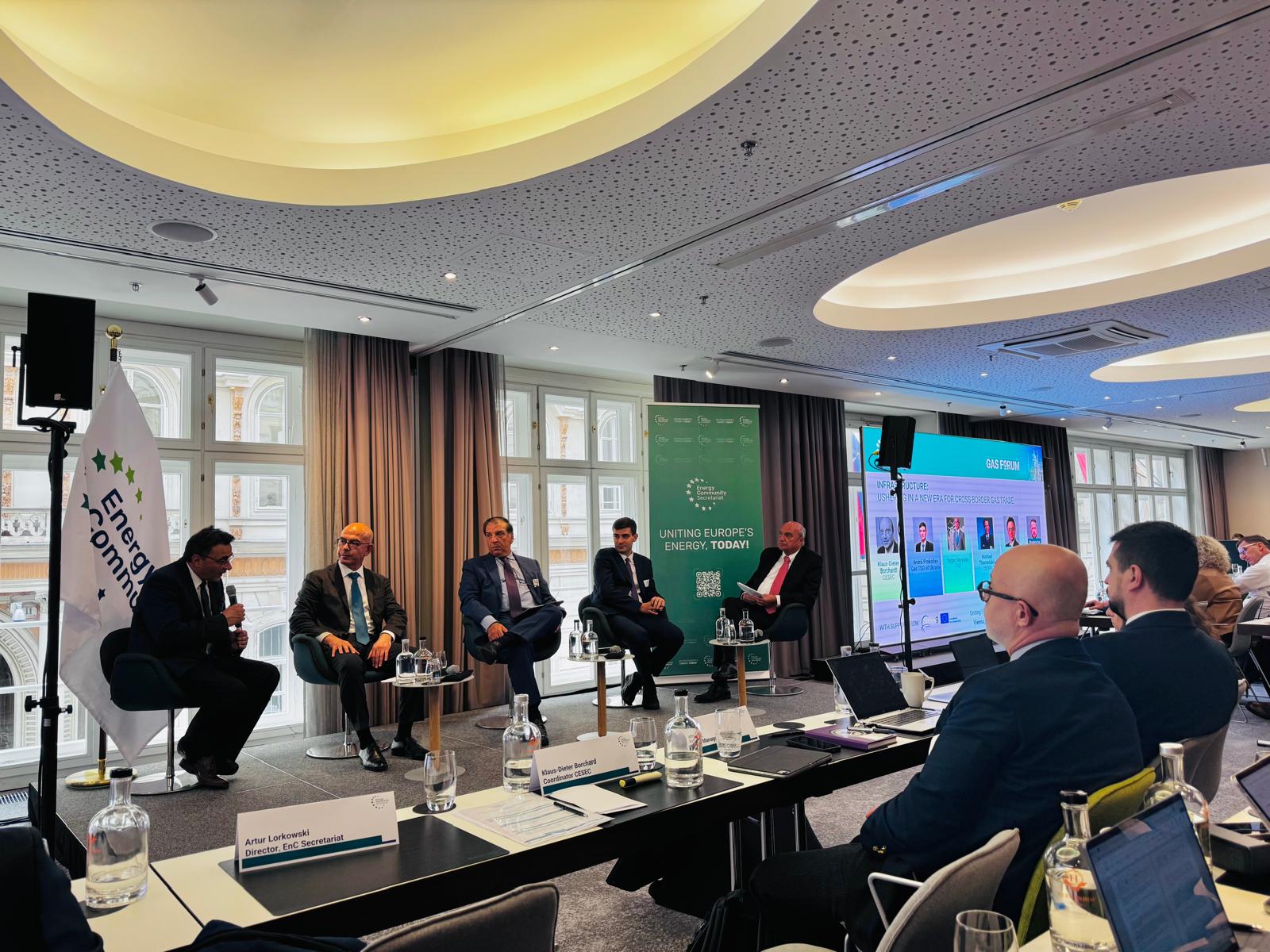
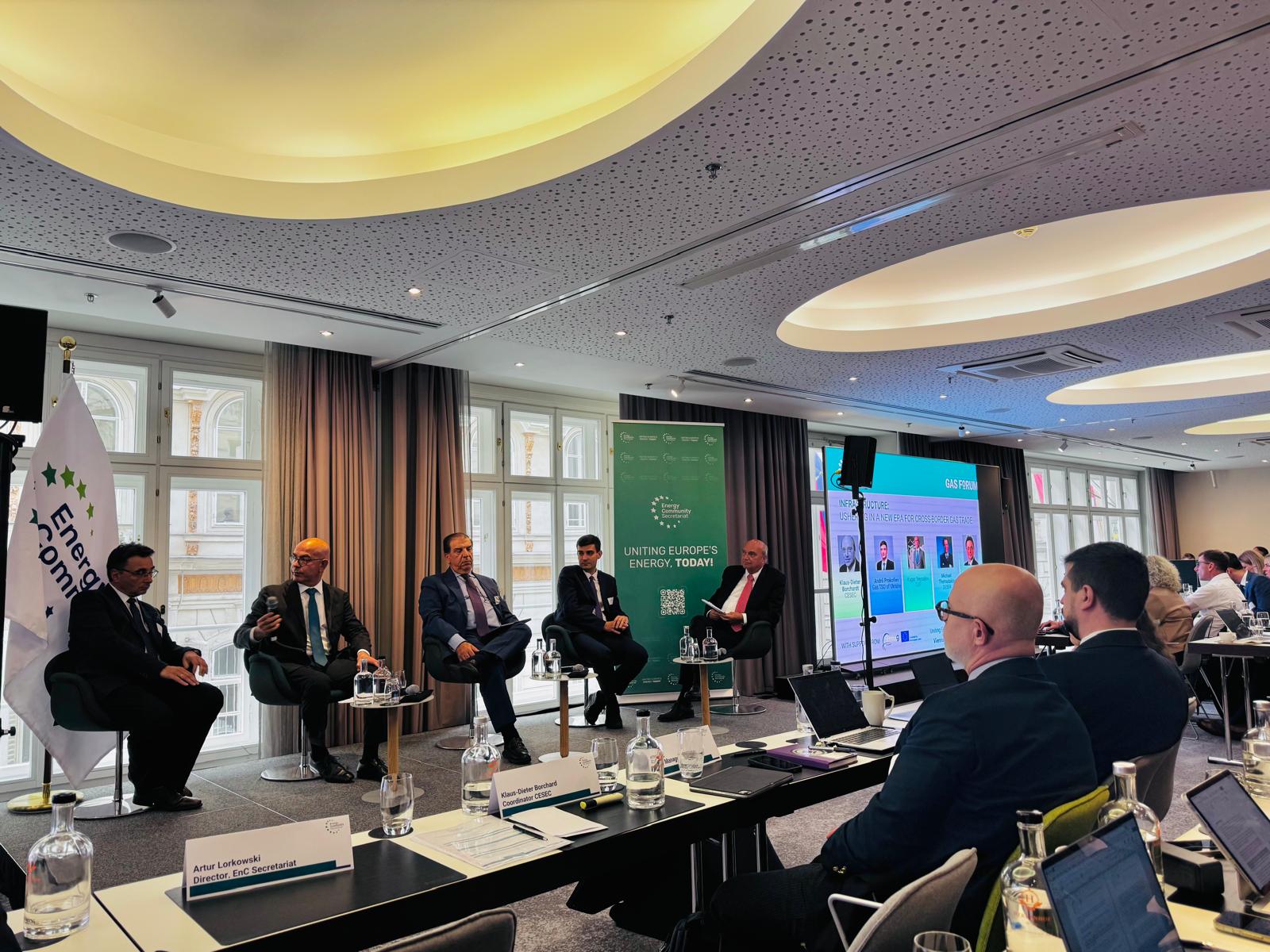
The strengthening of energy security, the integration of natural gas markets, the diversification of supply sources and routes, as well as the development of regional infrastructure were the main topics discussed at the 21st edition of the Energy Community Gas Forum, held in Vienna, Austria, with the participation of Vitalie Mîța, State Secretary of the Ministry of Energy.
The Forum brought together representatives of relevant ministries, regulatory authorities, transmission system operators, European institutions and international organisations, providing a platform to discuss developments in the regional natural gas market and measures needed to strengthen energy security and resilience.
One of the main conclusions of the Forum was that the efficient cross-border transportation of natural gas, based on common and predictable market rules, is essential for reducing market fragmentation and strengthening energy security.
The European Union Member States and Contracting Parties of the Energy Community were encouraged to accelerate the alignment and implementation of European rules, particularly those related to harmonised capacity allocation.
An important message of the Forum concerned the progress made in reforming national natural gas markets. Moldova’s progress in reforming its natural gas market was highlighted alongside Serbia and North Macedonia.
“The Energy Community Gas Forum is taking place at a time of turbulence in international natural gas markets, on the eve of a cold season that is expected to be challenging not only for the Republic of Moldova. The Forum therefore provided an opportunity to address, together with our European partners, the developments and challenges affecting the security of natural gas supply. The dialogue within the Forum is also relevant in the context of our objectives to strengthen energy security, diversify supply sources and routes, and integrate into the European energy market,” said State Secretary of the Ministry of Energy Vitalie Mîța.
Another important topic discussed at the Forum was the expanded use of the Trans-Balkan gas pipeline, with participants highlighting progress in the operation and development of this strategic infrastructure.
Participants also underlined the potential of the Trans-Balkan gas pipeline to contribute to the diversification of natural gas supplies, strengthen regional connectivity and improve access to gas markets, including for the Republic of Moldova and Ukraine.
Forum participants welcomed the progress made by the Energy Community Contracting Parties under REPowerEU, particularly in reducing and phasing out dependence on Russian gas, and stressed the importance of aligning the Energy Community framework with European objectives.
In this context, the European Commission was invited to advance the process of transposing REPowerEU measures, adapted to the specific circumstances of the Energy Community Contracting Parties, with the support of the Secretariat.
The Forum agenda also included discussions on the impact of geopolitical developments on the European natural gas market and liquefied natural gas (LNG) supplies, the further integration of gas markets and the development of regional infrastructure.
Participants also focused on reducing methane emissions, considered an important element in developing a more sustainable and resilient natural gas sector, in line with decarbonisation and climate action objectives.
At the same time, participants stressed the need for a clear regulatory framework regarding methane emission requirements affecting gas imports and cross-border trade.
Images