A School Heated with Pellets and Bills Four Times Lower: An Energy Efficiency Lesson from Bălțata
- 323 reads


In Bălțata commune, Criuleni district, a community of around 2,000 people, history and the future meet in the courtyard of the local school. Founded at the beginning of the last century by Ukrainian families who came from western Ukraine, the community continues to grow and attract new residents, while the school remains at the heart of community life.
More than 180 children study here, including nine refugees from Ukraine. More than half of the students travel to school every day on one of the two school buses serving the villages in the commune.
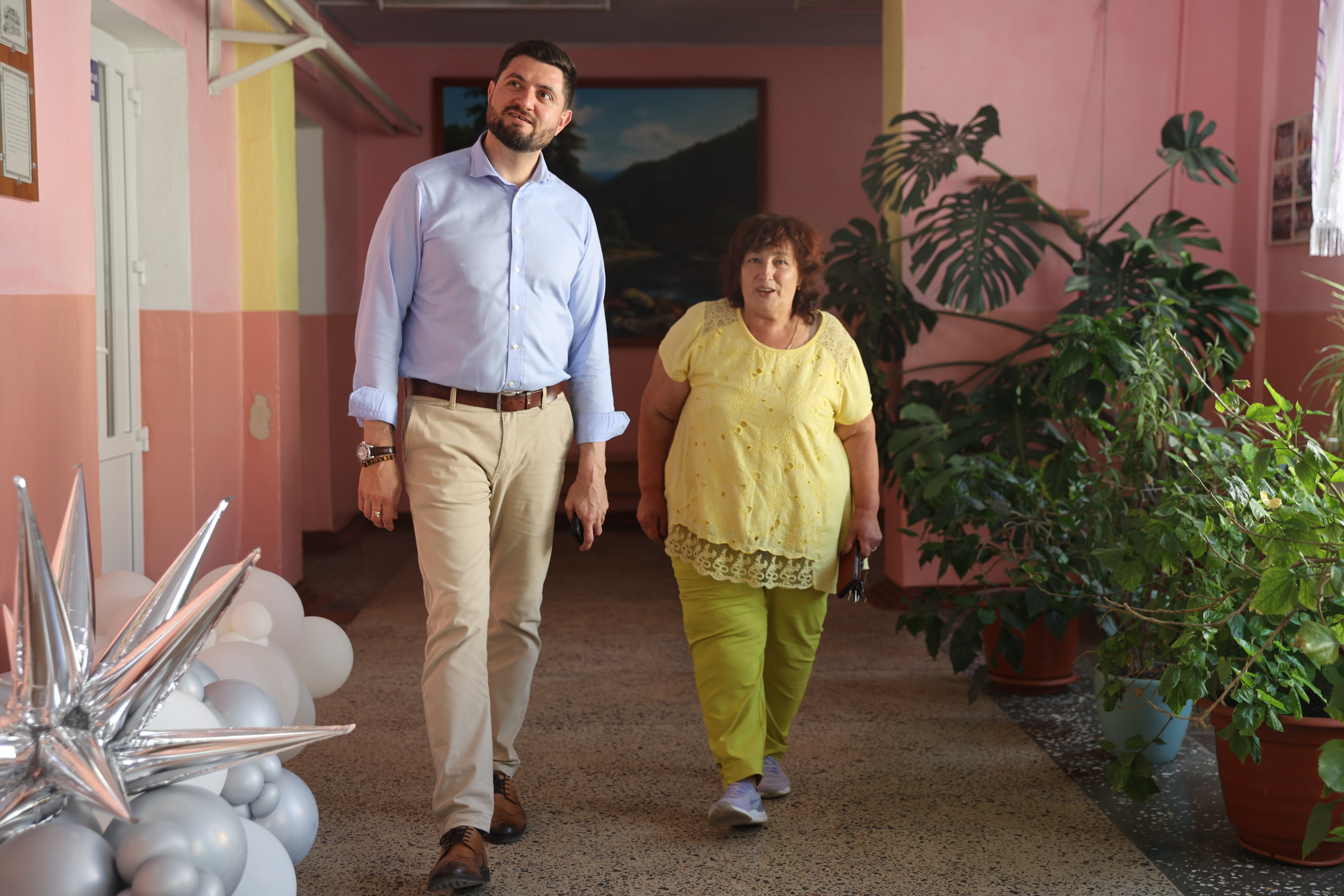
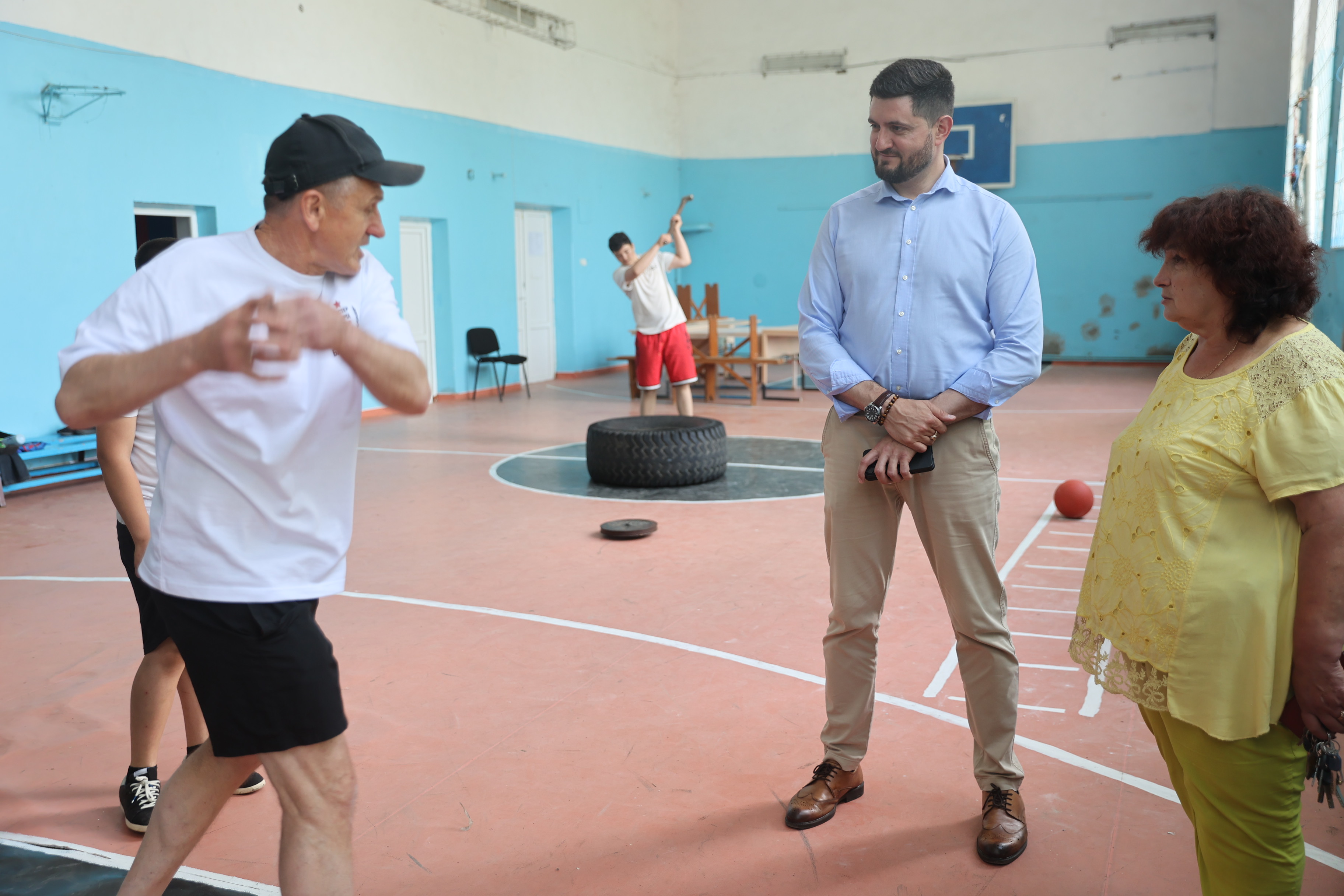
Minister of Energy Dorin Junghietu visited the Bălțata school today to see firsthand a project demonstrating that energy efficiency is not an abstract concept, but a practical solution that directly improves learning conditions for children while reducing public expenditure.
More than a decade ago, the school was heated with natural gas. Costs were so high that the administration had to make savings on every square metre that was heated.
“We did not have enough money to heat the gym, corridors and all the rooms in the school. The children had to go outside into the cold, and the temperature in the classrooms was not always comfortable either,” recalls Galina Todoriuc, Principal of Bălțata School.
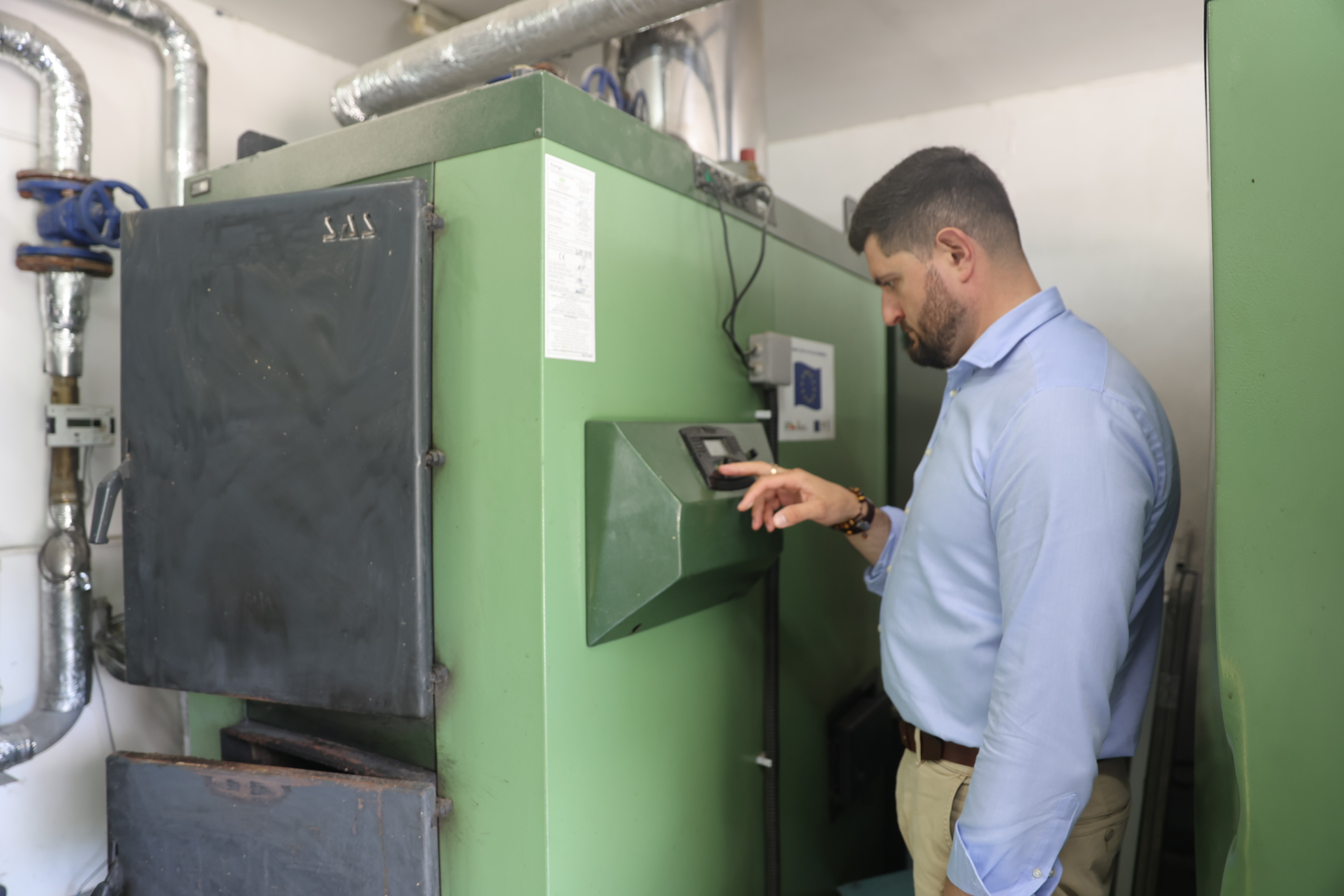
In 2011, the local authorities applied to the Energy and Biomass Programme, financed by the European Union and implemented by UNDP Moldova. As a result, a 220 kW pellet-fired heating plant was installed, providing heating for the entire school building, which covers more than 2,000 square metres.
The results are still visible today. Initially, heating costs per season were around 40% lower than they would have been with natural gas. Today, they are nearly four times lower. The school consumes around 40 tonnes of pellets per season, purchased from a producer in the village of Izbiște. To secure better prices, fuel for the following winter is purchased as early as April and May, as was the case this year.
“Bălțata is a very good example of how investments in energy efficiency and the use of local resources can reduce costs for communities and create better conditions for children. Every leu saved on energy bills can be invested in education, infrastructure or other local needs. At the same time, locally produced energy resources, rather than imported ones, generate income for local businesses, as well as salaries and tax revenues,” said Minister of Energy Dorin Junghietu.
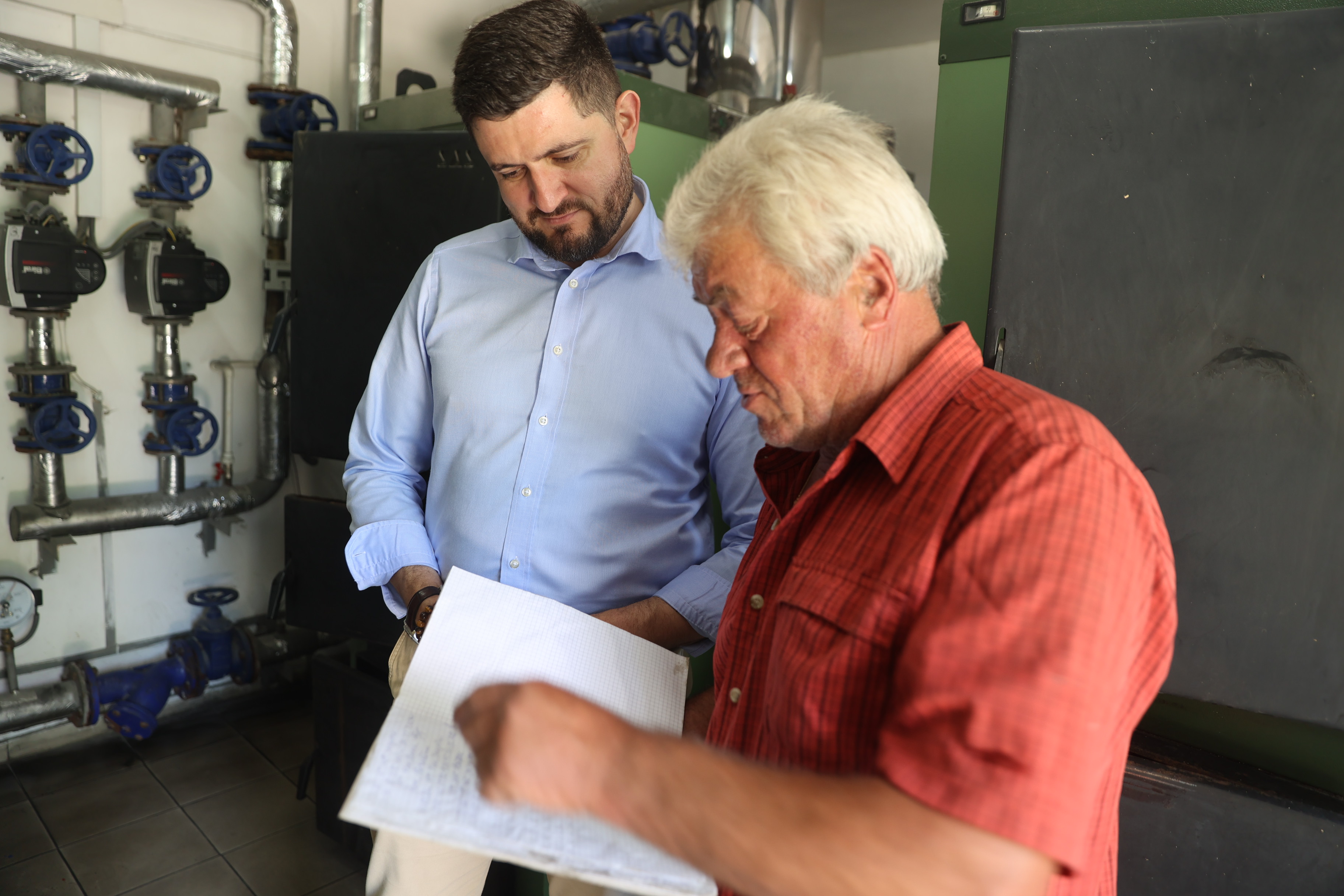
The project’s efficiency is not limited to changing the energy source. The school building was thermally insulated, while its windows and doors were replaced, significantly reducing heat losses. In addition, the heating plant is continuously monitored through sensors that track the system’s operation and indoor temperatures.
The school administration also keeps the old gas-fired heating plant as a backup for exceptional situations. It was used for just one night last year, when the pellet supply was temporarily exhausted. The experience confirmed the advantages of the new system: the cost of one day of gas heating was almost twice as high as heating with pellets.
For a school whose funding is based on the number of students, cost control is essential. While some educational institutions across the country spend more than MDL 600,000 on heating during the cold season, the savings achieved in Bălțata allow resources to be redirected towards educational activities and improving conditions for students.
Images