Moldova’s experience in achieving the energy transition, launching energy efficiency programs, and promoting renewable energy sources is being showcased as an example at the Energy Knowledge Forum—a platform launched for the first time by the World Bank in Antalya, Turkey. The forum brings together officials from executive institutions, experts, and project implementers in energy efficiency and renewables from Central and Eastern Europe to Central Asia.
The Republic of Moldova was represented at the event by Carolina Novac, State Secretary at the Ministry of Energy, alongside the directors of CNED, S.A. Moldelectrica, and ANRE. She participated in a panel discussion alongside representatives of the Ministry of Energy and Natural Resources of Turkey, the Ministry of Energy Efficiency, Climate Change, Energy, and Mining of Serbia, and the International Finance Corporation.
Carolina Novac presented Moldova’s key reforms in the energy sector and the launch of energy efficiency programs in both the residential and public sectors—initiatives that began as a response to the energy crisis but are expected to have long-term impacts on household energy bills, the country’s energy security, and climate objectives.
As part of the Integrated National Energy and Climate Plan, Moldova has committed to reducing energy consumption by 0.8% annually, improving energy efficiency in 0.8% of the country’s building surface area each year, and renovating 3% of the total floor area of buildings used by central public administration authorities annually.
Last year, CNED launched the Residential Energy Efficiency Fund (FEERM), which plans to renovate over half a million square meters of housing. Investments made through FEERM are expected to generate cumulative energy savings of at least 14,400 tonnes of oil equivalent between 2024 and 2026, allowing households to reduce their energy costs during this period by at least 120 million lei.
Termoelectrica is implementing a program to install Individual Thermal Points (PTIs) in 88% of buildings connected to the centralized heating system, and 60% of buildings in Chișinău will transition to horizontal distribution of thermal energy.
Additionally, several programs have been launched in the public sector to modernize the energy performance of public buildings, including dozens of hospitals, schools, and other educational institutions.
The World Bank’s Knowledge Bank initiative focuses on ensuring that the best global knowledge drives development, scales impactful solutions, and shapes global conversations. The aim is to enable development practitioners to learn from the practical experiences of others—particularly those who have faced similar challenges or are working toward similar development goals. The sessions also emphasize the importance of integrating knowledge into decision-making processes and scaling up successful initiatives.
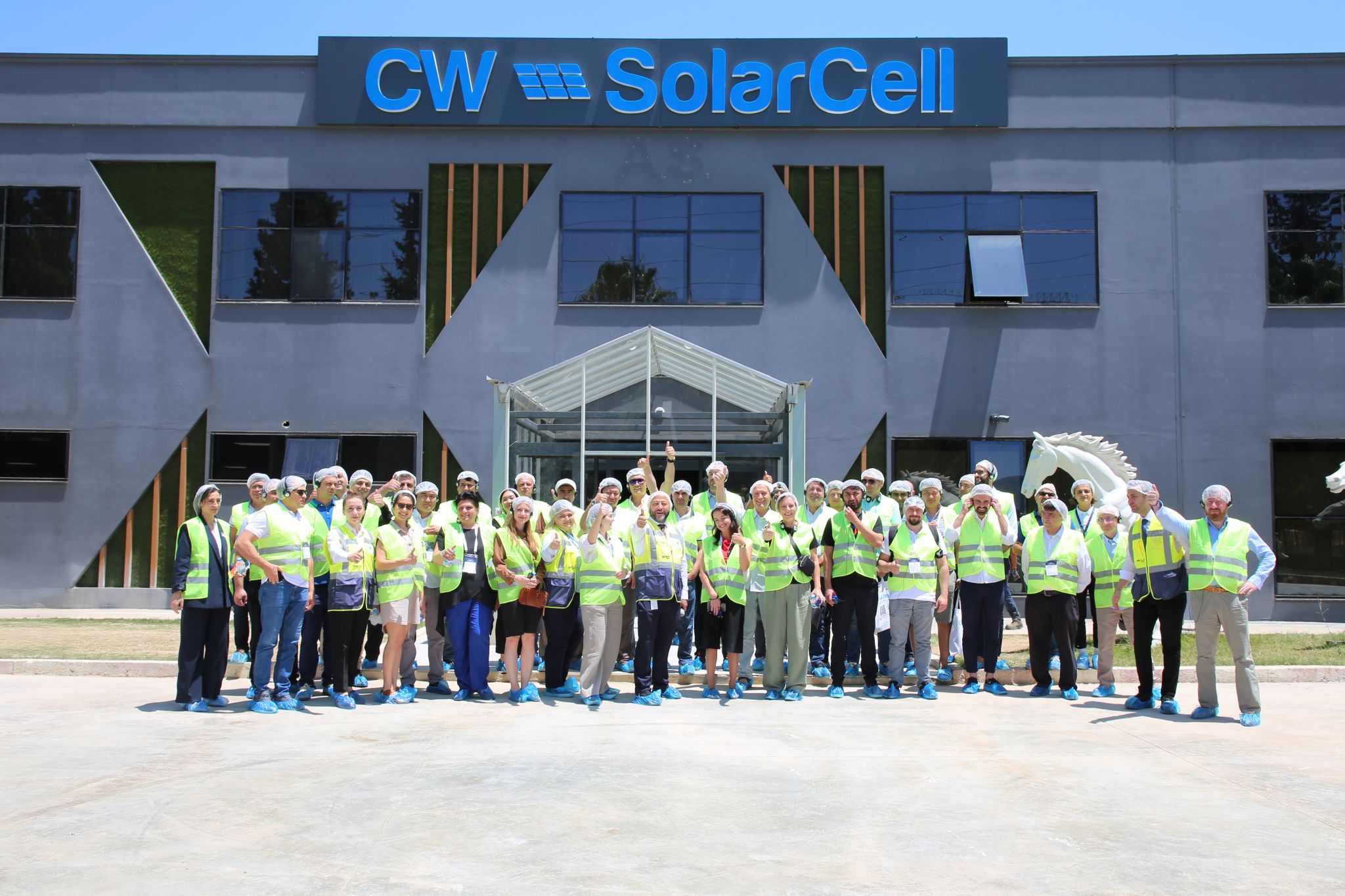
As part of the visit, Carolina Novac also toured a photovoltaic panel and energy storage battery manufacturing plant operated by CW Enerji, which runs seven similar facilities in other countries. The plant has an annual production capacity of 1.8 GW of solar panels. This visit provided a direct opportunity to learn more about Turkey’s industrial policies that support clean technology production, workforce development, and the expansion of investments. These investments have helped Turkey reduce its reliance on imported photovoltaics and create new jobs.