Moldovan-Norwegian energy and climate cooperation discussed in Bucharest
- 516 reads
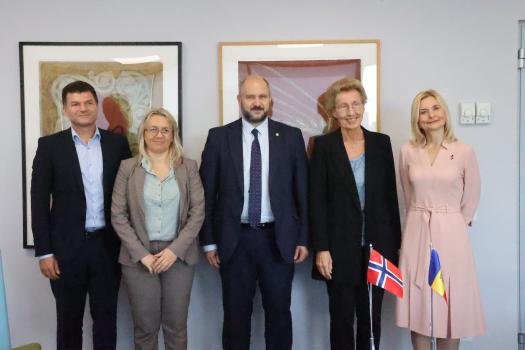
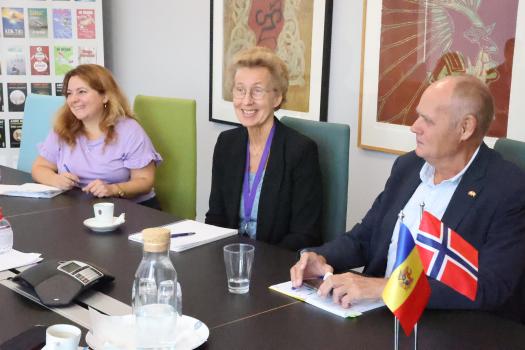
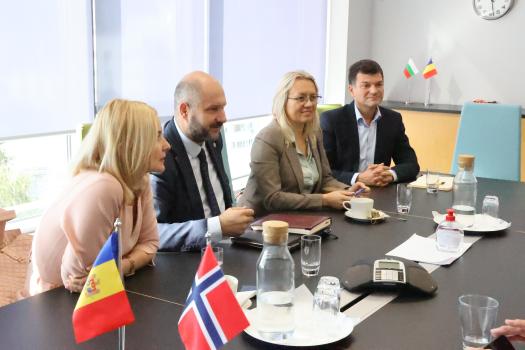
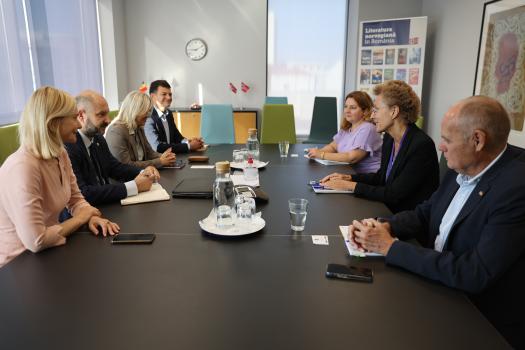
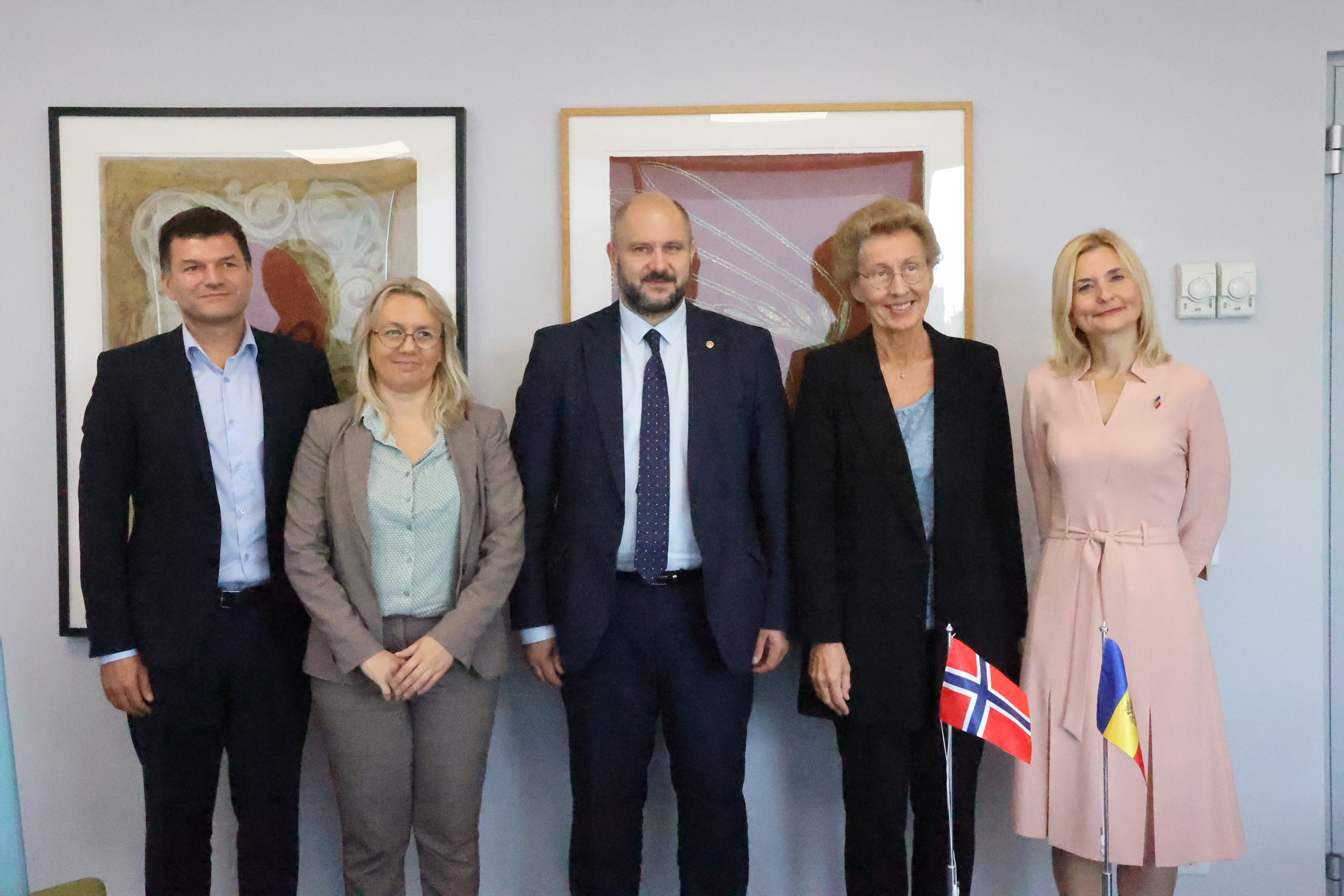
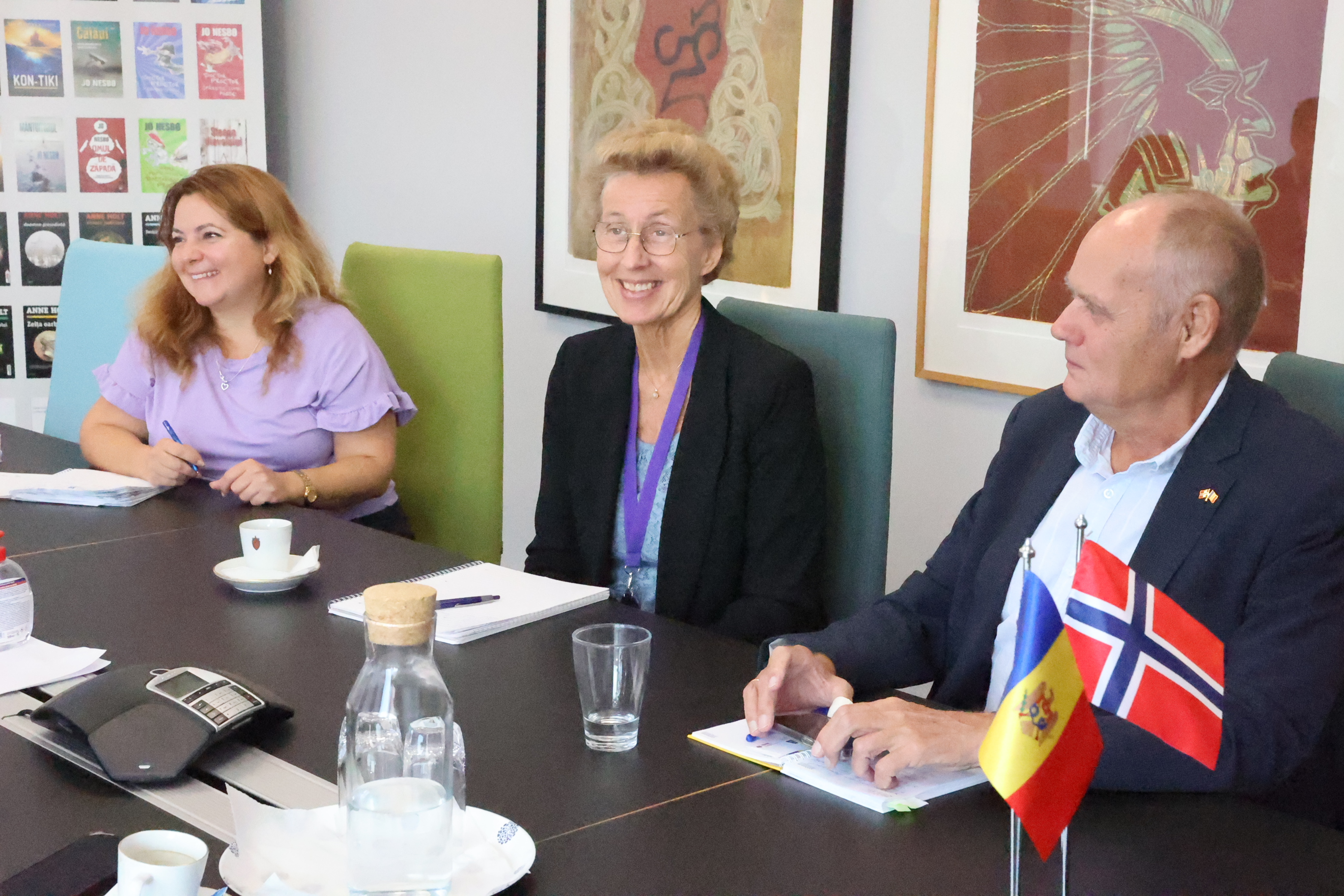
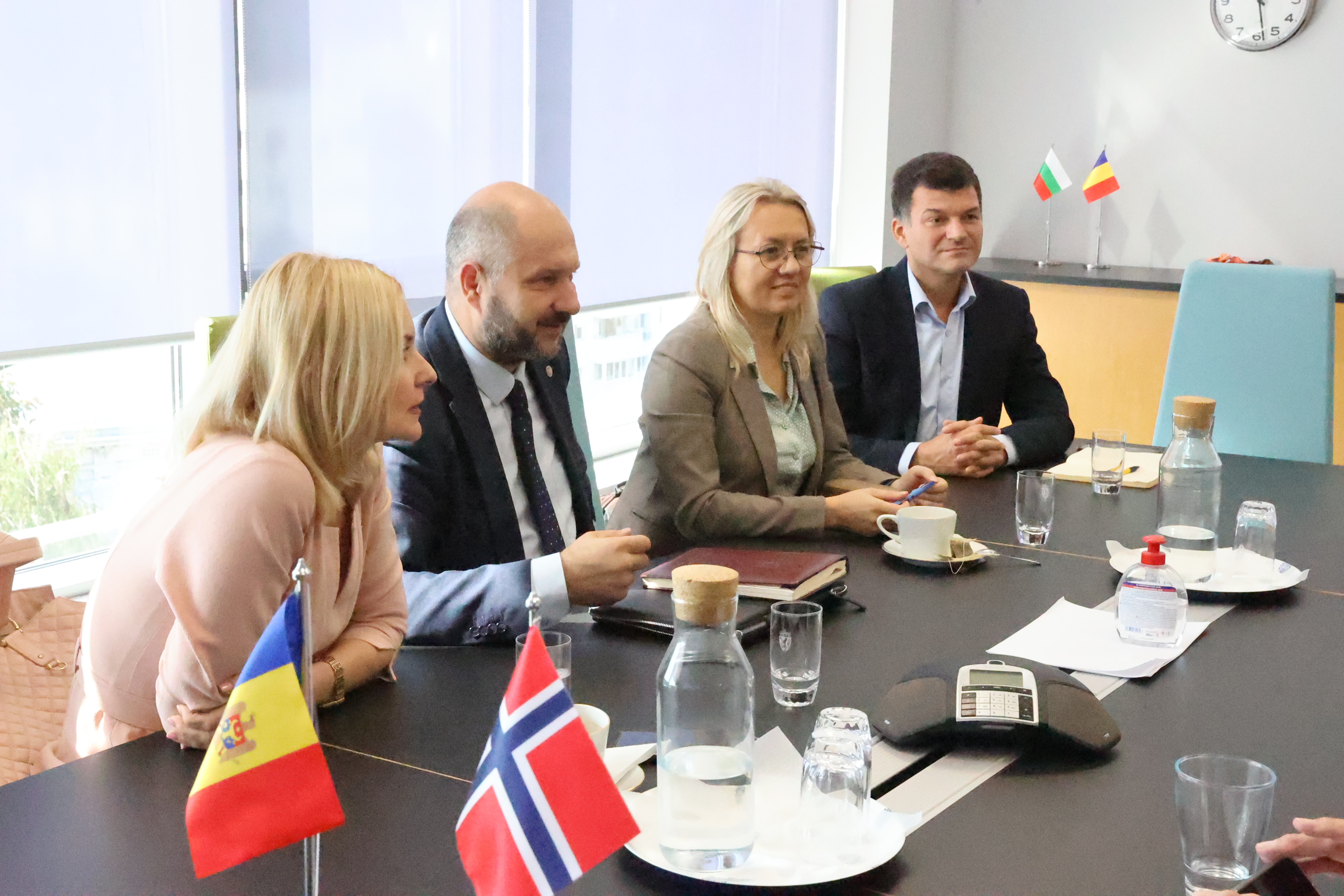
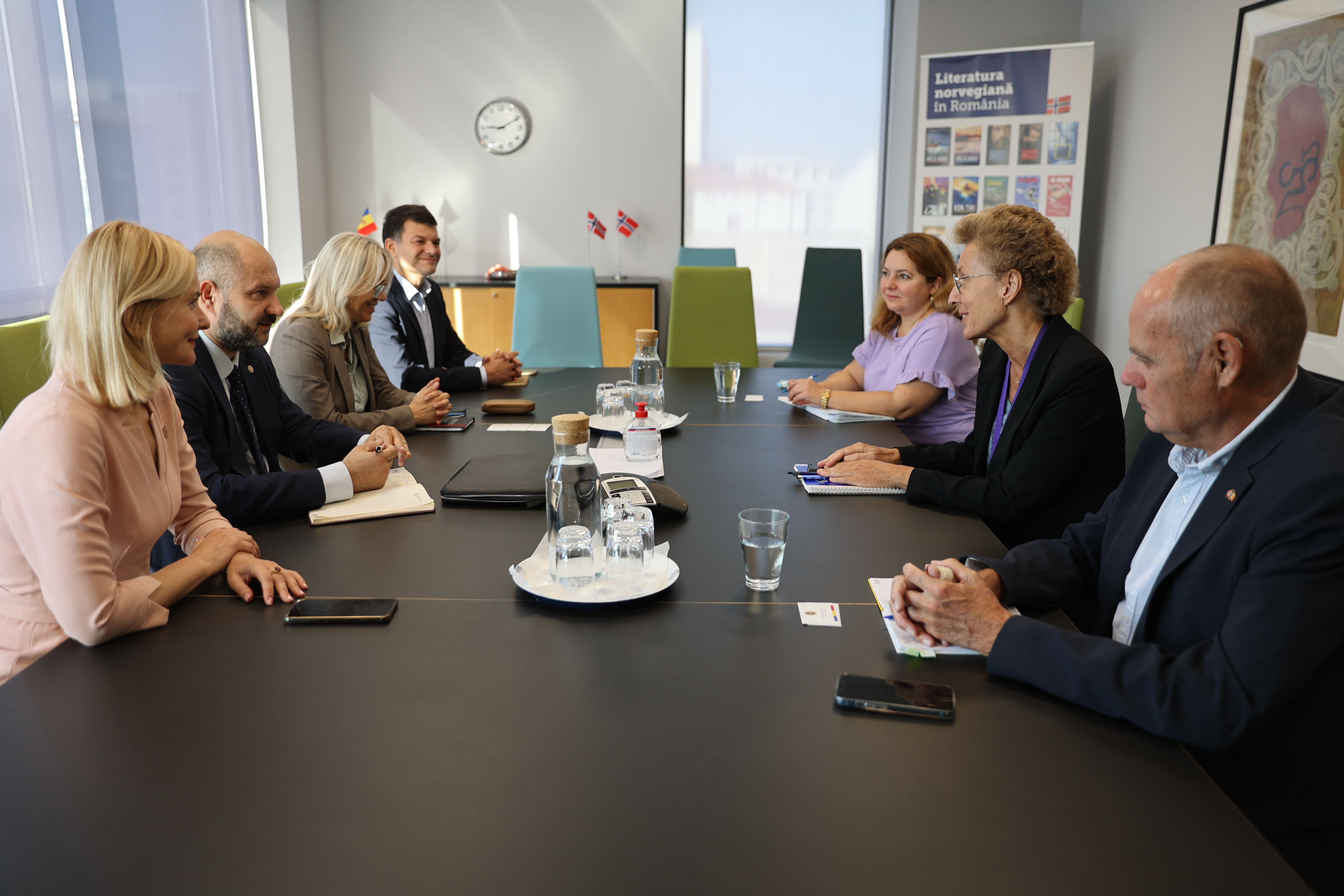
The financing of the Energy Efficiency Fund, the afforestation program and Norway's experience in the operation of electric cars were the topics discussed by Energy Minister Victor Parlicov, and the Vice-Chair of the Parliamentary Committee for the Environment, Ina Coșeriu, and Presidential Advisor Iuliana Cantaragiu, with the Norwegian Ambassador to Romania, Republic of Moldova and Bulgaria, Siri Bari.
Mr. Parlicov thanked for the support already provided by Norway, which has allocated a grant of 500 million kroner to supplement the resources provided for gas procurement by the European Bank for Reconstruction and Development. The Energy Minister described the mechanism for financing energy efficiency works for households, inviting Norway to participate in its financing.
The Energy Minister also expressed his interest in Norway's successful experience in developing infrastructure for electric cars. "We want every electric car and household to be an active participant in the energy market, so that it can be powered when energy tariffs are lower, store energy and power the home or deliver to the grid during the off-peak hours when tariffs are higher," said Victor Parlicov.
Another topic was the afforestation program of the Republic of Moldova, launched this year, which foresees the planting of 150 thousand hectares of forests in 10 years. This will help decarbonize the country and improve access to water resources.
The Ambassador of Norway, Siri Bari, welcomed the positive developments in the energy sector in the Republic of Moldova, which has managed to make reforms in times of crisis. She underlined the attention given to the Republic of Moldova, including through the additional staff dedicated to our country both at the level of the Ministry of Foreign Affairs and the Embassy.
The diplomat appreciated Chisinau's signing of the EFTA agreement, which offers more opportunities for Moldovan entrepreneurs related to the expansion of export markets, as well as a potential for investment from these countries in the Republic of Moldova. EFTA was established in 1960 with the signing of the Stockholm Convention. The initial aim of this organization was to eliminate customs duties on industrial products in trade between member states.
Images