Heating sector to integrate renewable energy sources within a few years
- 482 reads


An efficient centralized heating system must produce, by 2030, more than 75% of its thermal energy on a cogeneration basis, i.e. electricity and heat simultaneously, or at least 50% of its thermal energy must come from renewable energy sources. These are provisions contained in European directives, which the Republic of Moldova has transposed.
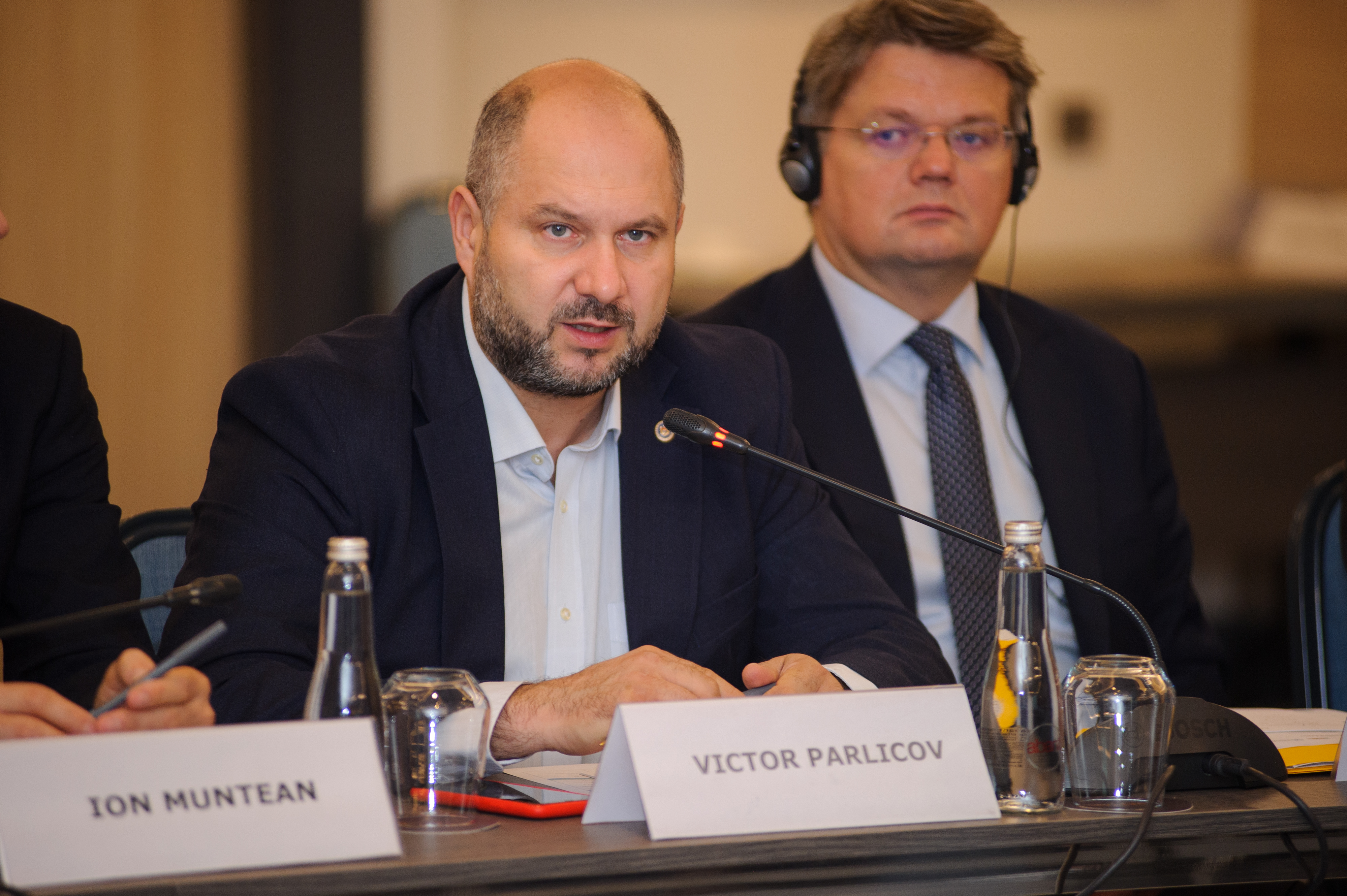
The Energy Ministry, together with the International Renewable Energy Agency (IRENA) and the Energy Community Secretariat organized a workshop on Thursday, November 9, which discussed solutions for heating homes and offices in the context of the decarbonization agenda and achieving zero climate neutrality before 2050, which is the deadline proposed in the EU. The heating plants in European countries already integrate solutions such as waste processing, biomass-based plants, biofuel, storage of hot water heated by the sun in summer and so on. Moldova is also taking the first steps in this direction, in Balti and Chisinau, said Energy Minister Victor Parlicov, who called on the experts of the two international organizations to contribute their experience and solutions in other countries to help formulate a vision of how the country's thermal energy system should be transformed to be efficient, environmentally friendly and to ensure a high level of consumer comfort.
"Traditionally, more than 40% of all the gas we import is consumed in centralized heating systems, but there is relatively little talk about this sector. We still have plants that burn gas directly, an inefficient technology. Our main goal is to focus on decarbonization, which in the long term will help us to integrate more renewable energy, which will ultimately reduce costs," said Minister Victor Parlicov.
The director of CET Nord, Marian Brânză, spoke about the solar collectors and the stored hot water tank (or thermal energy accumulator), which he plans to implement in Balti. This solution would cover about 9% of the heat load, and in the summer months - up to 90%. He added that the estimated payback period will be about 4 years.
The Director of the Energy Community Secretariat, Artur Lorkovski, said that the institution he represents will continue to assist the Republic of Moldova in the development of the legal and regulatory framework. But he recalled that decarbonization also requires the energy sector to reduce the volumes of greenhouse gases emitted into the atmosphere.
Images